
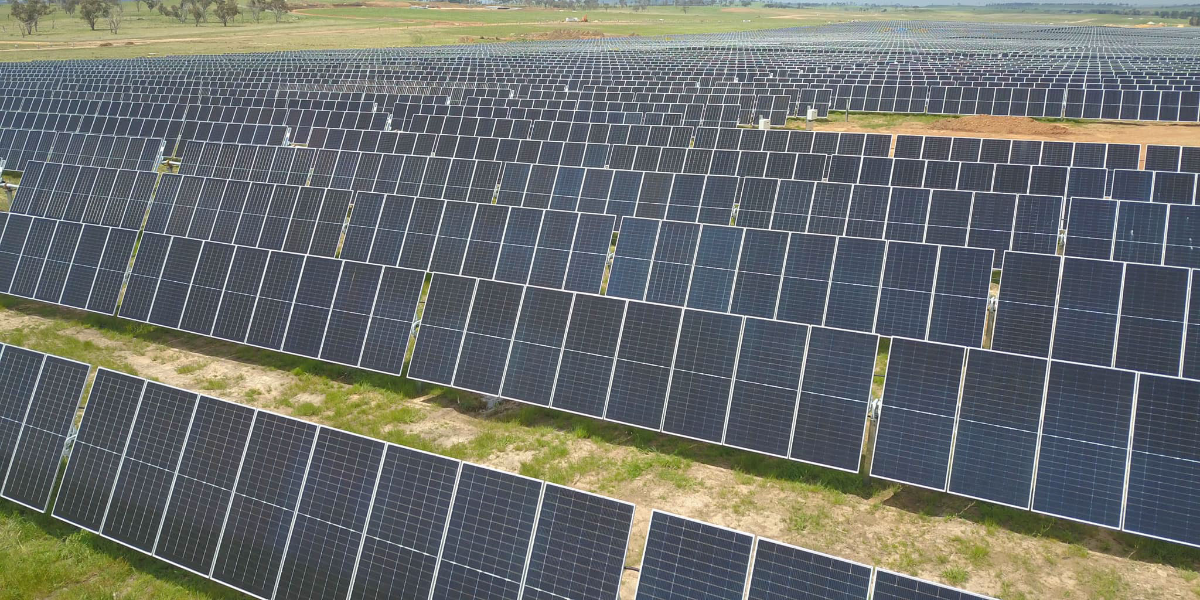

Glen Innes Severn Council is pushing for a fairer funding model to share New England Renewable Energy Zone benefits across communities.
Energy
Posted inEnergy, Grants and funding, Weemelah
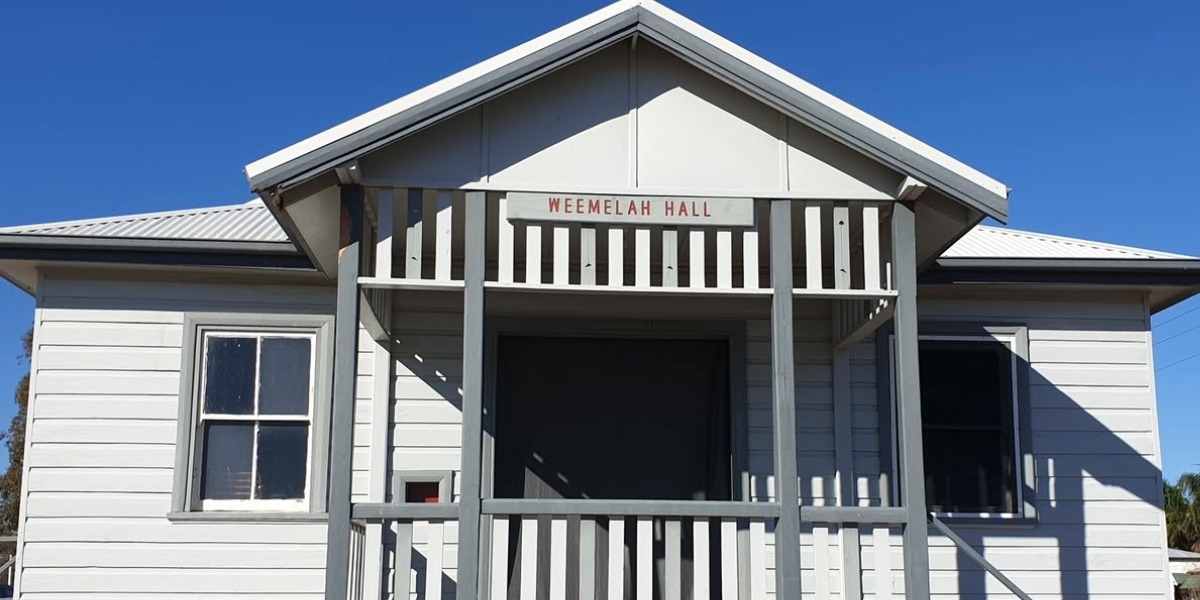
Weemelah Hall to go solar with grant win

A solar upgrade for the Weemelah Hall is among 20 NSW projects sharing $290,986 in grants, with Glen Innes and Wee Waa also benefiting.
Posted inArmidale, Energy, Regional Development, Youth
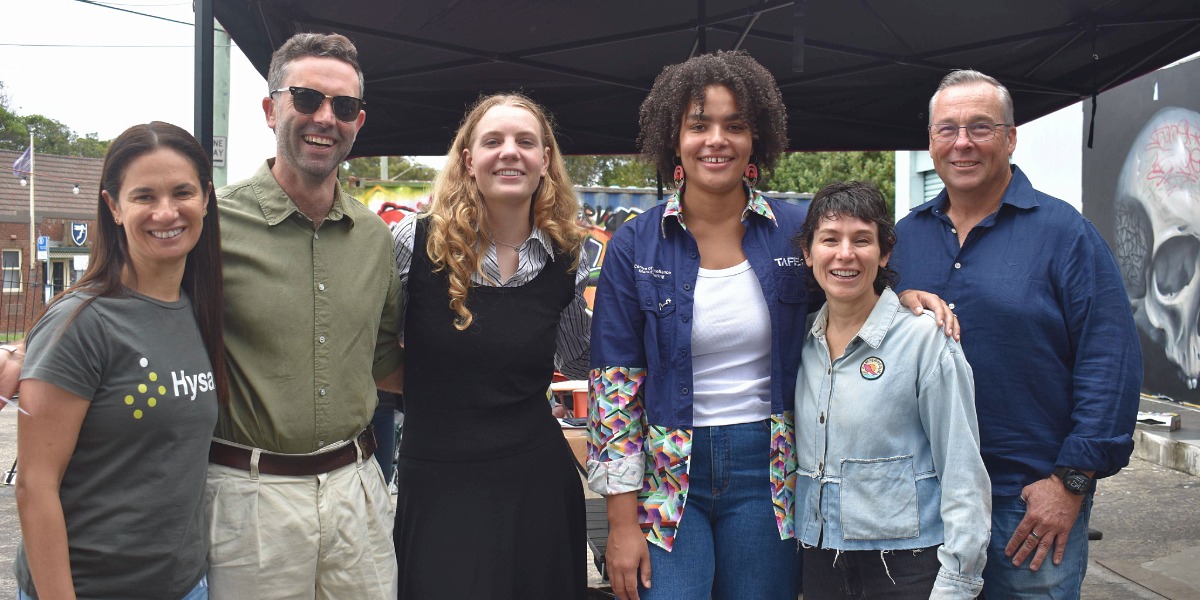
Free event links locals to clean energy jobs
There’s lots of jobs in the energy transition – and a a free Armidale event next month aims to link young locals to renewable energy careers.

Posted inEnergy, Glen Innes, What's on
Glen Innes energy evening to help locals cut power bills

Want to cut your power bill? Glen Innes locals can get free, practical energy advice from farmers, a professor and energy experts next month.

Posted inEnergy, Technology, Uralla
Uralla farmer leads charge as new guide maps out electrification options for regional business
Uralla producer Justin Hoad has already made the switch. Now a new guide is helping others follow his lead to electrify and save.
Posted inBusiness, Energy, NSW News
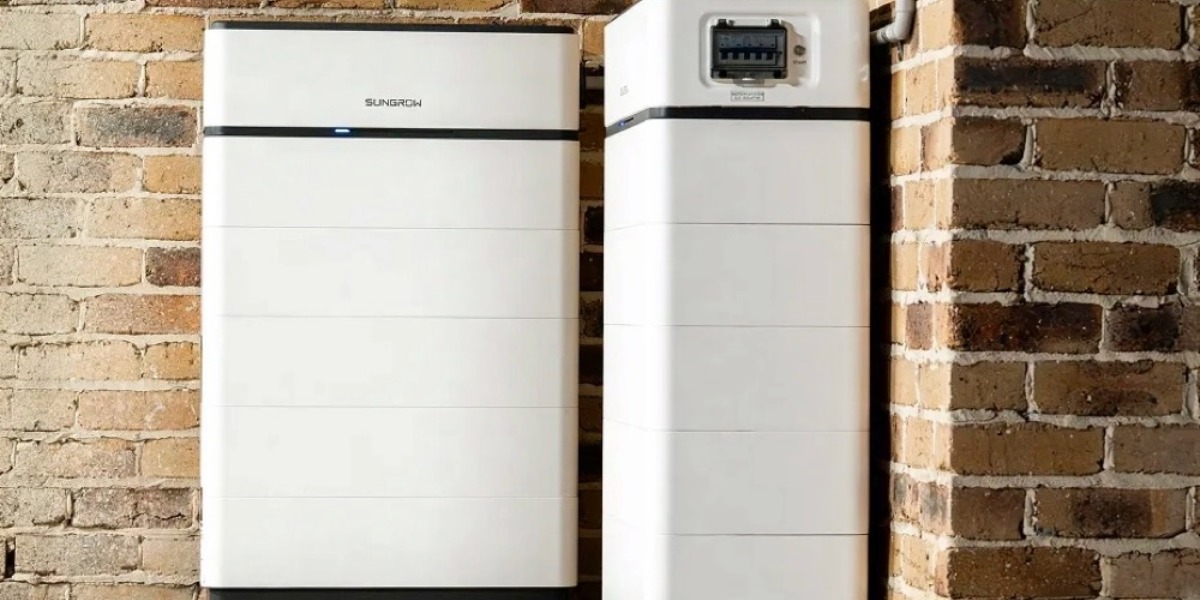
New battery discounts welcomed, but farmers want more
Batteries just got cheaper for NSW businesses and farms, but Farmers for Climate Action says the savings won’t count for much without a fix for the regional grid.

Posted inEnergy, NSW News
Data centres forced to pay their own way under reforms

Fast-tracked data centres will have to comply with standards on water and energy that the state government says are needed to protect local communities.
Posted inArmidale, Energy, Local politics and councils, Long Read, NSW Politics, Regional Development, Water
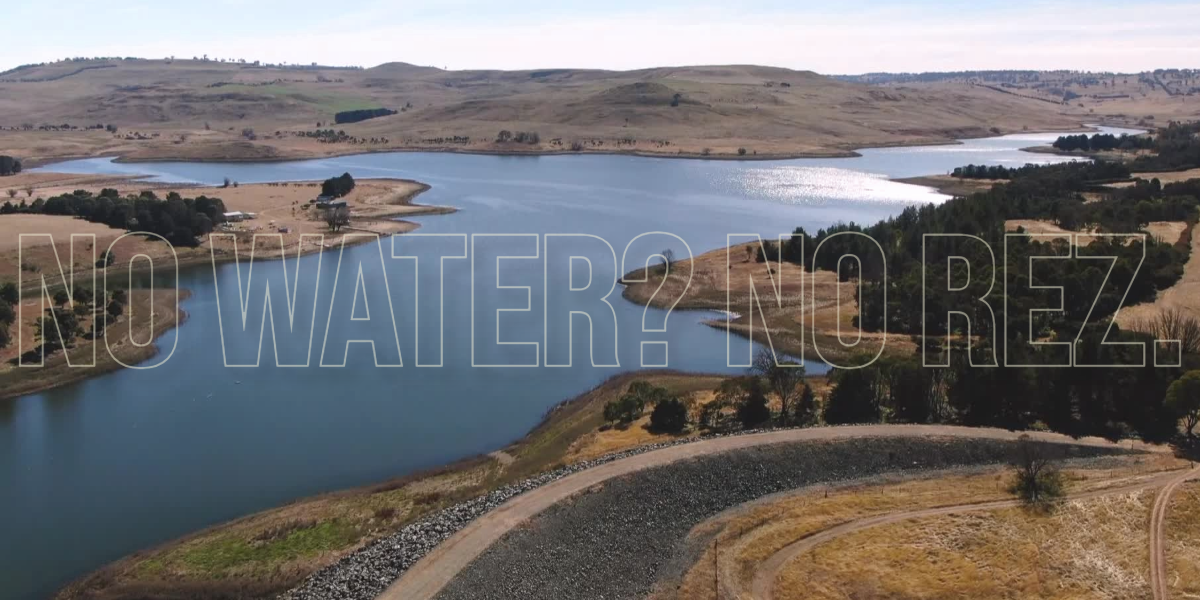
No water, no REZ: how Armidale is using the REZ as leverage to fix a decade-old problem
WEEKEND LONG READ: There’s an $800m price tag on getting water security for Armidale and Uralla, and ratepayers don’t have it Now the state wants a $24 billion energy zone built here, and Mayor Sam Coupland is using that need as leverage: no water, no REZ.
Posted inEnergy, Uralla
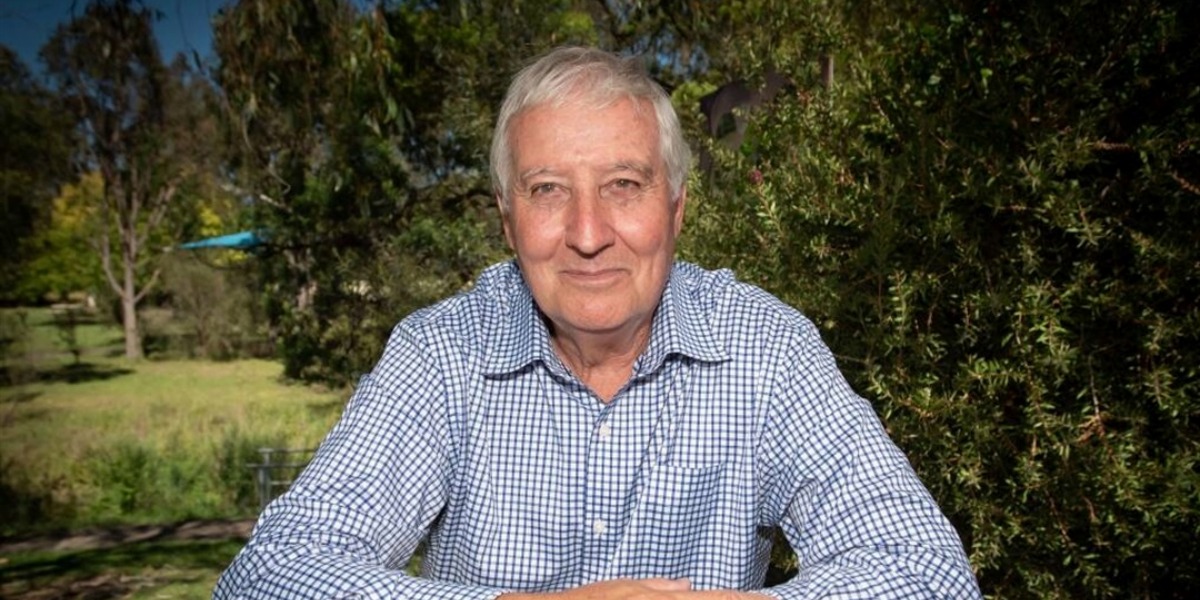
Uralla council calls for stronger local voice in REZ rollout
Uralla Shire Council says it backs the New England renewable zone, but wants a real seat at the table before more substations and transmission lines are locked into law.
Posted inEnergy, Grants and funding, National News, Uralla
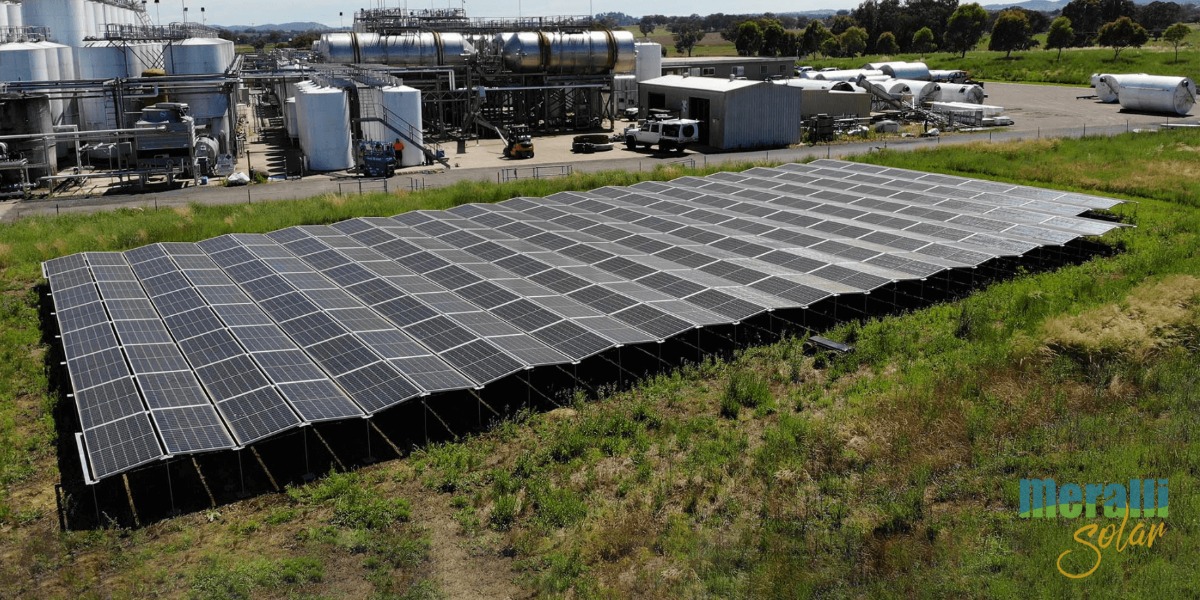
Expanded solar rebate welcomed, batteries are the next step
In a flurry of announcements and changes in the renewable space announced this week are a number of big wins for mid-scale solar projects, including an expanded solar rebate scheme and $100m in concessional funding.