

Women in our region are substantially more likely to come into contact with child protection services than women in the cities, and new research warns that fear of those services may be stopping pregnant women from getting the health care they and their babies need.
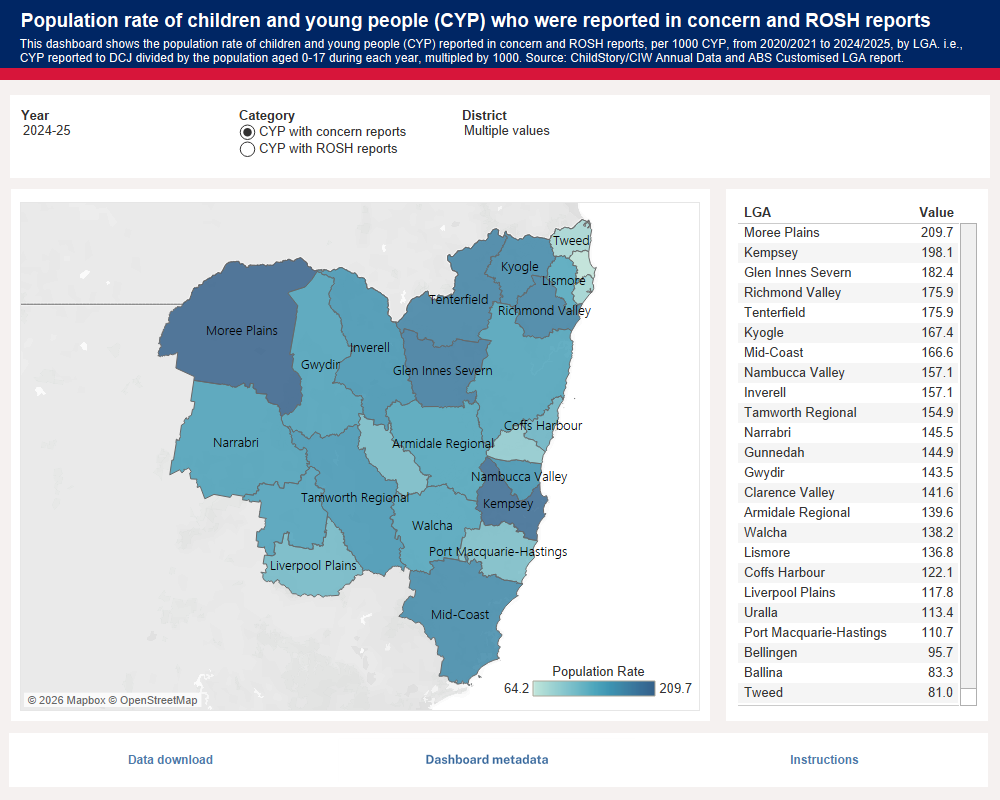
Child protection rates in NSW are highest in rural areas. Rates of child abuse and out-of-home care are disproportionately elevated in the New England North West and Mid North Coast districts, as well as the Central and Far West. Moree is the highest in New England, Kempsey on the coast, with Glen Innes, Tenterfield and the Richmond Valley not far behind. No part of the New England has a concern report rate below 100 reports per thousand children. Aboriginal and Torres Strait Islander children are significantly over-represented in the system, placed in out-of-home care at a much higher rate across the state.
Combined with lower access to health care, particularly prenatal care, in these regions, the fear of child protection involvement means pregnant women and their babies face a much greater risk.
That fear is now the subject of new Griffith University research, which has found that pregnant women who become involved with child protection services often experience fear, mistrust and stigma, leading some to avoid health and support services altogether.
PhD Candidate Rebecca Wren, from Griffith’s School of Allied Health, Sport and Social Work, examined existing research into the lived experience of women who engaged with child protection while pregnant. She found limited evidence on the topic, despite growing international concern about the consistently high number of infants being removed from their families.
“Being pregnant can be a vulnerable time for women, and many are experiencing complex challenges including trauma, family violence, poverty, substance abuse, mental health concerns, and housing insecurity,” Ms Wren said.
“They feel a sense of being judged, surveilled, and mistrust, causing many to avoid services for fear their child will be removed.”
“Their feelings of mistrust are driven by unclear plans and broken promises as child protection can often focus on deficits and not women’s strengths, recovery and parenting potential.”
“Unfortunately, a mother’s experience with trauma and domestic violence frequently goes unaddressed.”
The study identified missed opportunities for early intervention and support during pregnancy, which could improve outcomes for mothers and their babies.
Co-author Professor Silke Meyer, from Griffith’s Centre for Mental Health, said:
“It is important we see more trauma-informed, culturally responsive, and relationship-based approaches which prioritise both child safety and maternal well-being.”
“We need to break the cycle of disadvantage and reduce the rate of infant removal.”
The paper, ‘Women’s experiences of child protection involvement during pregnancy: A scoping review’, has been published in Child and Youth Services Review.
Got something you want to say about this story? Have your say on our opinion and comment hub, New England Times Engage