

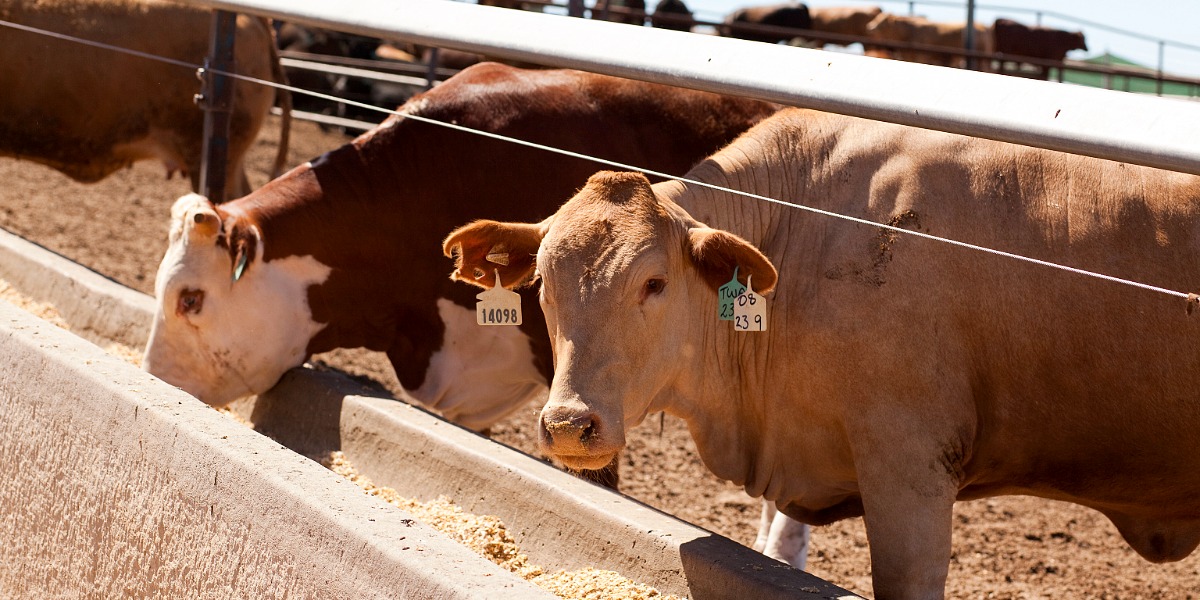
Northern Tablelands Local Land Services is encouraging livestock producers to use feed testing as seasonal conditions deteriorate. Whether producers are supplementing feed or providing a full ration, a feed test gives a clear picture of the feed’s nutritional value and helps ensure animals receive the nutrients they require.
Northern Tablelands Local Land Services is currently offering a limited number of free feed, soil and water tests for landholders.
Northern Tablelands Local Land Services Land Services Officer Sara Paton said there was no “one size fits all” approach to ration development, with nutritional values varying across commodities, seasons, production systems and even between batches of the same feed.
“When purchasing feed, it’s not always practical to wait for lab results after the feed has already arrived. Where possible, ask the supplier for a feed test at the time of purchase so you can start feeding with accurate nutritional values once the feed arrives,” she said. “It’s also important to always ask for a commodity vendor declaration (CVD), as this helps producers evaluate potential weed risks.”
Common feed test values used in ration development include dry matter (DM%), digestibility, metabolisable energy (MJ ME/kg DM), crude protein (CP), neutral detergent fibre (NDF) and crude fat. Understanding these components is the first step in interpreting feed test results.
There are additional considerations when formulating a balanced diet, so producers unsure about feed quality or ration development are encouraged to contact a livestock nutrition expert.
Different classes of livestock have different energy and protein requirements. Producers managing multiple classes, such as weaner calves and pregnant cows, will require separate rations for each group.
If seasonal conditions remain unfavourable and feeding continues over an extended period, animal requirements may change due to class changes, such as pregnant cows becoming lactating cows, changes in liveweight in growing animals, or variations in pasture availability and quality.
Ms Paton said it was important to regularly reassess animal requirements during prolonged feeding periods and adjust rations where needed.
“If you need to purchase additional feed, ensure each batch has a feed test and revise rations accordingly,” she said.
The Drought & Supplementary Feed Calculator is a useful tool for sheep and cattle producers developing drought rations or supplementary feeding programs during dry conditions.
Ration development is complex and involves a range of pasture and livestock variables. While the calculator provides useful guidance, users should interpret the outputs carefully, understand how different feed types interact within the diet, and combine this information with livestock monitoring and pasture observations to refine feeding decisions.
The calculator is available at: https://www.dpi.nsw.gov.au/animals-and-livestock/nutrition/feeding-practices/drought-and-supplementary-feed-calculator. Alternatively, the myStockPlanner tool is also available as a resource.
For more information about the free feed, water and soil tests, or to speak with staff about ration formulation, call 1300 795 299 or visit the nearest Northern Tablelands Local Land Services office.
Something going on in your part of the New England people should know about? Let us know by emailing newsdesk@netimes.com.au