

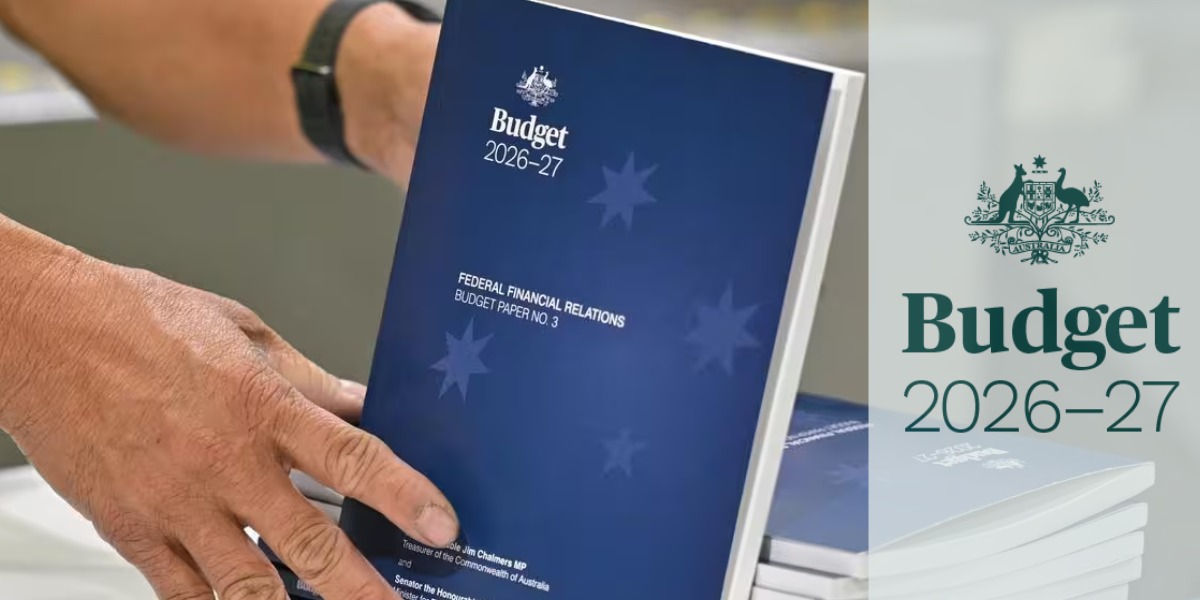
Regional Australia is shaping as one of the biggest losers in the Albanese Government’s 2026-27 Federal Budget, with the axing of the Inland Rail project north of Parkes overshadowing what Treasurer Jim Chalmers says will be a “responsible” budget focused on repairing the nation’s finances.
The Treasurer will tonight reveal the federal budget bottom line has improved by $44.9 billion over the forward estimates compared to forecasts made in December, despite no return to surplus across the next four years.
The government says the improvement has come through spending restraint, savings measures and stronger-than-expected tax revenue, with Finance Minister Katy Gallagher identifying $63.8 billion in gross savings across the budget.
But while Labor is pitching the budget as fiscally disciplined, regional leaders say communities outside the major cities are once again paying the price.
The decision to terminate Inland Rail at Parkes has sparked fierce backlash across regional NSW and Queensland, with councils, businesses and farming groups warning the move will leave billions in sunk costs and undermine decades of planning.
Federal Member for Parkes Jamie Chaffey said the project’s cancellation north of Parkes was “a kick in the guts for regional Australia”.
“About $3.5 billion has already been spent on this project,” Mr Chaffey said.
“Business and property owners have built their decisions around it for many years. This is a kick in the guts for regional Australia, and a terrible result for sustainability for our country.”
The budget instead includes $3.8 billion for Melbourne’s Suburban Rail Loop and $50 million for improvements to the Sydney-Canberra rail line, a contrast regional leaders say reinforces concerns that funding is being redirected away from the bush.
“The Inland Rail decision was just another way in which the Labor Government has robbed from the regions to give to metropolitan areas,” Mr Chaffey said.
He said councils across the Parkes electorate had repeatedly warned Canberra they were struggling under rising costs, deteriorating roads, telecommunications blackspots and increasing infrastructure demands.
“Local government is absolutely struggling to provide essential services to their community – often without the financial means to do so,” he said.
“Councils throughout the electorate have let me know they have eight priority issues that need attention in this budget: escalating costs and financial sustainability; road maintenance, freight efficiency and road safety; natural disaster preparedness, recovery and resilience; community infrastructure; airport infrastructure; regional telecommunications infrastructure; Inland Rail; and water infrastructure.”
Mr Chaffey also criticised the lack of funding for a weather station in the Broken Hill region, describing it as an ongoing safety and planning issue for western communities.
The budget’s regional impacts are expected to extend beyond infrastructure.
Among the measures expected to be confirmed tonight are tighter eligibility requirements and reduced spending growth for the National Disability Insurance Scheme, forecast to reduce costs by about $35 billion over coming years.
Regional communities have already raised concerns about reduced NDIS services and workforce shortages in rural areas, with Mr Chaffey listing cuts to disability services among the growing pressures facing country communities.
The budget is also expected to include changes to tax arrangements affecting trusts, negative gearing and capital gains concessions, measures Labor says are aimed at improving housing affordability and strengthening the budget position.
Farm groups and regional business advocates have already expressed concern about the impact trust changes could have on family farms and small businesses, many of which rely on trust structures for succession planning and operations.
At the same time, Australians over 65 are set to pay more for private health insurance after the government moved to remove discounted rebates for older Australians, while electric vehicle tax concessions will also be wound back.
The government has already legislated a temporary 26-cent-per-litre cut to fuel excise and a reduction in the heavy vehicle road user charge until June 30, with speculation the measures could be extended amid ongoing global oil price volatility linked to conflict in the Middle East.
Labor has also flagged increased defence spending of $53 billion over the next decade as geopolitical tensions intensify.
Dr Chalmers said the government had struck the right balance between restraint and investment.
“We’re getting the budget in better nick because that helps to fund the things that Australians need and deserve like Medicare, aged care and cost-of-living relief,” he said.
“Responsible economic management is a hallmark of this government and this is our most responsible budget yet.”
Economists have warned governments against large spending measures that could worsen inflation and trigger further interest rate rises, with Reserve Bank Governor Michele Bullock previously cautioning against excessive fiscal stimulus.
Speculation continues over whether the budget will include a one-off payment of between $200 and $300 for wage earners, although reports suggest any such measure may not take effect until 2027 to avoid adding short-term inflationary pressure.
Meanwhile, New England MP Barnaby Joyce accused the government of failing to be transparent about the nation’s financial position.
“I want to see honesty … in the budget papers, you will see once more, NFP, not for publication; this document has no validity, and we haven’t even seen it,” Mr Joyce told Sky News.
“Unless we get our nation back to really focusing on getting efficacy out of assets, making assets really work, so you don’t have to borrow the money or tax the pants off people, then Australia really has problems.”
Like what you’re reading? Support New England Times by making a small contribution today and help us keep delivering local news paywall-free. Donate now