

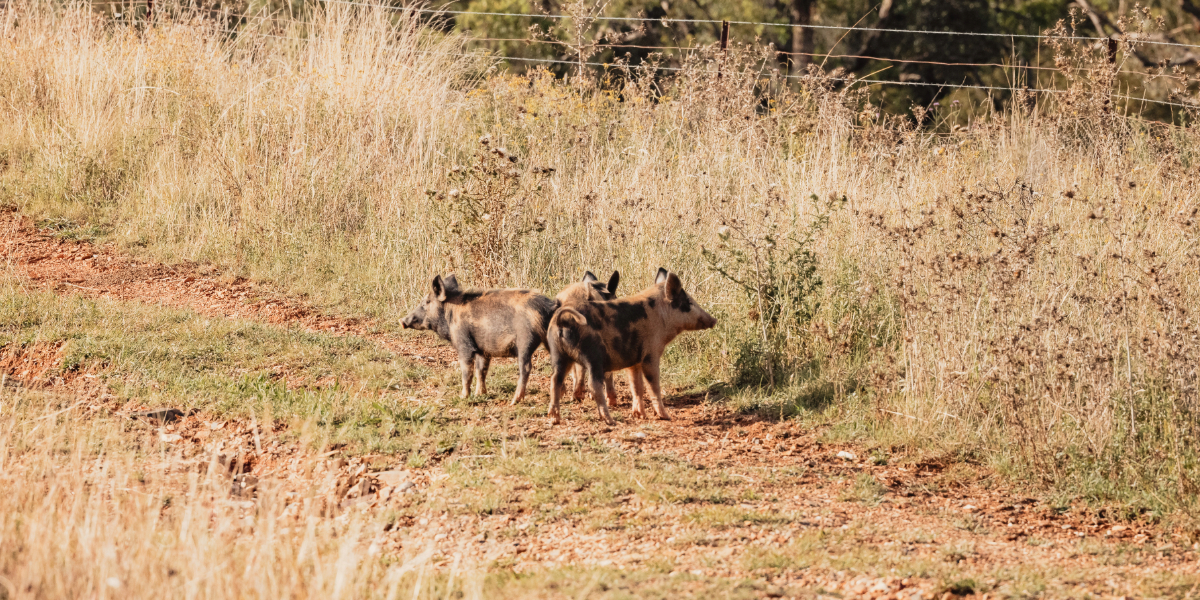
A large-scale feral animal control program targeting pigs and deer will be carried out across the Gwydir region next week as part of a coordinated effort to protect biodiversity, waterways and agricultural land.
The NSW National Parks and Wildlife Service (NPWS), working with government agencies and private landholders, will conduct aerial shooting operations from Monday, 11 May to Friday, 15 May across public and private land in the Gwydir River Valley near Bingara.
The operation, funded through the NSW Government’s Good Neighbours Program, will cover 46,900 hectares east of Bingara, including Gwydir River National Park, surrounding State Conservation Area, private properties, State Forests and WaterNSW land.
More than 70 per cent of NSW threatened species and endangered ecological communities are affected by invasive species, with feral pigs and deer posing a growing threat across the Gwydir region.
NPWS Northern Inland Director John Whittall said the program highlighted the importance of agencies and landholders working together to address pest problems across the landscape.
“The Local Land Services’ Good Neighbours Program is a great example of a coordinated approach in managing feral animals, bringing together multiple land managers and landholders to reduce pest numbers on a regional scale,” Whittall said.
“By working across boundaries and focusing on the landscape as a whole, we can achieve far better outcomes for the environment, neighbouring properties, and local communities.”
Feral pigs damage crops, waterways and native vegetation through soil disturbance and habitat destruction, while deer contribute to erosion, overgrazing and bushland degradation. Both species can spread disease and reduce agricultural productivity.
Authorities say the coordinated cross-boundary approach is aimed at reducing pest populations at a landscape scale to improve river health, protect native habitats and reduce costs for local landholders.
NPWS Barwon Area Ranger Alissa Van-Klooster said pest animals could not be effectively managed by individual properties acting alone.
“Pest animals don’t recognise property boundaries, so this kind of coordinated effort is exactly what’s needed to make a real difference,” Van-Klooster said.
“It’s encouraging to see agencies and landholders working together to tackle an issue that affects the whole region.”
The initiative has secured $130,150 in funding and follows consultation with landholders through a series of public meetings in the region.
NPWS said previous feral animal management operations in the broader region removed 13,787 feral animals through aerial shooting and another 2,027 through ground-based shooting. Additional measures included 4,280 meat baits, 35,772 kilometres of aerial baiting and trapping programs that removed 1,194 feral animals.
Don’t miss any of the important stories from around the region. Subscribe to our email list.