

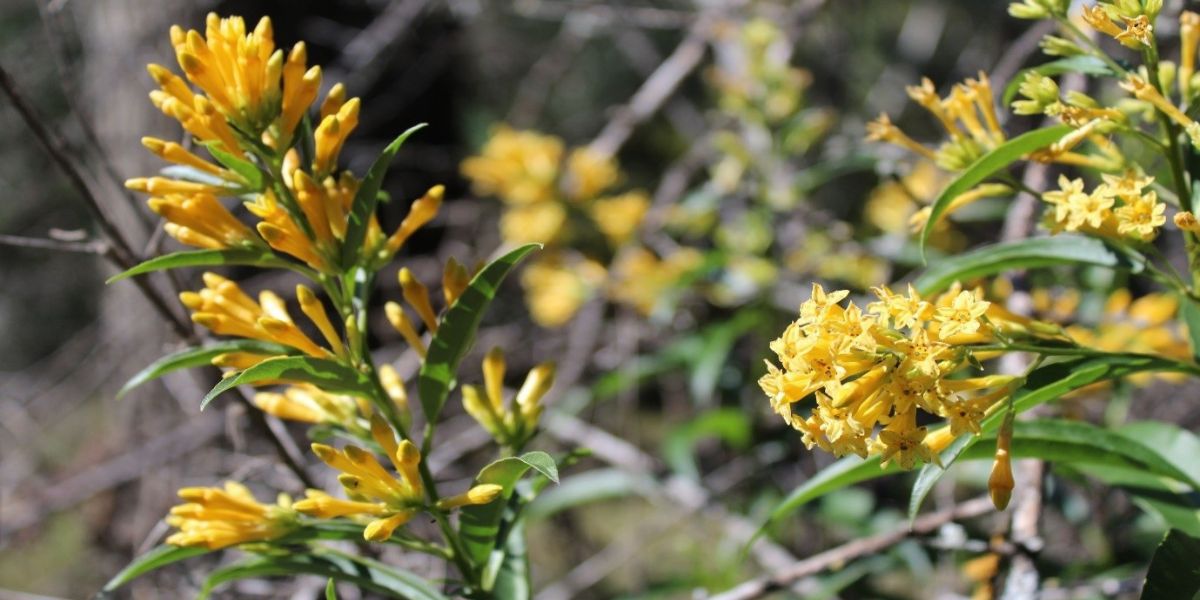
Liverpool Plains Shire Council is urging landowners to inspect their properties and control priority weeds following recent rainfall, warning early action can reduce costs, protect livestock and limit the spread of invasive species.
Improved seasonal conditions have triggered the emergence of Green Cestrum (Cestrum parqui) and encouraged the growth of African Boxthorn (Lycium ferocissimum), making now the most effective time to identify and treat infestations.
Council Authorised Biosecurity Coordinator Mike Whitney said recent inspections showed Green Cestrum seedlings emerging and established plants recovering strongly after rain, while African Boxthorn was also expected to spread under current conditions.
“Recent inspections across the Liverpool Plains have identified Green Cestrum seedlings germinating and established plants recovering strongly following rain, while conditions are also favourable for African Boxthorn growth and spread,” Whitney said.
“Taking action now can prevent significant impacts on agricultural productivity, livestock health and the environment, while also reducing the time and cost associated with future control efforts.”
Green Cestrum presents a serious risk to livestock. Originally introduced to Australia as a garden plant, it spreads mainly through seeds dispersed by birds from urban and residential areas into rural landscapes.
The plant is highly toxic to humans and animals, including sheep, horses, pigs, poultry and particularly cattle. All parts of the plant remain toxic, even after being cut down or treated with herbicide.
“Cattle that consume Green Cestrum often succumb very quickly and are commonly found close to infestations,” Whitney said.
“Landowners moving cattle into new paddocks, particularly riparian areas, should thoroughly inspect these locations beforehand to eliminate the risk of stock poisoning.”
Green Cestrum commonly germinates beneath pepper trees and other trees and shrubs where birds roost.
African Boxthorn also poses significant challenges for landowners. The dense, thorny shrub restricts the movement of livestock and people while providing harbour for pest animals, including rabbits, foxes, feral cats and pigs.
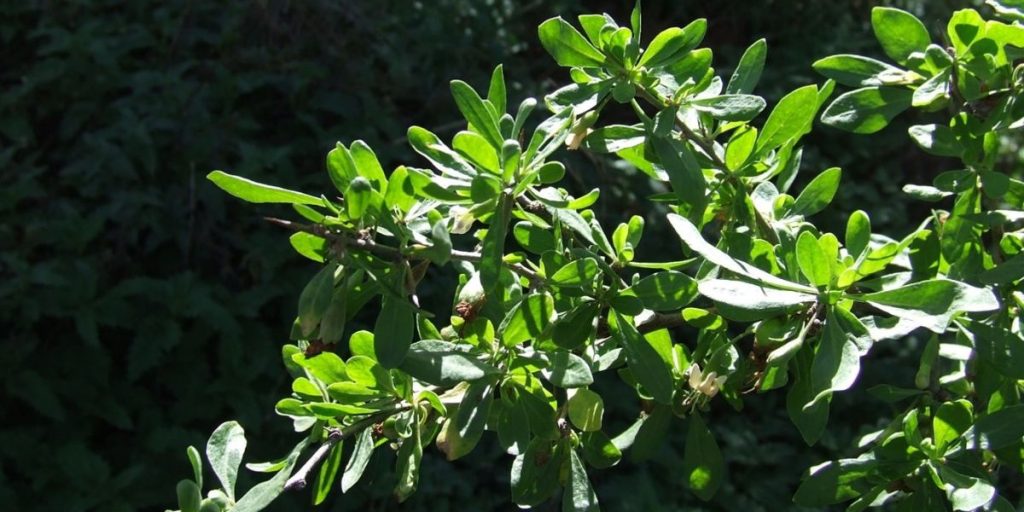
The weed spreads readily through bird-dispersed seed, with infestations often developing beneath established trees where livestock seek shade.
“If left untreated, African Boxthorn becomes larger, stronger and more costly to control,” Whitney said.
“The recent rain provides a valuable window of opportunity for effective control work before infestations become more widespread.”
Landowners planning to use herbicides should ensure plants have healthy leaf growth before treatment. Physical removal may also be suitable in some situations.
Green Cestrum and African Boxthorn are priority weeds in the North West region and require ongoing management by landowners.
Under the Biosecurity Act 2015, all landowners and managers have a General Biosecurity Duty to prevent, eliminate or minimise biosecurity risks so far as is reasonably practicable.
“Effective weed management protects not only individual properties, but also neighbouring farms, native vegetation and the broader agricultural industry,” Whitney said.
Landowners who need help identifying either weed or selecting an appropriate control method are encouraged to contact Council’s Biosecurity Team.
For more information, visit weeds.dpi.nsw.gov.au or contact Liverpool Plains Shire Council’s Biosecurity Team on (02) 6746 1755.
Like what you’re reading? Support New England Times by making a small contribution today and help us keep delivering local news paywall-free. Donate now