

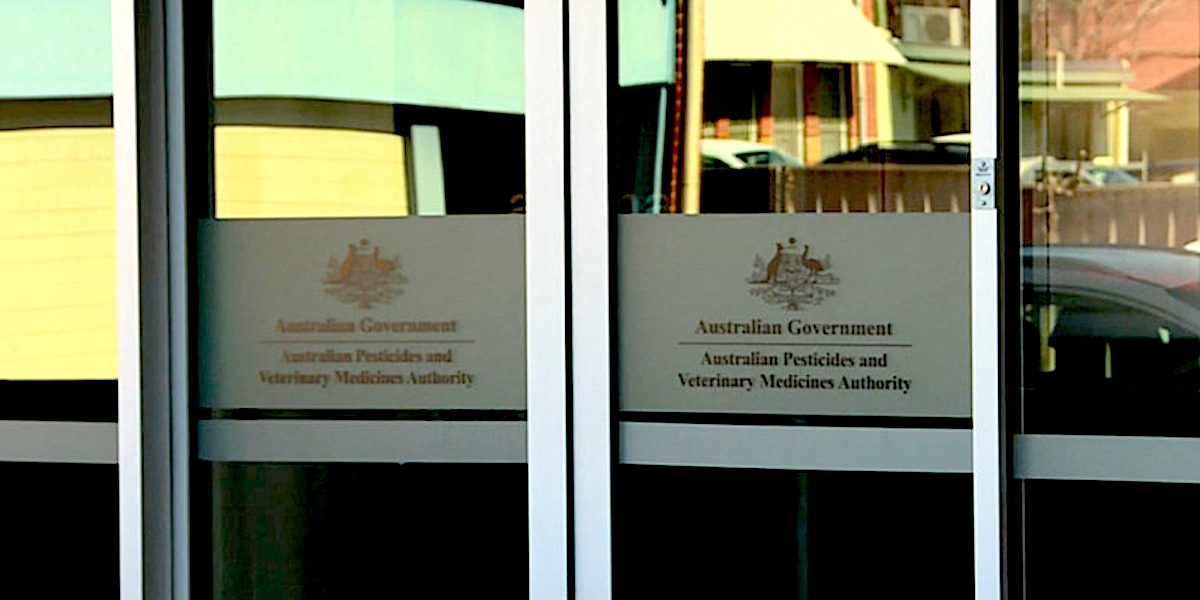
The Armidale-based pesticides regulator is under fire over a $6.1 million mistake in its plan to overhaul the fees farm chemical companies pay.
Industry body CropLife Australia says the Australian Pesticides and Veterinary Medicines Authority (APVMA) has got its sums wrong. It says the regulator’s 2027–28 headline figures show a deficit of around $3 million, when the real position is a surplus of around $3 million.
CropLife is demanding a corrected and updated draft 2027–28 Cost Recovery Implementation Statement before the proposal goes any further, and says the financial case for a massive increase in fees and levies does not stack up.
“Industry is being asked to accept the biggest increase and restructure of agricultural and veterinary chemical fees and levies in two decades, yet the financial information used to justify it was late, incomplete and, in several places, simply wrong,” said CropLife Australia Chief Executive Officer Matthew Cossey.
The trouble started early, according to CropLife. The first consultation paper left out key data needed to test the proposal’s assumptions. More information came only after CropLife formally asked for it, more than four weeks into an eight-week consultation period, and even then core cost data was still missing.
When CropLife and independent cost recovery specialists went through the figures, they say they found more problems. The activity cost tables account for around $56.4 million of regulatory costs against forecast total expenses of $62.6 million, leaving $6.2 million unexplained. Renewal revenue for 2028–29 is understated by around $606,000. And levy modelling for products with sales between $1 million and $5 million is out by more than $2 million.
“These are not minor drafting issues,” Mr Cossey said.
“They go directly to whether the proposed charges are supported by reliable financial information.”
The APVMA has pointed to fees not rising since 2019 to justify the changes. CropLife says the regulator’s own paperwork shows it made average operating surpluses of $4.5 million a year for five years after the last increase.
“It is not an agency that has been starved of revenue,” Mr Cossey said.
“It collected materially more than it needed, even after its original 2019 request was cut back.”
CropLife also called on the Department of Agriculture, Fisheries and Forestry to release the independent market analysis behind the new policy. The department refused access under Freedom of Information on Cabinet-in-Confidence grounds, and CropLife has asked for a review.
The policy was announced in May 2026 and is due to start on 1 July 2027. It will make the APVMA recover the full cost of most regulatory assessments through upfront fees, and cut sales-based levies by 40 per cent.
“Stakeholders are meant to blindly trust a policy on the strengths of findings from an independent assessment that the Department is refusing to release,” Mr Cossey said.
He warned the changes could hit what farmers can buy.
“Higher upfront fees could affect which products companies choose to register or maintain in Australia, particularly where markets are small or registration costs are high relative to expected sales,” Mr Cossey said.
“This will have consequences for competition, innovation and the technologies available to Australian farmers.”
CropLife says it backs the regulator and its staff. Its beef is with the numbers.
“CropLife supports a properly funded and well-resourced APVMA,” Mr Cossey said.
“This is not a criticism of the agency’s dedicated scientific and regulatory staff.”
The group wants the fix made before the proposal lands on the Minister’s desk.
“It is not too late to fix this,” Mr Cossey said.
“Release a corrected draft, allow a further period for meaningful consultation and get the numbers right before this proposal goes any further.”
“It would cost little and would give government, industry and farmers some confidence in the outcome.”
“Right now, that confidence does not exist.”
Got something you want to say about this story? Have your say on our opinion and comment hub, New England Times Engage