

More than 42,000 Australians have no GP within an hour’s drive. And the health funding gap between the city and the country has blown out to $9.23 billion a year.
The National Rural Health Alliance (NRHA) says it is clear proof that people living outside major cities are being left behind by the health system.
“Rural Australians are being hit twice,” said NRHA Chief Executive Susi Tegen.
“They receive less healthcare funding than their city counterparts and are often forced to spend more of their own money simply to access essential care.”
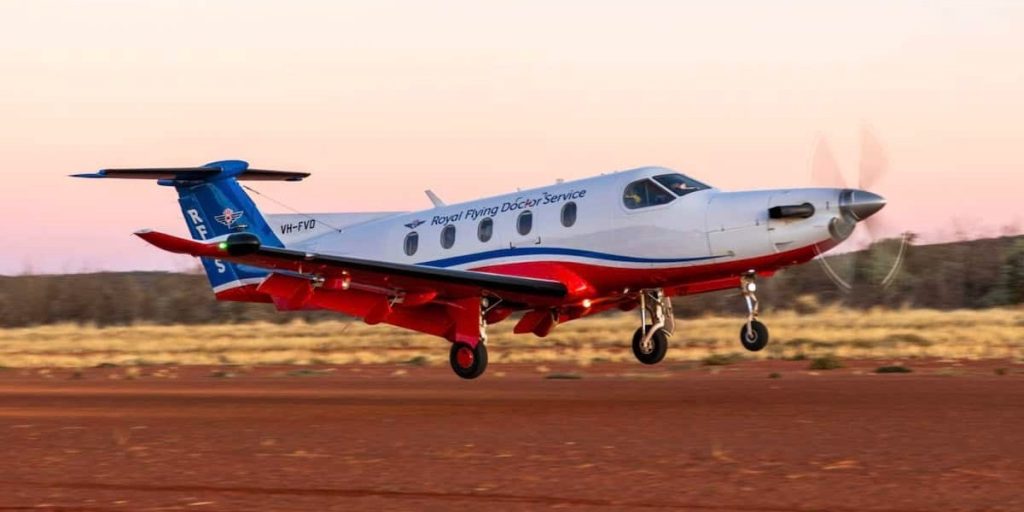
The warning follows the release of the Royal Flying Doctor Service’s (RFDS) Best for the Bush 2026 report.
The NRHA has welcomed the report, saying it provides further evidence of Australia’s growing rural health inequity, the need for government investment, and the iconic, impactful service the RFDS provides rural communities.
The report found more than 42,000 people still have no GP within a 60-minute drive. The NRHA says that figure understates the real gap rural and remote Australians face, despite their enormous economic contribution to the nation.
Almost half of consumers named long waits as a barrier to care. Another 36 per cent listed travel, food, and accommodation costs.
The findings back up the NRHA’s own Forgotten Health Spend 2026 report.
It found the yearly gap in health spending between rural and metropolitan Australia has widened to $9.23 billion, up from $6.55 billion in 2023.
For people in small rural towns, the gap reaches $6,368 per person every year.
Tegen said Australians living outside major cities, about 30 per cent of the population, are being financially and physically disadvantaged by a health system that fails to properly account for geography, distance, and the cost of delivering care.
“Universal healthcare cannot be considered universal when access depends on your postcode, your bank balance, whether you own a car, or whether you can afford to take time away from work and family,” she said.
The RFDS report also shows the economic and social benefits of putting healthcare closer to home.
Independent economic analysis estimates Commonwealth-funded RFDS primary healthcare services saved patients $94 million in travel-related costs over the three years to 2024–25.
The same services avoided more than 85 million kilometres of travel.
“Investing in rural healthcare is not simply a social obligation; it is sound economic policy,” Tegen said.
“Accessibly local healthcare supports workforce participation, strengthens businesses, sustains communities, and reduces pressure on our hospital system.”
“These are the communities that underpin Australia’s food security, agriculture, mining, energy production, manufacturing, and tourism,” Tegen said.
“Their health is fundamental to our economy.”
The NRHA supports the RFDS call for a national rural and remote health plan.
It is urging Commonwealth, state, and territory governments to commit to equitable, needs-based funding, measurable benchmarks for access to healthcare, and locally designed models of care.
“We have the evidence. We have proven models of care,” Tegen said.
“We have communities and health professionals ready to deliver solutions.”
“What we need now is political commitment, coordinated action and sustained investment.”
Don’t miss any of the important stories from around the region. Subscribe to our email list.