

NSW wants to cut its road toll in half within five years, and regional roads, e-bikes, motorbikes, and speed cameras are all in the crosshairs.
The new 2031 Road Safety Action Plan sets the goal of halving road deaths and reducing serious injuries by 2031. Transport for NSW built it after talks with experts and the community, including state-wide consultation sessions.
“Every death and serious injury on our road network has a devastating impact on families, friends and entire communities, which is why we’re doing all we can to make our roads safer,” said Minister for Roads Jenny Aitchison.
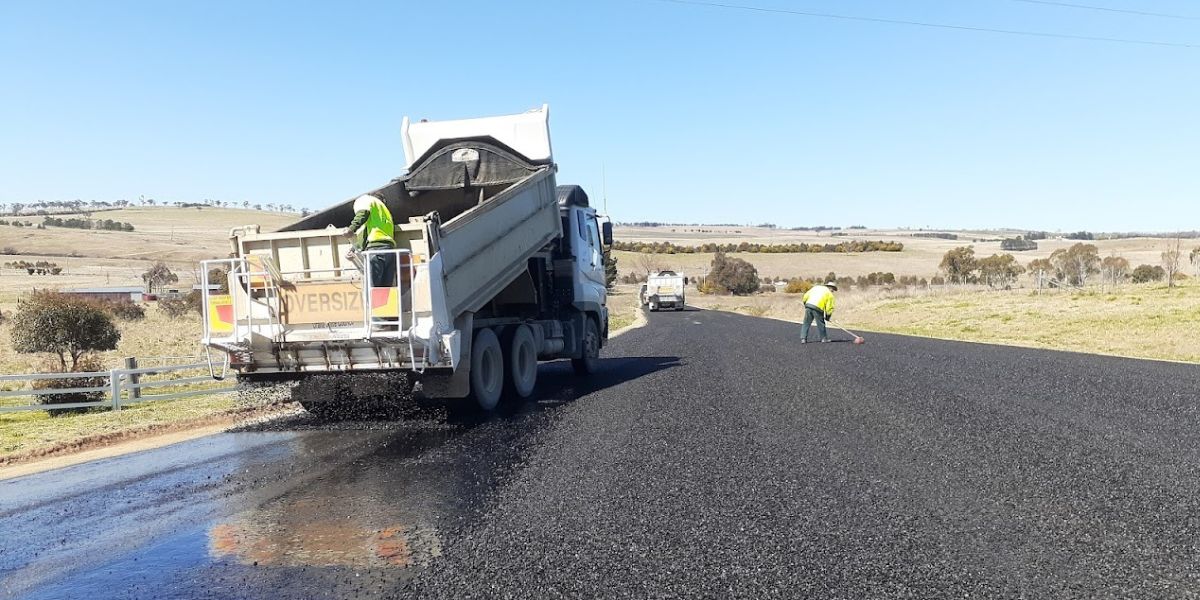
Regional roads are first in line for funding. The plan promises targeted investment in barriers, rumble strips, intersection upgrades, and council support, with the aim of lifting safety ratings on high-risk regional roads where serious crashes happen.
E-bikes are also in the spotlight, with stronger regulation, enforcement, and education on the way, along with better collection and use of crash and trauma data.
Drivers could soon find themselves watched more closely. The plan will look at expanding average speed cameras to light vehicles, drawing on the recent trial and feedback from industry and the community. Police will also get more roadside enforcement capability, and the plan promises a look at ways to improve roadside testing.
“The 2031 Road Safety Action Plan focuses on practical actions that will make a difference, from safer infrastructure, improved motorcyclist training, better post-crash care, improved bus safety and tackling emerging challenges like e-bikes,” Ms Aitchison said.
Motorcyclists face changes too. The Motorcycle Graduated Licensing Scheme will be reformed, with more rider training, expanded coaching, and a new Online Rider Knowledge Test. Families will get help as well, with a program letting eligible parents have child restraints checked and correctly fitted instead of being hit with financial penalties.
Pedestrians, cyclists, and riders are covered by safer crossings, new infrastructure, and safer speed limits, particularly in busy urban centres, local streets, and other high pedestrian areas. Level crossings will get better safety through technology and enforcement. Heavy vehicle drivers will move to a revised National Heavy Vehicle Driver Competency Framework, which brings skills-based training, assessment, and licensing. When a crash does happen, there will be a greater focus on coordinated emergency response, trauma care, rehabilitation, and recovery.
Behind all of it are seven priorities: protecting vulnerable road users, encouraging safe behaviour by everyone on the road, getting more people into safer vehicles and protective gear, making high-speed roads safer, creating safe and vibrant urban places, strengthening road safety management, and improving care after a crash.
The plan builds on what is known as the Safe System approach. It accepts that people make mistakes, but says deaths and serious injuries are not inevitable, and that roads should be designed to protect people when those mistakes happen.
The full plan can be viewed at https://www.transport.nsw.gov.au/roadsafety/what-we-do/2031-road-safety-action-plan
“We know that road trauma doesn’t have a single cause and there is no single solution,” Ms Aitchison said.
“But this plan brings together new and strengthened actions across different areas to work on improving safety on our roads.”
Something going on in your part of the New England people should know about? Let us know by emailing newsdesk@netimes.com.au