

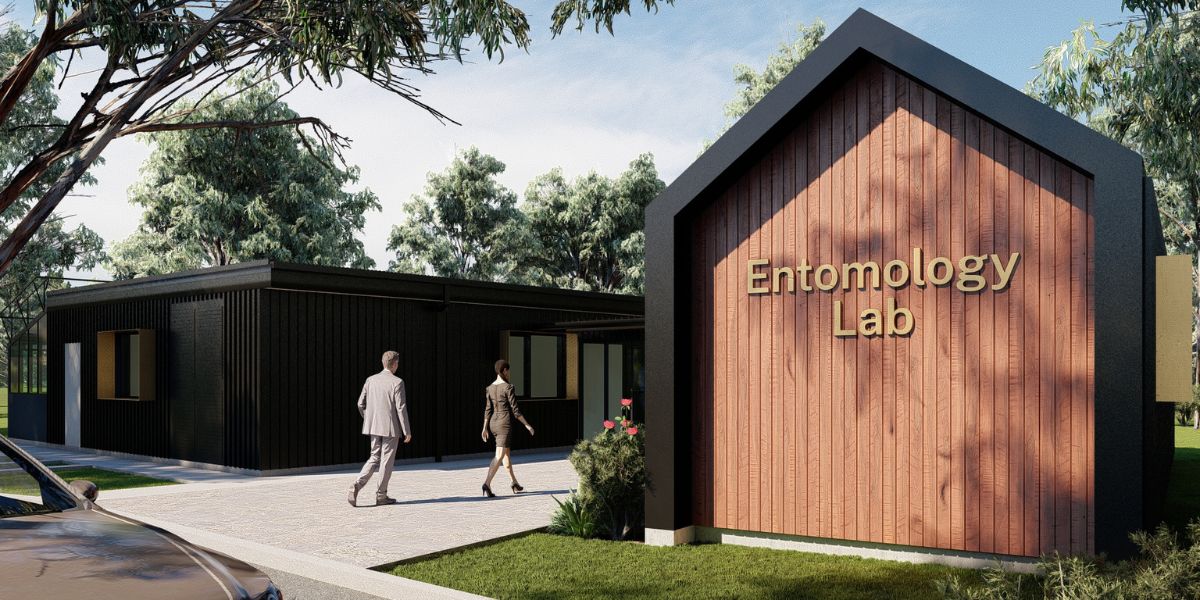
Construction has begun on a new $1.2 million pest insect research laboratory in Tamworth aimed at strengthening NSW’s ability to manage insecticide resistance and emerging agricultural pests.
The purpose-built facility will support research into pests affecting cotton, grains, horticulture and dairy production, with a focus on how insect populations develop resistance to agricultural chemicals.
NSW Agriculture Minister Tara Moriarty said the new laboratory would give researchers access to modern facilities while supporting the state’s cotton and grains industries.
“It’s great to see construction underway on this new entomology laboratory in Tamworth, which will provide researchers with the modern facilities they need to support our cotton and grain industries into the future.
“Our farmers rely on access to world-class research to remain productive and competitive, and that’s why the Minns Government has been delivering significant boosts to capital funding and ensuring all research efforts are focused on industry and state priorities.”
The laboratory will support the work of NSW DPIRD entomologist Dr Lisa Bird and three technicians researching pests considered at high risk of developing resistance.
Their work will cover major caterpillar pests of grains, cotton and horticulture, including fall armyworm, corn earworm, cotton bollworm and cluster caterpillar, as well as spider mites and leaf-feeding insects such as aphids, thrips and mirids.
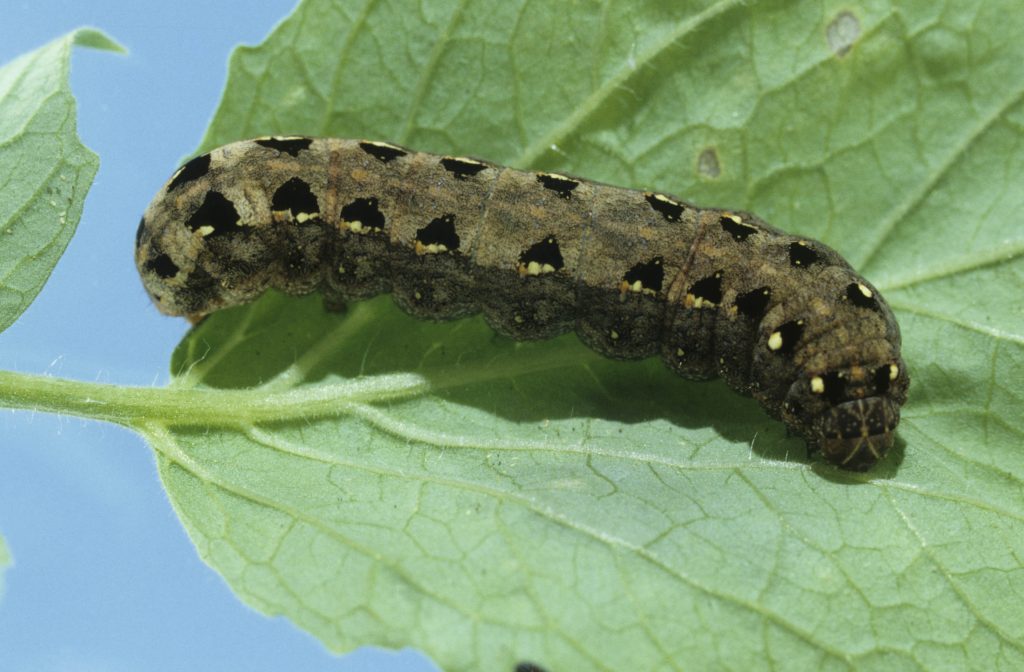
The facility is expected to become Australia’s leading provider of resistance testing for fall armyworm, an invasive pest capable of damaging grain and horticultural crops and affecting meat and dairy production systems through impacts on feed crops.
“Understanding how insect populations respond to different control methods is critical to maintaining the effectiveness of our pest management tools.
“The new facility represents a significant investment in agricultural research capability and will allow us to build on our work to better understand insect resistance and sustainable pest management for our farmers,” Dr Bird said.
Research at the laboratory will examine insect resistance and cross-resistance to agricultural chemicals, pest susceptibility to existing and emerging crop protection products, integrated pest management approaches and resistance risks posed by endemic and exotic pest species.
Large-scale surveillance by Tamworth researchers will also be used to identify control failures linked to resistance and alert growers to emerging risks.
The research is intended to help farmers and agronomists make more informed pest-control decisions and preserve the effectiveness of existing management tools.
“By improving our understanding of pest resistance and control options, this facility will help equip growers with practical information they can use to protect crops and deliver the food our society needs,” Moriarty said.
Research generated through the facility will also contribute to risk assessments and resistance management strategies for fall armyworm and other emerging pest threats.
The laboratory is part of a $100 million boost to primary industries research announced by the Minns Government over the past two years, including capital works to modernise research facilities across NSW.
The government says the project also forms part of more than $1 billion it has invested in biosecurity.
Read all the way through to the end of the story? So did lots of other people. Advertise with New England Times to reach New England locals who are interested and engaged. Find out more here.