

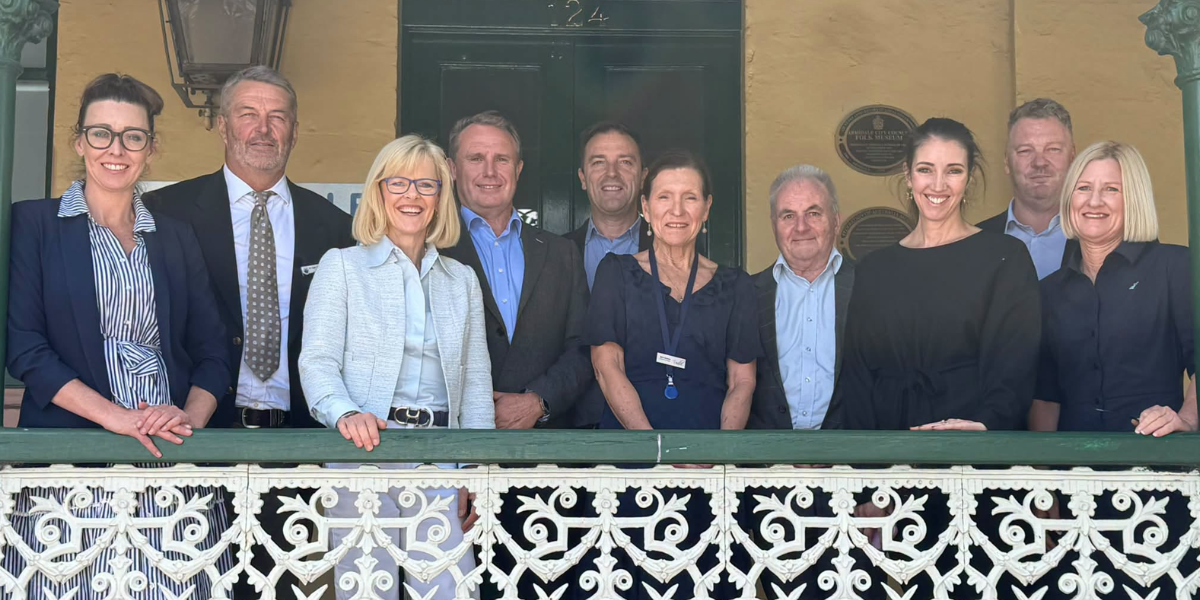
What started as a support network for newly elected mayors has grown into a nine-council alliance stretching from Walcha to Tenterfield and out to Narrabri, and it is already landing wins for the northern inland.
The Northern Inland Regional Organisation of Councils (NIROC) met in Armidale on Monday 16 November, and its Chair says the young group has finally found its stride.
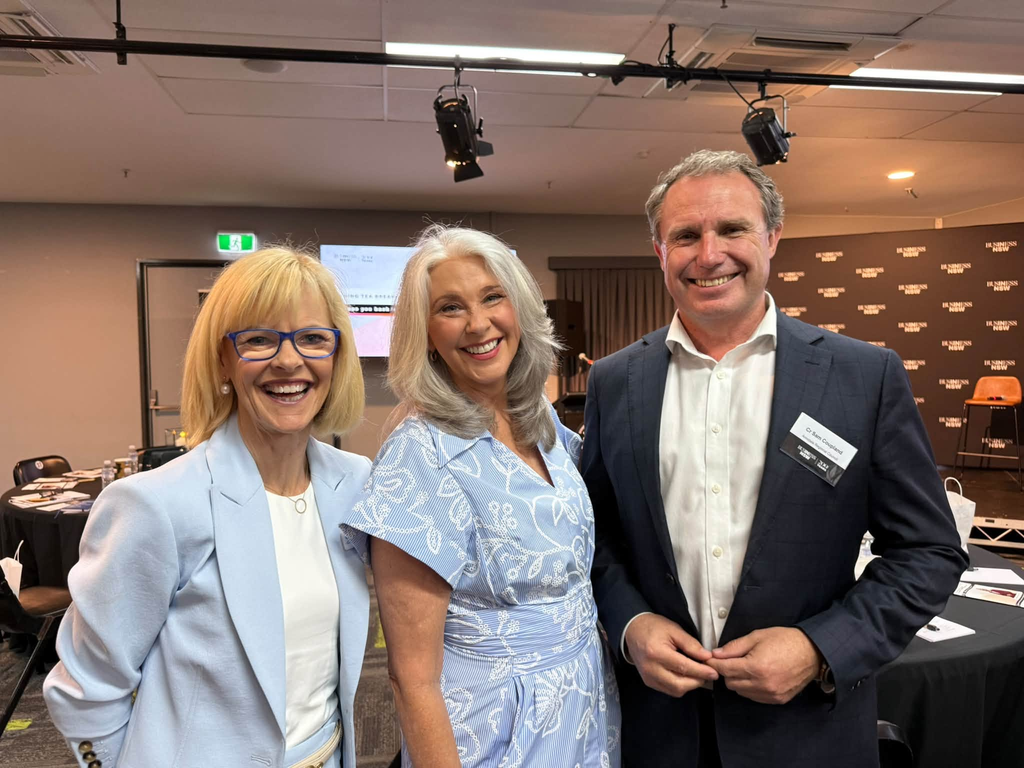
“We’ve got a group of councils who are all invested in it,” said Inverell Shire Council Mayor and NIROC Chair Kate Dight.
“We’ve got a group of mayors who really can see lots of benefit in this joint advocacy stuff.”
The member councils are Walcha Shire, Uralla Shire, Armidale Regional, Glen Innes Severn, Tenterfield Shire, Inverell Shire, Gwydir Shire, Moree Plains Shire, and Narrabri Shire.
“So if you do the numbers, together we represent over 105,000 people,” Mayor Dight said.
The Armidale meeting welcomed two new faces to the table, new Walcha Mayor Hyde Thomson and new Moree Plains Shire Council General Manager Steve Hamilton. Moree Plains Mayor Susannah Pearse serves as Vice-Chair.
The group may soon grow to 10. Gunnedah Regional Council has asked to join and will take the request to a full council vote before NIROC considers it in February.
Born from friendship
Mayor Dight said NIROC grew out of the support new mayors gave each other after the last council elections.
“It came about quite frankly because we were a group of mayors that were all brand new,” she said.
“And we were looking for support from each other.”
Many of those new mayors were women.
“So you’ve got new female mayors who are really happy to talk to each other to find out good ways and means of actually getting stuff done,” she said.
The region once had a New England Joint Organisation, but Mayor Dight said that model asked too much of cash-strapped councils for too little return. She pointed to a $29,000 asset audit process as an example of the costs involved.
Instead, NIROC borrowed its constitution from REROC, a long-running regional organisation of councils in the Riverina. Mayor Dight also drew on years of experience with the Border Regional Organisation of Councils, which has long included Moree, Gwydir, and Tenterfield.
One feature sets the group apart. Each council sends both its mayor and its general manager, and they sit as equals.
“What’s important with this group is that the general managers and the mayors have an equal vote,” she said.
Mayor Dight said general managers bring a practical eye to mayors’ bigger ideas.
“It’s been great to have them with us along the way,” she said.
Big or small, every council is equal
The councils range from Armidale, with close to 30,000 people, to much smaller shires. But members have agreed that costs are shared equally.
“We have all agreed as of that last meeting that everything will be split equally,” she said.
“We don’t want one council to be dominating just because they’re a bigger council. Those voices need to be all equal.”
The first shared project on the table is a study of long-term population projections across the whole region.
“That is something that is really important to all of us because it sets us up to be able to know what our long-term strategic direction can be and to be able to sell our communities better,” Mayor Dight said.
Wins on the board
Regional councils have already had a win on disaster funding. A proposal to move to a 50-50 split between state and federal governments was dropped, with the 75-25 federal and state split retained.
“States have money. States set the rules,” she said.
“So it’s had impact already, and we’ve managed to have success with the state-federal split.”
The fight is not over. A proposed rise in the cost threshold before councils can access disaster funding support was wound back from $2.7 million to $1 million, but NIROC wants it closer to the previous level of around $250,000. Mayor Dight said disasters in large regional council areas often hit only one council, making the higher threshold harder to reach.
Other priorities include protecting face-to-face bank branches, keeping regional flights landing at Kingsford Smith Airport rather than Western Sydney, and fixing a timing mismatch between the firearms buyback and licence approvals.
Mayor Dight said Westpac’s return to Moree was good news, but rare.
“We’ve just got to make sure we don’t lose them because it’s so hard to get them back,” she said.
The group also wants Moree’s police drone trial, championed by Mayor Pearse, rolled out across the region. The Australian-first trial began in January and uses two drones based on the roof of the Moree police station, piloted remotely from Bankstown Airport.
Police say the drones are used to respond to active incidents, track suspects, and help with search and rescue. In August, the NSW Government extended the trial for two years and flagged possible expansion to other regional areas.
Early learning is also on the agenda. Each council will look at whether the NSW Government’s new public preschools could put pressure on local community preschools.
“They have just done such a wonderful job getting our kids ready for school, and that can’t be jeopardised,” she said.
Room to grow
Looking ahead, Mayor Dight said a thriving northern inland comes down to jobs, housing, health services, and liveability. She pointed to forecasts that the regions will need to absorb most of the state’s population growth by 2060.
“So the regions have to be prepared and get ready to take on 60 per cent of our population growth for the future,” she said.
Inverell Shire Council is leading by example, creating its own 118-lot subdivision.
“For the first time, Inverell is stepping into this subdivision space and developer space because we don’t have private developers coming to our town to do that for a variety of reasons,” she said.
“That’s a perfect example of how at a regional level we can champion for ourselves and for NIROC, that’s what we’ve got to think about.”
NIROC also hopes to receive leftover funds from the former New England Joint Organisation, which is being formally wound up through the Minister.
“We should have some money in the end,” she said.
Meetings will rotate around member councils, with each host showcasing its work. The 2027 dates are Friday, 26 February in Sydney, alongside the Country Mayors meeting, and Monday, 17 May hosted by Gwydir Shire Council. Moree will host in August, and the final meeting will be back in Sydney.
“When we’re down there for country mayors, that’s our chance to see the ministers. That’s our chance to go and knock on their doors and tell them what we want,” she said.
NIROC will soon call for expressions of interest from speakers who would like to address the network.
“We need to actually get it out there, get the message out that we’re functioning,” she said.
“I think we’ve got a lot of opportunity and I really look forward to driving it.”
Got something you want to say about this story? Have your say on our opinion and comment hub, New England Times Engage