

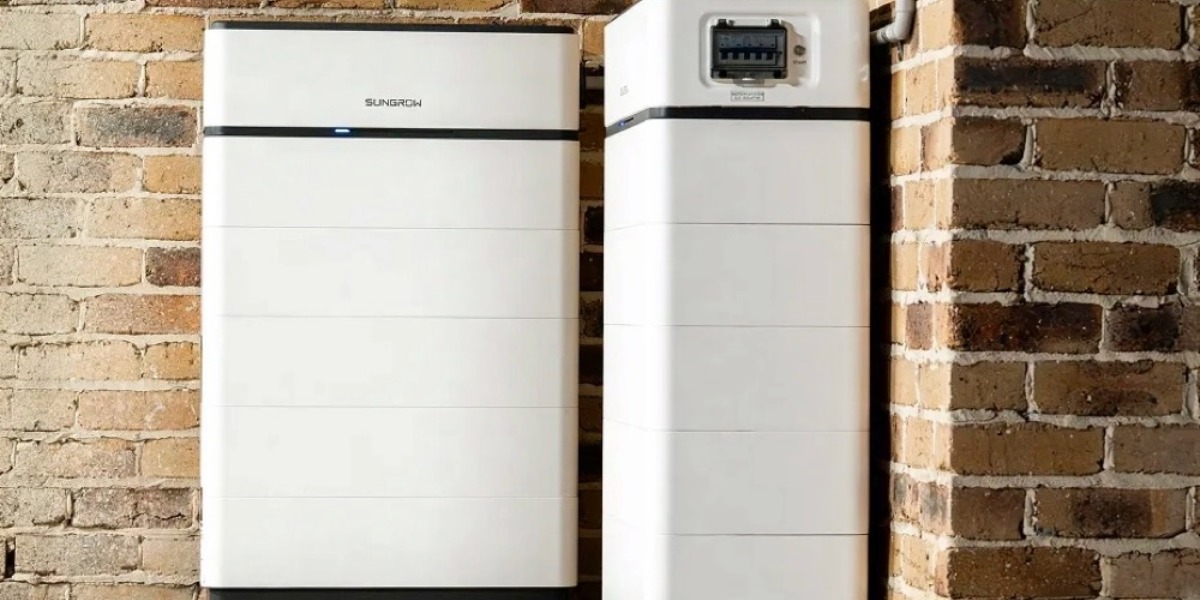
NSW businesses, including farmers, will be able to cut the upfront cost of installing batteries by 20 to 40 per cent from Tuesday, 1 September, under a new state government scheme that has been welcomed by farming groups, who say more still needs to be done on regional grid infrastructure.
Eligible businesses, including commercial and industrial operations, will be able to access the upfront discount on battery installation through government-accredited suppliers. The size of the discount is tied to the size of the battery, with larger batteries attracting bigger savings. A small business such as a grocery store could receive a discount of around $37,000, while a medium-sized business such as a dairy farm could receive around $355,000.
The incentive can be combined with the Australian Government’s discounted rooftop solar scheme for commercial buildings, and also applies to apartment buildings of four or more units installing a battery for shared spaces. Incentives will be available for businesses installing batteries between 20 kWh and 30,000 kWh, while apartment buildings can claim the discount on batteries between 20 kWh and 200 kWh.
The existing Virtual Power Plant incentive is also being expanded to include batteries up to 50 kWh, meaning small businesses and homes that join could be eligible for an incentive of up to $1,000, helping supply power back to the grid during peak demand. Home battery uptake in NSW continues to grow rapidly, with around 10,000 new batteries being installed every month.
Minister for Climate Change and Energy Penny Sharpe said the changes were designed to help more people cut their power bills.
“NSW wants more batteries, and these changes will help more people cut their power bills, whether they are running a business or living in an apartment,” Ms Sharpe said.
“The Minns Labor Government will help businesses unlock major savings through renewable energy, reducing their long-term operating costs, improving competitiveness and supporting jobs across NSW.”
Farmers for Climate Action welcomed the scheme, saying it was a critical step to lower farm input costs and reduce diesel dependence for regional businesses, and noted the state incentive could work alongside the federal solar rebate to accelerate the clean energy shift already underway in regional Australia.
However, the group said properly supporting farmers and regional communities to switch to electric options would need a targeted focus on regional grid and transmission infrastructure, which remains a barrier for farmers looking to upgrade their equipment.
Local farmer Martin Murray said reducing reliance on imported diesel was critical for the sector’s future.
“We are an extremely fuel-insecure nation,” Mr Murray said.
“To remain an agricultural powerhouse, farmers need support to invest in other systems and technologies that allow us to reduce our dependence on imported diesel.”
For more information on making a home or business more energy efficient, visit energy.nsw.gov.au/apartment-batteries or energy.nsw.gov.au/business-batteries.
Got something you want to say about this story? Have your say on our opinion and comment hub, New England Times Engage