

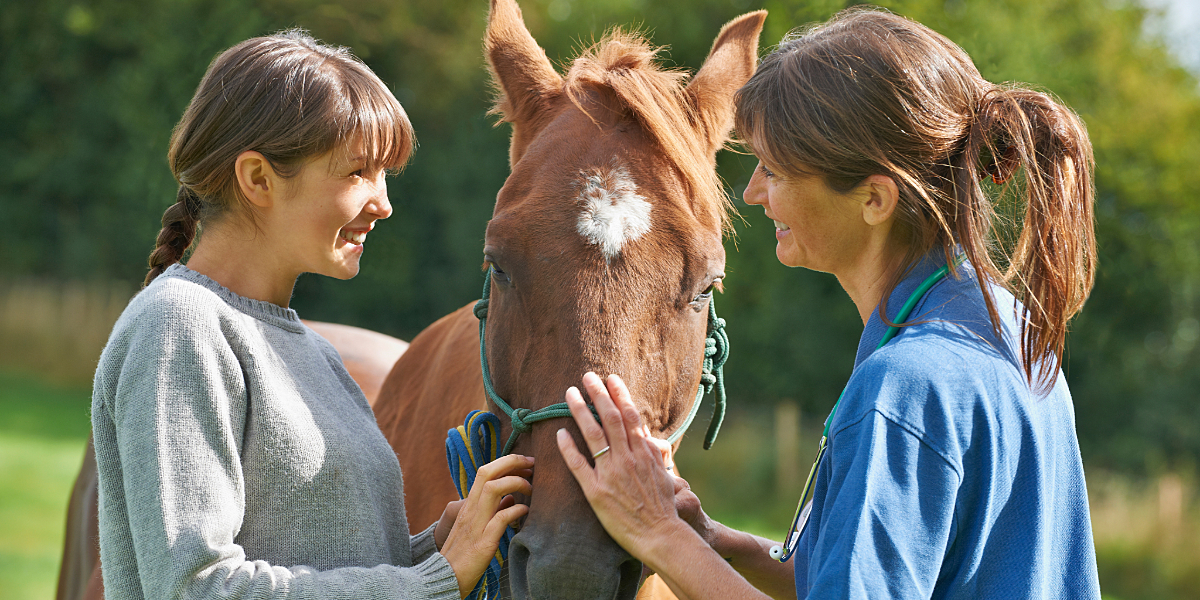
Ninety-four veterinary students will get financial support to complete their clinical placements in regional NSW, as the peak body for the profession accuses the Federal Government of leaving vet students out in the cold on paid prac.
The NSW Government recently announced the Regional Placement Scholarships Program, which provides between $1,500 and $3,000 to veterinary students from Charles Sturt University and the University of Sydney to help cover the cost of their unpaid clinical placements in regional areas.
Vet students are required to complete at least 52 weeks of unpaid work placement, among the longest of any profession, and financial pressure is a significant reason many drop out. The scholarships pay $1,500 for a small animal regional placement, and $3,000 for either a large or mixed animal regional placement or a Local Land Services regional district placement, reflecting the importance of large and mixed animal work to the agricultural industry.
Australia’s veterinary sector is in its ninth consecutive year of workforce shortage, with the deficit most severe in the regional, rural and remote communities where biosecurity incursions are most likely to first emerge. According to the Australian Veterinary Association (AVA), 44 per cent of advertised regional vet jobs stay vacant for more than 12 months, compared with 28 per cent in metropolitan areas.
Minister for Agriculture and Regional NSW Tara Moriarty said the shortage needed to be tackled head on.
“Regional NSW has a higher rate of veterinary shortages than the cities and we need to focus on solving that issue with these scholarships,” Ms Moriarty said.
“That is critical for maintaining both our livestock industry and our regional lifestyle.”
President of the Veterinary Practitioners Board of NSW, Dr Magdoline Awad, welcomed the state scholarship program.
“The Veterinary Practitioners Board welcomes this initiative, which provides students with financial support to pursue opportunities to move beyond the classroom and into real clinical settings, building confidence and practical skills,” Dr Awad said.
The scholarships are part of a broader state push to get vets into the regions. The Welcome Program has already supported the placement of 44 veterinarians and veterinary nurses across NSW as of 30 June 2026, offering relocation advice, help finding temporary housing and support building new social connections. The government has also put $900,000 towards veterinary hospitals for small capital expenditure, consumables and operating costs to assist with wildlife treatment, and is reforming the Veterinary Practice Act to modernise the profession and better protect the mental health and wellbeing of veterinary workers.
But the AVA says the same students being courted by NSW are being overlooked federally. The Federal Government recently expanded its Commonwealth Prac Payment Scheme, which provides means-tested cost-of-living support to students during unpaid clinical placements, to students of clinical psychology, physiotherapy, pharmacy, paramedicine and six other professions, while veterinary students remain ineligible.
The AVA said the decision came barely a month after Australia’s veterinarians were called to the frontline of the nation’s first mainland detection of H5 high pathogenicity avian influenza.
“The Government has rightly recognised that unpaid placements expose students from the allied health sector to serious financial pressure, but the continued exclusion of veterinary students from the Commonwealth Prac Payment Scheme is both deeply disappointing and unacceptable” said AVA President Dr Diana Barker.
“Veterinarians safeguard our $90 billion agricultural sector, our biosecurity status, our food security and public health.”
Dr Barker said the decision to not extend paid prac to vet students sends a very poor signal to a profession that the pipeline of future veterinarians is not worth the same investment as every other frontline health workforce.
“The profession deserves an explanation,” she said.
Got something you want to say about this story? Have your say on our opinion and comment hub, New England Times Engage