

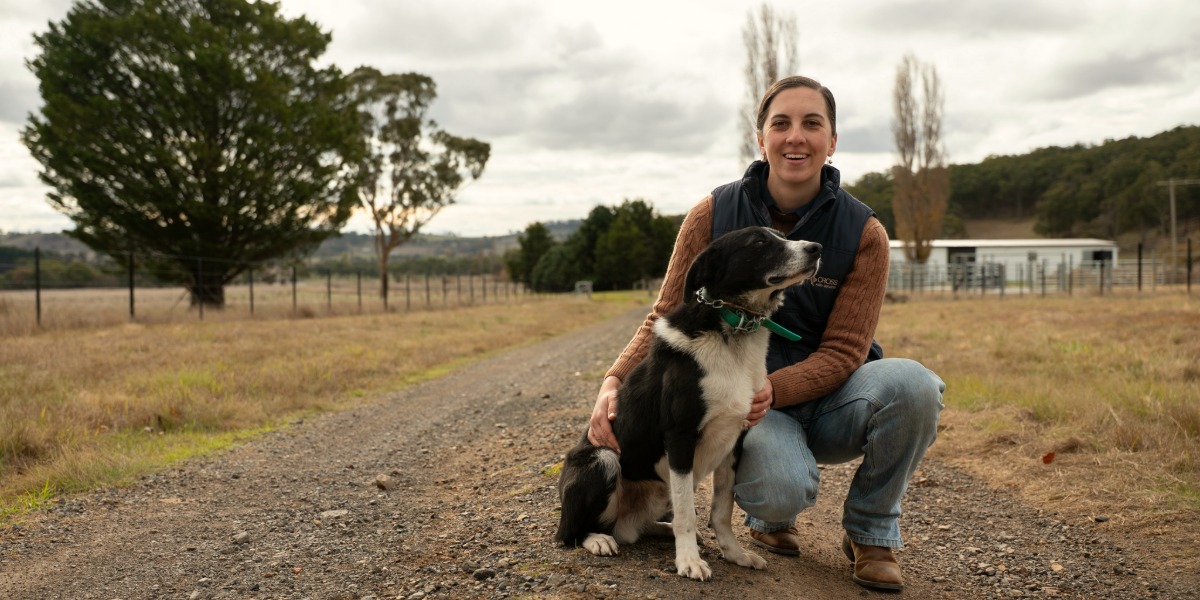
Policies, procedures and paperwork all have an important place on Australian farms.
But according to Glen Innes cattle farmer Katie Saul, they are only effective when they are backed by something far more influential, people who genuinely care about one another.
This National Farm Safety Week, Ms Saul is reminding the agricultural industry that paperwork alone won’t keep people safe. Lasting safety culture is built when people understand the “why” behind every procedure and look out for one another every day.
“Safety has to be more than tick and flick,” Ms Saul said.
“It’s easy to complete a form or go through the motions, but real safety happens when people genuinely care about the wellbeing of the people they’re working alongside.”
Working across livestock production and farm operations on her Glen Innes property, Ms Saul has seen firsthand that the strongest safety cultures are built through trust, communication and everyday leadership.
“People disengage with paperwork when it becomes something they simply have to do,” she said.
“We need to make safety feel personal. Every procedure exists because it’s designed to get somebody home safely at the end of the day.”
As part of Farmsafe Australia’s “Set the Standard: Show ’em how it’s done” campaign, Ms Saul is encouraging farmers and business owners to think beyond compliance and focus on creating workplaces where safety is demonstrated through everyday actions.
“I don’t think people realise how much behaviour gets copied,” she said.
“What leaders do every day has a huge influence on the people around them.”
“If people are role modelling safe behaviours throughout the business, that becomes the culture. People begin to understand that safety isn’t just another task, it’s simply how we work.”
For Ms Saul, leadership isn’t measured by policies sitting on a shelf but by the standards people demonstrate every day.
“Visible leadership matters,” she said.
“Simple things like wearing a helmet, putting on a seatbelt, communicating properly and taking the time to look out for each other all send a really powerful message.”
She believes the strongest safety cultures are built when workers understand the purpose behind every procedure.
“It’s really important our workers understand why we have these procedures in place,” she said.
“When people understand the reason behind them, they’re much more likely to embrace them.”
Ms Saul said farming would always involve risk, but the way people responded to, and mitigated, those risks ultimately shaped the culture of a workplace.
“We care deeply about our animals, our people and our farms,” she said.
“Good safety culture comes from looking out for one another. It’s built through trust, communication and the small decisions we make every day.”
Farmsafe Australia Chair Felicity Richards said safety culture could never rely on compliance alone.
“Paperwork and systems are important, but they’re only one part of the picture,” Ms Richards said.
“The strongest farming businesses are those where people genuinely care about one another and feel comfortable speaking up, asking questions and challenging unsafe decisions.”
“When leaders consistently demonstrate that safety matters, people don’t follow procedures because they have to, they do it because they understand the purpose behind them.”
“That’s the kind of culture that protects people, strengthens businesses and helps ensure everyone gets home safely.”
“Set the Standard: Show ’em how it’s done”, Farmsafe Australia’s National Farm Safety Week campaign, runs from Sunday, 19 July to Saturday, 25 July.
For more information and resources, visit Farmsafe Australia. The 2026 Safer Farms Report is available at farmsafe.org.au/safer-farms-report-2026.
Read all the way through to the end of the story? So did lots of other people. Advertise with New England Times to reach New England locals who are interested and engaged. Find out more here.