

Widespread criticism has greeted the Coalition’s proposed overhaul of Australia’s migration system announced this week, with local voices joining those concerned at the policy.
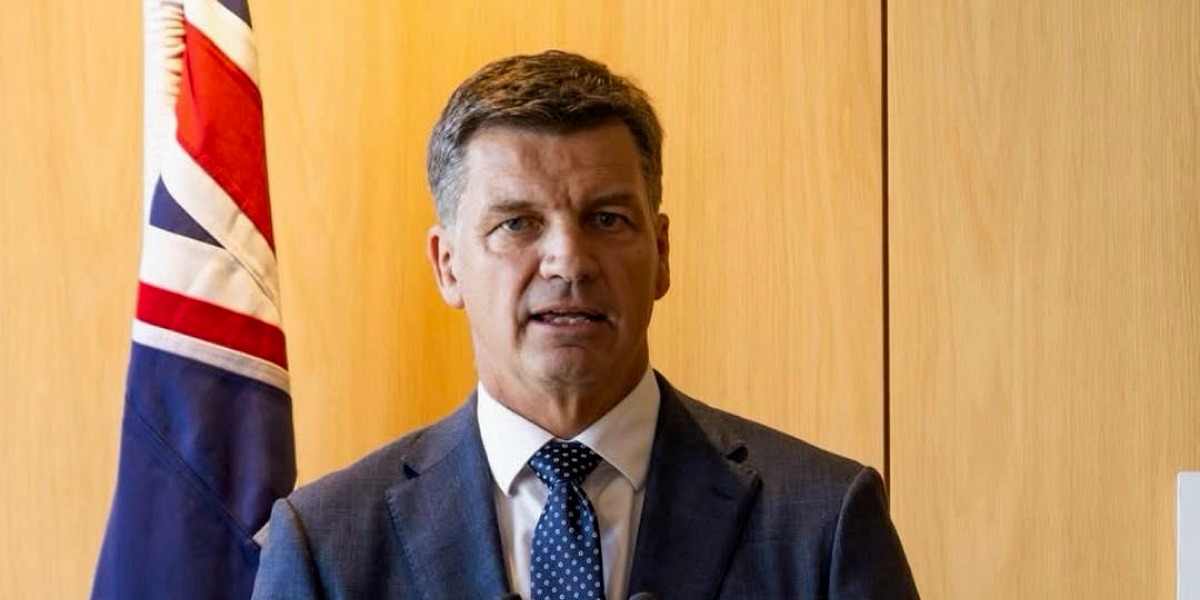
Unveiled this week by Opposition Leader Angus Taylor, the “Australian Values Migration Plan” would enshrine a values test in law, allowing visas to be refused or cancelled if migrants are deemed not to uphold prescribed Australian values. It also proposes stricter screening, a crackdown on asylum claims and new powers to remove visa holders who breach those standards.
Critics have labelled the policy everything from “dog-whistling” to “dangerous garbage”, arguing it politicises a system that has long operated on non-discriminatory principles.
The Coalition argues the changes are necessary to restore confidence in the migration system, which it claims has been weakened by high intake numbers and insufficient scrutiny.
“The Coalition will pursue a values-based migration scheme that puts Australian values first, and shuts the door to those who hate our country or abuse our legal system to stay here without a right to do so,” the policy states.
Under the plan, compliance with the Australian Values Statement would become a binding visa condition, with breaches forming grounds for cancellation or refusal.
But in regional Australia, where migration has long been a lifeline for workforce shortages and population decline, the reaction has been more complex.
Nationals stuck between their community and a Coalition agreement
Federal Member for Parkes Jamie Chaffey publicly backed the policy, as he is required to do as a front bench member, while acknowledging the realities facing communities like those across the New England.
“There is obviously significant concern with the level of migration in Australia, and the Australian Values Migration Plan addresses this very real concern,” he said.
“The central issues of this plan are: Putting Australian values first; shutting the door to system abuse; and showing a red light to radicals.”
At the same time, Mr Chaffey pointed to the critical role migrants play in sustaining regional economies.
“A key factor in the electorate of Parkes and beyond is the importance of skilled migrant labour,” he said.
“In this vast electorate, people who have migrated from other countries bring much-needed skills with them in a variety of areas, including agriculture, mining, aged care, childcare and a number of other areas. We need to match skill sets with the postcode that needs them.”
There are numerous examples of regional communities fighting for the refugees that have found safety and a new life here, including many that National Party MPs have helped fight for them, providing more contradiction and discomfort for the junior Coalition member.
This includes the Atep family who faced deportation to Papua New Guinea 5 years after making Bingara their home, and were given a reprieve after direct advocacy from then National Barnaby Joyce.
The well known “Home to Bilo” Maraguppan family also counted former Nationals Leader David Littleproud amongst their strongest advocates.
The policy announcement also comes just weeks after a report on the success of refugee settlement from the Settling Well project, which found both the refugees and the regional towns they settle in gain significantly from their arrival. Locals told the researchers that refugees boost the working age population, fill workforce gaps and allow businesses to remain open.
That reality underscores what critics say is a central contradiction in the Coalition’s policy: tightening migration settings at a time when regional Australia is increasingly dependent on it.
Labor has seized on that point, questioning which sectors would bear the cost of reduced migration and stricter controls.
“Who’s going to lose doctors, who’s going to lose nurses, who’s going to lose aged-care workers?” frontbencher Pat Conroy said.
“Lacking in humanity”: Sanctuary speaks out
For community organisations working directly with refugees, the response to a policy contradictory to everything they have been working towards has been far more direct.
Representatives of the committee at Armidale Sanctuary, a volunteer group that has supported refugee settlement in the region since 2003, described the policy as “divisive, discriminatory, fear-driven and lacking in humanity.”
They also rejected the suggestion that migrants from non-Western or non-liberal democratic countries pose a greater risk to Australia, arguing it runs counter to both history and lived experience.
“The argument appears to be that the lack of lived experience in such a political system would be a risk to Australia. That is certainly not the historical experience of refugees and migrants coming to Australia and does not resonate with our own experience in Armidale.”
Drawing on local examples, the group said the success of refugee settlement in Armidale demonstrates the opposite.
“Since arriving, our Ezidi community have settled well into community life, working in places such as the Costa Tomato Farm, or starting businesses such as Roj and the barber shop among others,” representatives said.
“Our recent Congolese refugees are also finding their feet and a warm community through the Baptist Church. Many are already working or studying,” representatives said.
They pointed to the story of Amera Ali Khudera as a powerful example of both resilience and contribution.
“Recently, we were proud to assist Amera Ali Khudera to write and publish her book about her experiences as a captive of ISIS as a young girl,” they said.
“Members of Sanctuary accompanied her to Sydney where she was invited to launch her book and speak to an International Women’s Day event. She is studying law at UNE.”
Others were achieving great heights of achievement in sport.
“Former refugee to Armidale, Makuach Maluach, is a valued member of the Sydney Kings basketball team that won the recent NBL competition.”
“A young friend of a committee member is currently in Melbourne doing tryouts for the Young Matildas soccer team. She was born here but her father came from DRC as a refugee about 25 years ago as a teenager. He is now a much sought-after school teacher in Maths, Science and ESL and a talented soccer coach.”
“These are just a tiny number of stories from our small community and represent many other good news stories across the country.”
Armidale has been widely regarded as a gold standard for regional refugee resettlement, with its success used as a model for other communities seeking to address population decline and workforce shortages.
“Our community has been enriched rather than threatened by these new members.”
Got something you want to say about this story? Have your say on our opinion and comment hub, New England Times Engage