

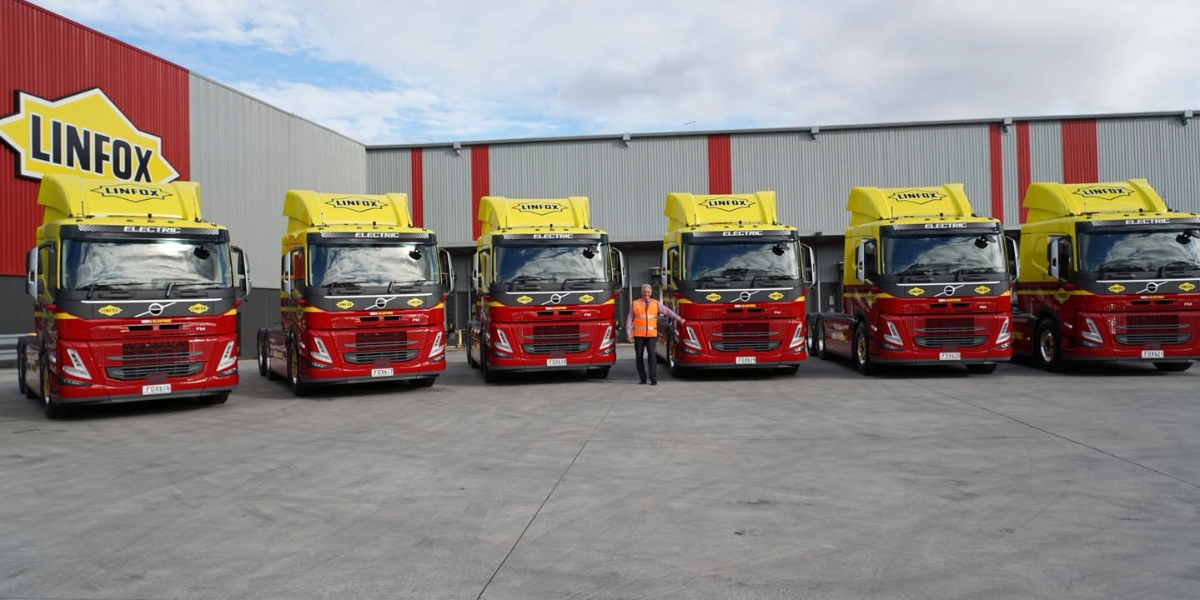
War in the Middle East and associated spiralling diesel costs could spell the perfect time for truck fleets to keep edging closer to electrification.
On Tuesday, the NSW government announced an expansion of heavy vehicle electrification incentives as part of its EV roadmap, along with investment in more fast chargers and kerbside charging stations for cars.
Australia’s trucking industry has been relatively cautious taking up electric models, and the heavy vehicle peak body’s boss said there was no better time for fleets to start deciding if battery power was the way forward.
“There’ll come a time when it makes absolute sense to change, (but) it’s not there yet,” Heavy Vehicle Industry Australia head Todd Hacking told AAP.
“But with the war in Iran, now’s a really good time to take stock and investigate exactly where you’re at.”
Under the current NSW incentive, only 4.5 tonne trucks are eligible, but the expansion will increase the threshold to vehicles up to 23 tonnes.
The trucking industry’s gradual transformation will mean a more resilient economy for decades, the premier told reporters.
“(That will) further take us away from our dependence on Middle Eastern oil and electrify our economy,” Chris Minns said.
“We’re rated as the best state … when it comes to electric vehicle investment and government strategy, but we want to double down.”
Mr Hacking said the ramping up of electric truck production in China was likely to permanently shake up Australian trucking.
“We will see more brands in Australia in the truck market than we’ve ever had before,” he said.
“That is a good thing. Competition in the market breeds better solutions.”
In the more mature personal transport market, EVs make up about 15 per cent of new car sales in NSW.
The government says switching to an EV from a petrol-run vehicle can cut fuel costs by up to $3000 a year, or entirely if using home solar, making the choice an economic one for those frustrated at the bowser.
Alongside more fast chargers in regional blackspots, more kerbside charging stations will be built to help those who cannot charge at home, such as apartment residents.
The government will also invest in training for 2000 regional mechanics so country drivers can have their vehicles safely looked after closer to home.
State opposition leader Kellie Sloane said the government’s roadmap was a step backwards for motorists and does nothing to protect from future fuel shocks.
“”This is not a strategy. It is a smokescreen. A classic Minns Labor government attempt to distract from three years of missed opportunities on EV infrastructure,” Ms Sloane said.
What do you need to know to get through the fuel crunch?
Tell us what information you need to make it through the fuel shortage crisis. Suggest a story!
Read other fuel crunch stories here.
Put your business in a story like this – find out more here.