

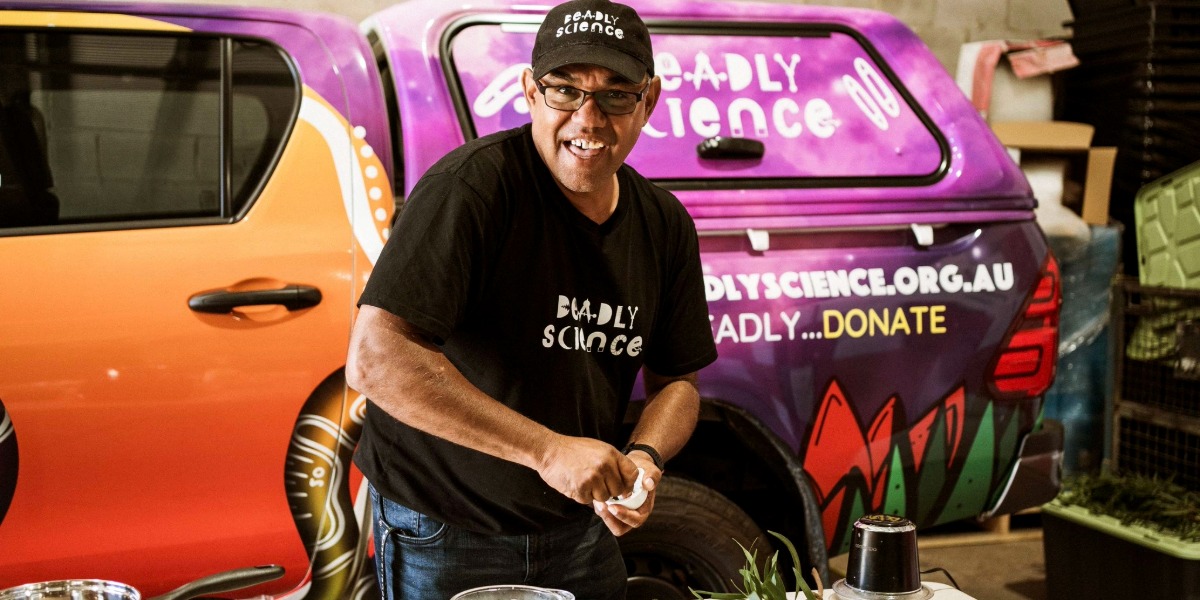
Girls in Gunnedah, Manilla and Quirindi will be at the centre of a statewide celebration next week, as culturally grounded STEM workshops roll into New England schools for NSW Women’s Week.
While NSW Women’s Week runs from 2 to 8 March across the state, culminating on International Women’s Day, it is in regional classrooms that some of the most hands-on and future-focused events will unfold. Students at Gunnedah High School, Manilla Central School and Quirindi High School will take part in Deadly Science classes designed to inspire more young women — particularly Aboriginal girls — to see a future for themselves in science, technology, engineering and maths.
Supported by the NSW Government, the Deadly Science workshops focus on culturally relevant STEM education. Instead of abstract theory, students will engage in practical activities such as making bush soaps and learning about native plants used in community health, linking science with culture, Country and real-world problem solving.
The initiative comes at a time when women remain significantly underrepresented in STEM study and careers. Encouraging girls in regional and rural areas to pursue science subjects early is seen as critical to shifting that balance.
Corey Tutt, CEO and founder of Deadly Science, said the program was about making STEM meaningful and accessible.
“Deadly Science delivers hands-on STEM learning that connects science and innovation with culture, Country and real-world problem solving,” he said.
“Our goal is to inspire students through practical activities, strengthen confidence in STEM, and create pathways for young people—especially First Nations students—to see futures for themselves in education, research and STEM careers.”
For students in the New England region, access to specialist STEM programs can sometimes be limited by geography. Programs like Deadly Science aim to bridge that gap, ensuring regional girls have the same opportunities to explore science pathways as their metropolitan peers.
“It’s vital that young women can see themselves in STEM,” Mr Tutt said.
“By breaking down stigma and showing girls that STEM is for them, we empower them to follow their passions and build futures in science, technology, engineering and maths. When girls are supported in STEM, everyone benefits.”
The workshops form part of a broader NSW Women’s Week program funded through state grants and delivered by community organisations. Across NSW, events range from bushwalking initiatives to improve women’s health and wellbeing, to business mentoring sessions for women from culturally and linguistically diverse backgrounds and low-income groups, as well as menopause wellness forums and accessible art exhibitions.
The week will culminate in the 2026 NSW Women of the Year Awards on Thursday 5 March, recognising inspirational women and girls who have made significant contributions to their communities. Finalists include women working in medicine, law, health and agriculture, alongside young girls aged seven to 15 recognised in the “Ones to Watch” category for achievements in philanthropy, sport, science, arts and music.
Minister for Women Jodie Harrison said NSW Women’s Week was about recognising women’s contributions in every community.
“NSW Women’s Week is about celebrating the achievements of women and girls right across our state and recognising the many ways they contribute to our families, workplaces and communities,” she said.
“This Women’s Week, the NSW Government is supporting community-led events to create opportunities for women and girls of all ages and backgrounds to connect, be recognised and feel empowered.”
Got something you want to say about this story? Have your say on our opinion and comment hub, New England Times Engage