
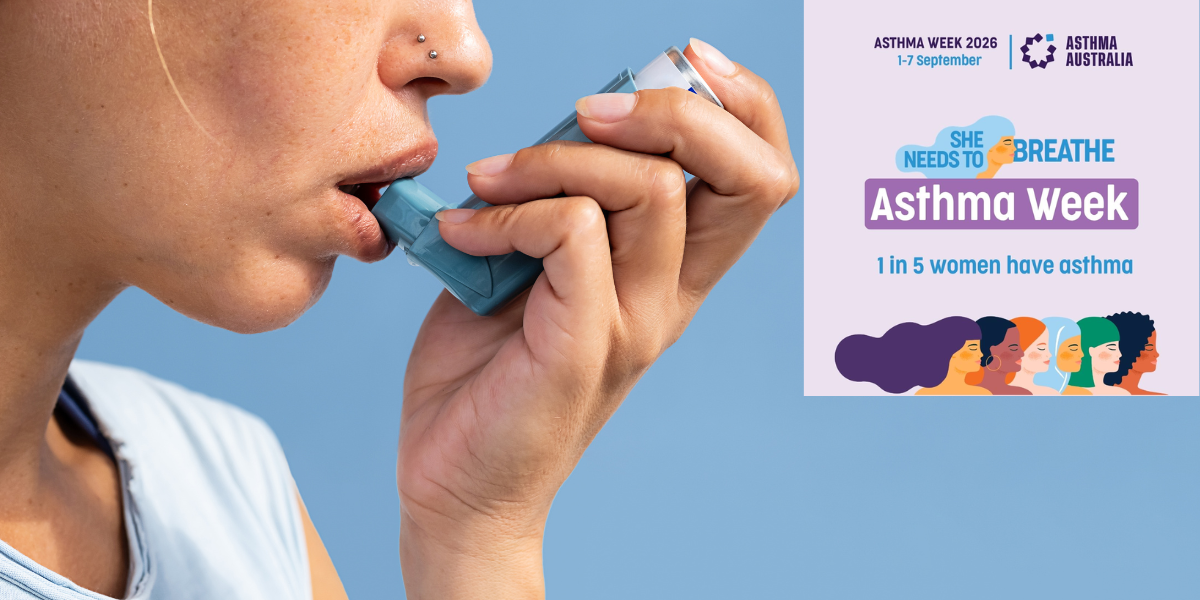

Asthma Australia is calling on New England women to pay closer attention to their breathing, as the charity’s national Asthma Week campaign turns its focus to women’s health from Monday, 1 September to Sunday, 7 September.
Health
Posted inArmidale, Barraba, Feature, Health, Housing, NSW Politics
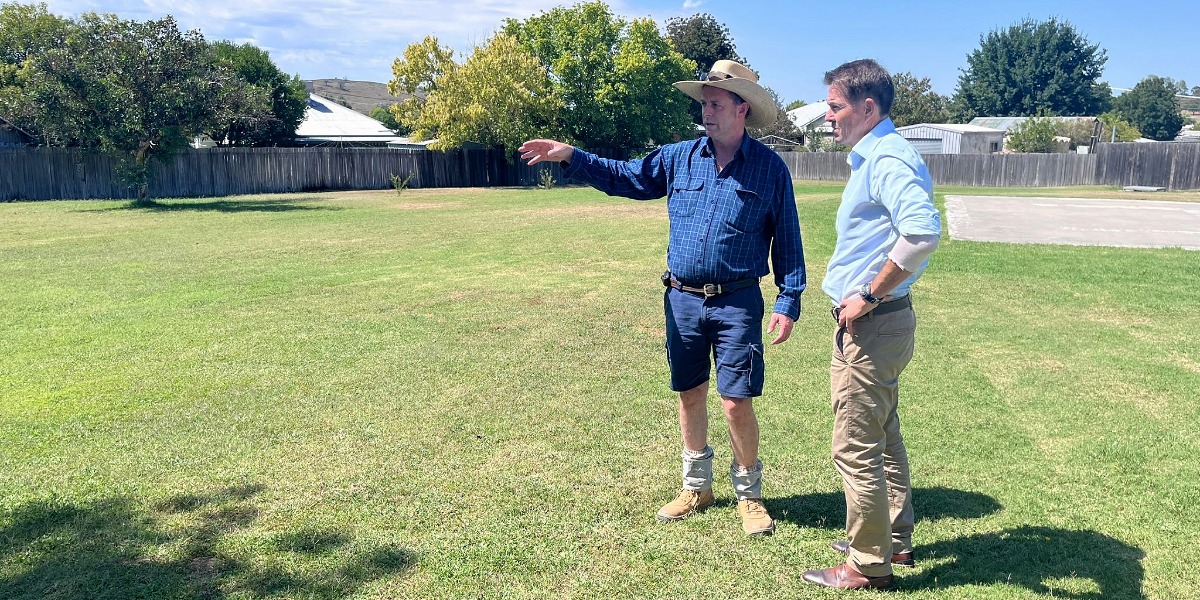
Barraba pushes for health worker housing amid regional drive

Barraba says it’s missing out on health worker housing while Armidale gets a $200 million upgrade. The local MP wants that to change.

Posted inArmidale, Good News, Mental Health, Narrabri
Local psychologist named among nation’s emerging agricultural leaders
A local clinical psychologist has been recognised as one of the nation’s most promising agricultural leaders, after being named a recipient of the 2026 AgriEmpower Scholarship Program.
Posted inFundraiser, Health, Sport and fitness events
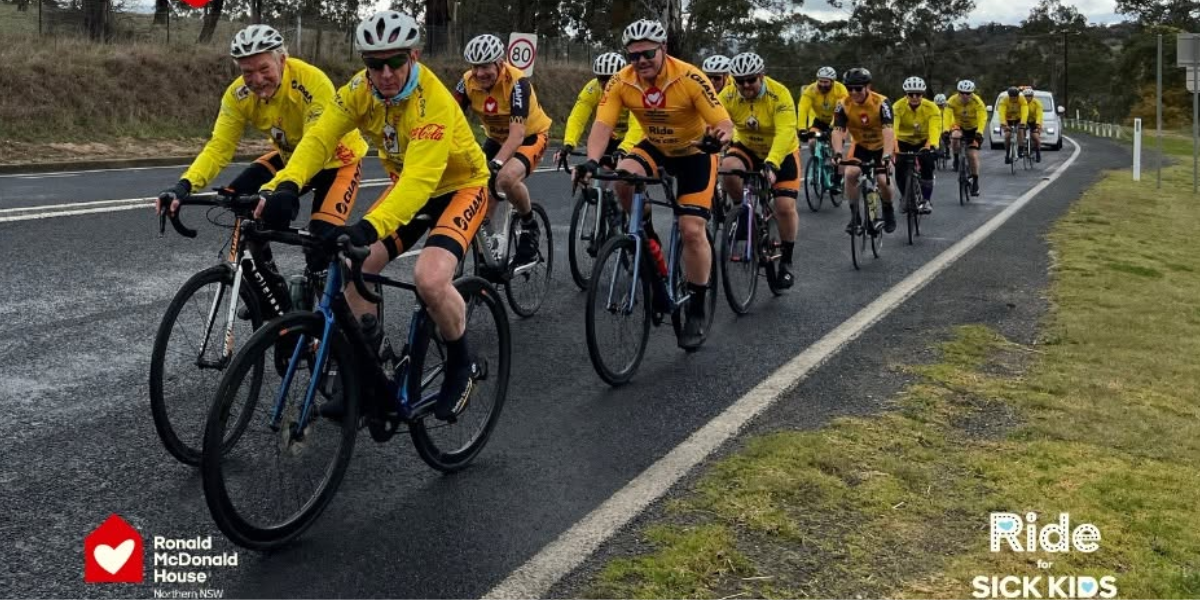
Tamworth boy’s ride comes full circle for Ronald McDonald House
A Tamworth boy whose family once relied on Ronald McDonald House Northern NSW is now getting on his bike to help other families in the same situation.

Posted inArmidale, Feature, Fundraiser, Health
Community urged to back Armidale’s nurses and midwives ball
Organisers of Armidale’s first Nightingale Ball are calling on the community to buy tickets and offer sponsorship, with just 10 tickets sold so far and a deadline fast approaching.

Posted inGrants and funding, Health, NSW News
$15m boost for Flying Doctor Service

The Royal Flying Doctor Service is set for a second year of $15 million in NSW Government funding, as a Barwon MP pushes for a longer-term deal to keep it flying.
Posted inHealth, Long Read
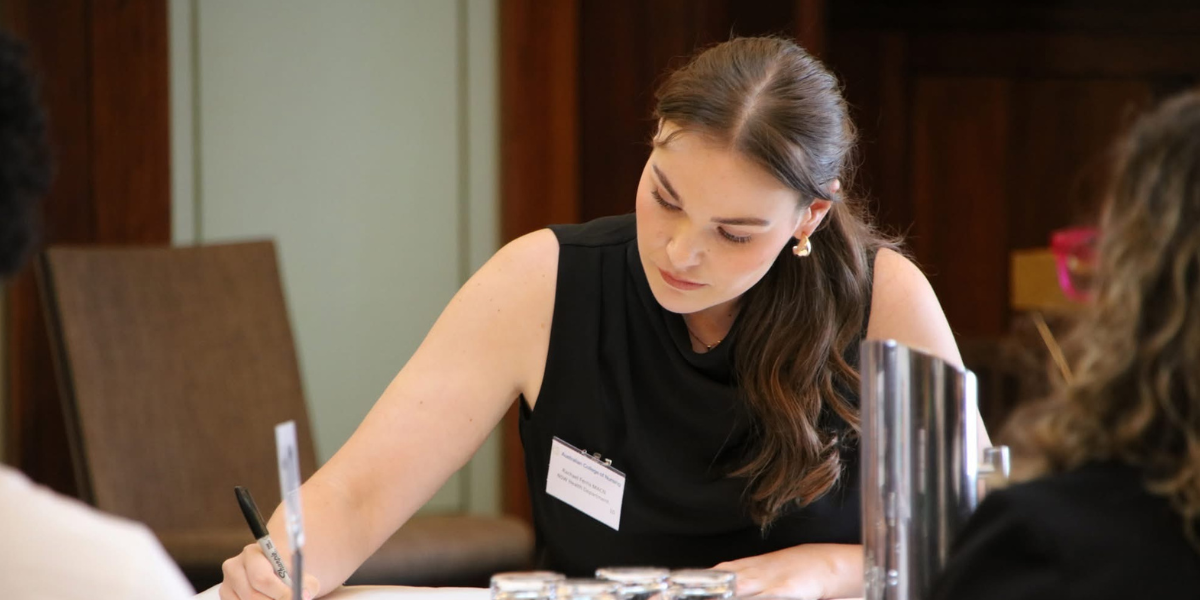
Armidale nurse takes rural retention message to national stage
An Armidale nurse has used a national platform to push for the governance changes needed to keep nurses working in rural and remote communities.
Posted inGood News, Health
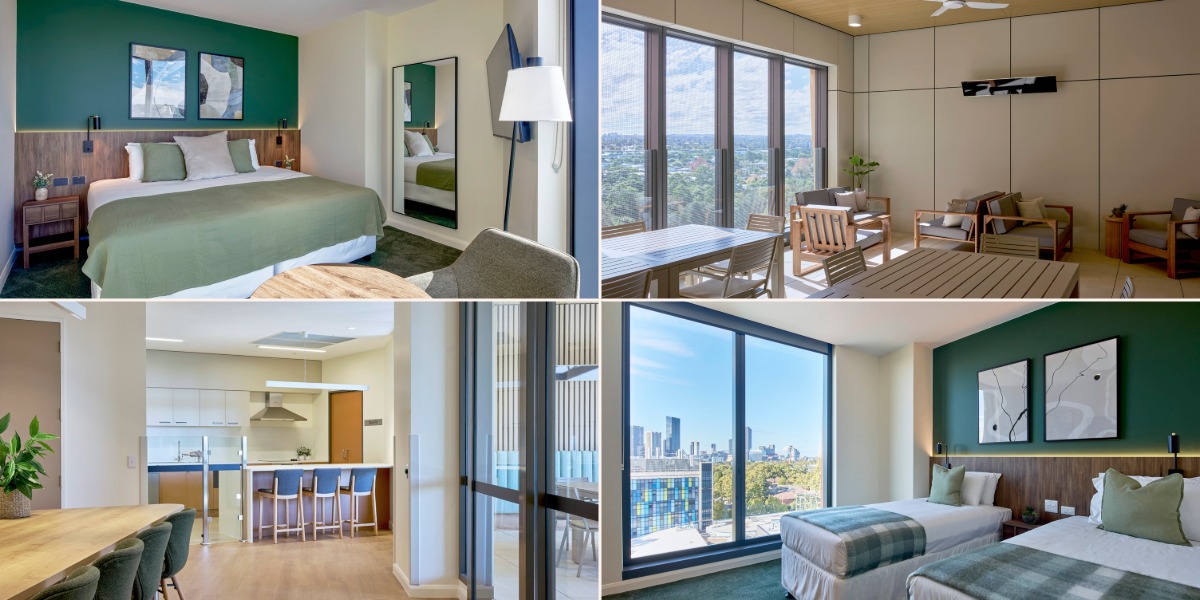
New Westmead accommodation aims to ease the burden on regional families
Families from the New England facing a hospital stay at Westmead now have somewhere to stay close to their sick child, with a new Ronald McDonald House facility open at the Children’s Hospital.
Posted inFederal Politics, Health, NSW Politics, Wee Waa
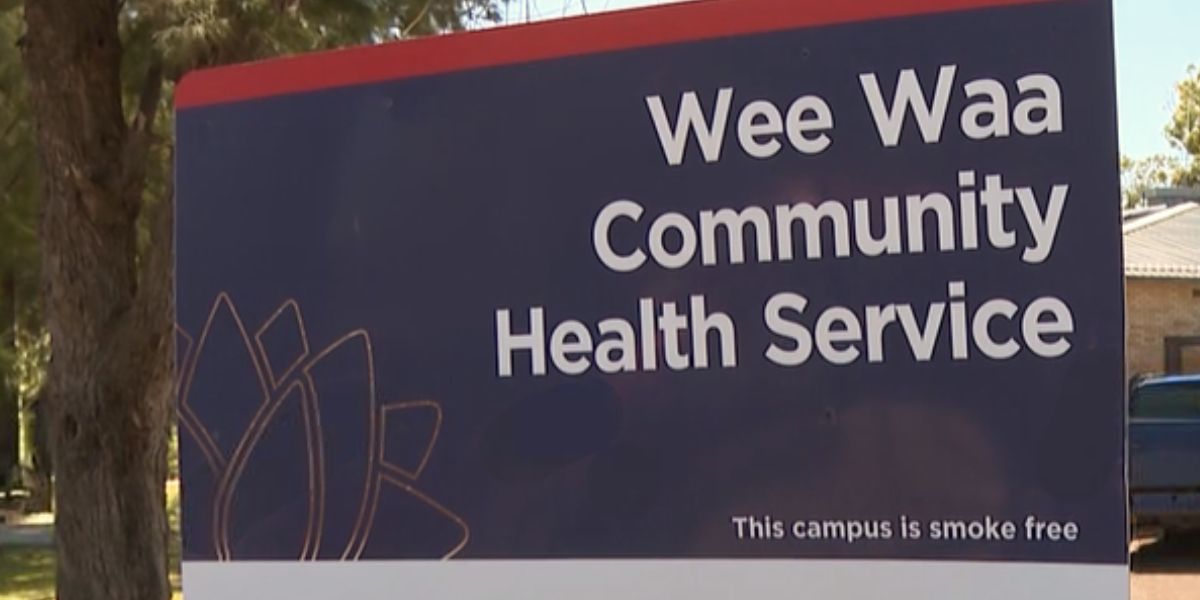
Wee Waa Health Service extends opening hours after years of lobbying
Wee Waa Health Service is extending its hours to 7am to 10pm from October, more than three years after a staffing crunch forced them back. But the fight for a full emergency department isn’t over yet.
Posted inHealth, Liverpool Plains Shire
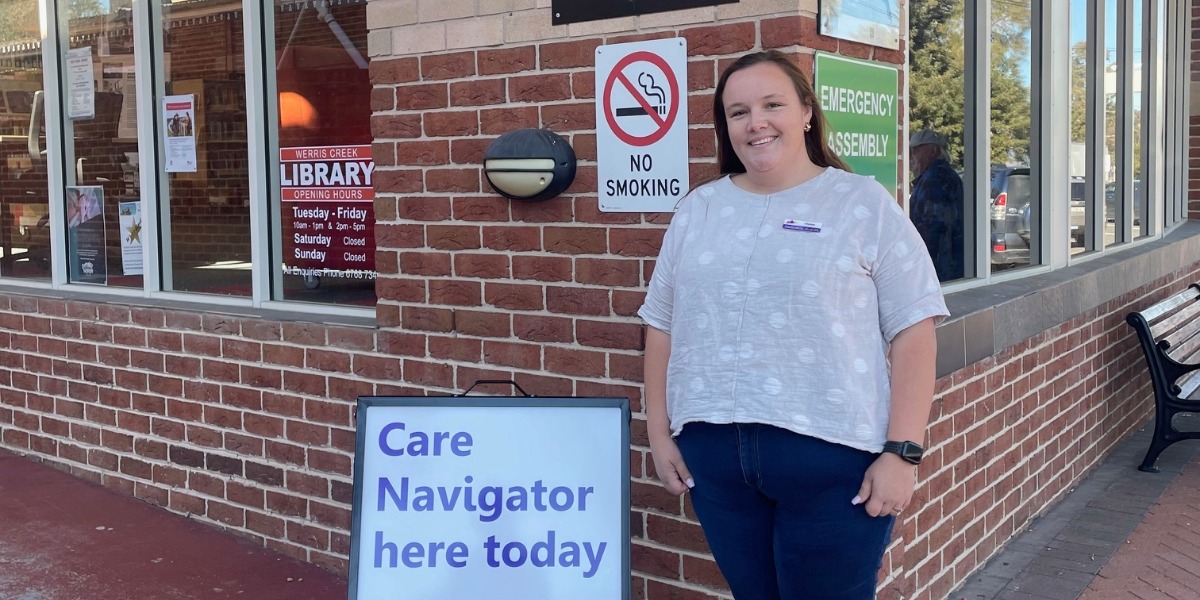
Care Navigator service rolls out to Liverpool Plains
A free Care Navigator has landed in Liverpool Plains, following a similar rollout in Wee Waa. Here’s where to find them, and how they can help you cut through the health system.