

“You cannot treat a patient with a parliamentary recommendation.” That is the message from the National Rural Health Alliance (NRHA) after a Senate inquiry into rural, regional, and remote Medicare access and funding.
The NRHA, which contributed to the inquiry, has welcomed its findings but wants the Federal Government to turn its recommendations into funded, measurable action.
The alliance says the recommendations are sound and “hit the nail on the head”. It thanked the Rural and Regional Affairs and Transport References Committee, its chair Senator Ross Cadell, and Senator Matt Canavan, who initiated the inquiry.
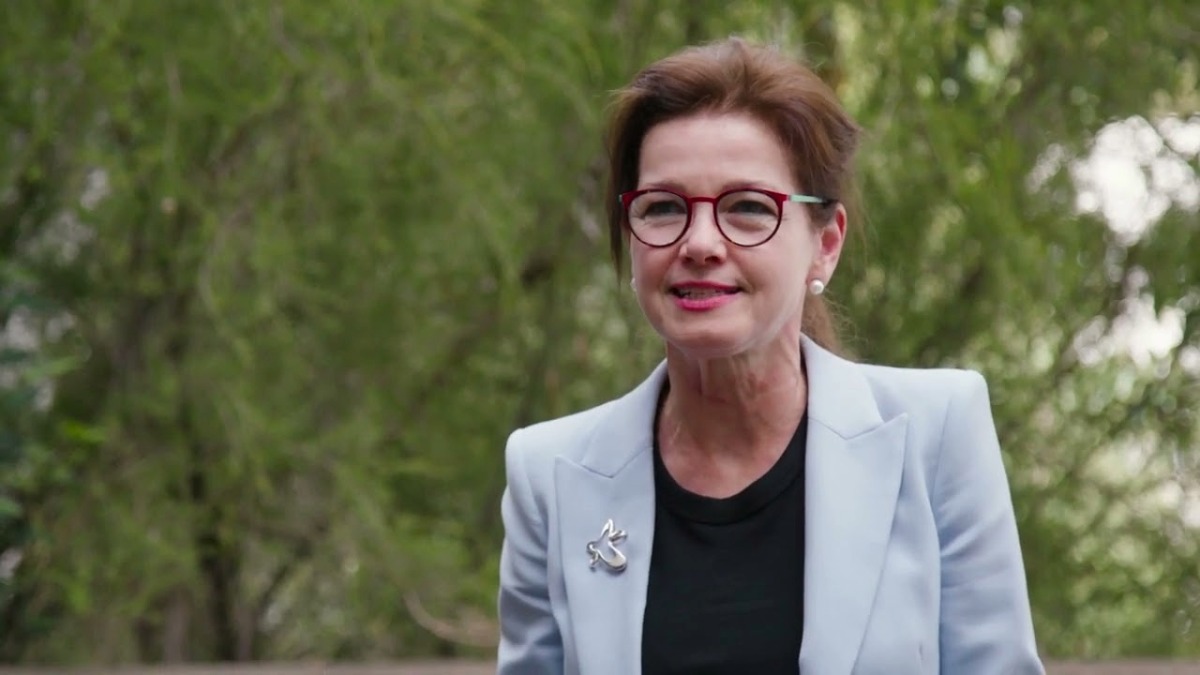
“With an annual healthcare expenditure disparity of $9.23 billion, rural Australians cannot afford another report gathering dust,” said NRHA Chief Executive Susi Tegen.
“A recommendation without a budget, timeline, or accountable decisionmaker is an aspiration, not a reform.”
The NRHA welcomed proposed reforms to recognise thin healthcare markets, increase rebates for longer consultations, and change MyMedicare to better reflect how health care is delivered and accessed in rural communities.
But Ms Tegen said current funding arrangements were working against rural health workers.
“Governments cannot champion prevention, multidisciplinary care and full scope of practice while maintaining funding arrangements that undermine the ability of rural and remote health professionals to deliver that care sustainably,” she said.
“Medicare must work for rural communities, rather than expecting rural communities to fit a funding model designed for the cities, resulting in less services for rural people.”
The inquiry backs the alliance’s long-running calls for a National Rural Health Strategy with funding attached, national benchmarks defining reasonable access to care, and a Rural Health Innovation and Evidence Hub.
The NRHA wants the government to respond to the recommendations within three months, fund their implementation in the 2027–28 Federal Budget, and report publicly on progress every year.
“Every rural and remote Australian is missing out on an average of $1,218 in annual healthcare expenditure compared with their metropolitan cousins,” Ms Tegen said.
“The success of this inquiry must not be measured by how many recommendations the government accepts, but by how many more rural Australians can access timely, affordable and appropriate healthcare.”
“It is time to stop documenting rural health inequity and start funding its solution.”
Don’t miss any of the important stories from around the region. Subscribe to our email list.