

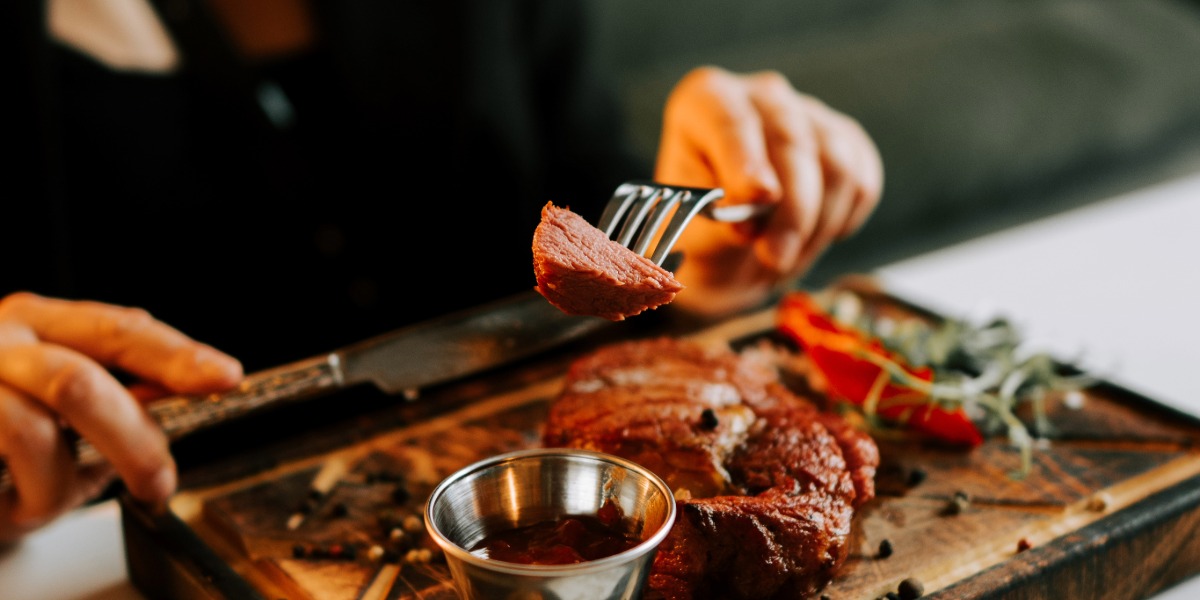
One in three young Australian women do not have enough iron stored in their bodies, and Meat & Livestock Australia (MLA) is using Iron Awareness Week to put red meat in the spotlight.
MLA says those women are also eating just half their recommended daily iron intake. Iron Awareness Week runs from Monday, 12 October, to Sunday, 18 October.
Iron deficiency remains one of the world’s most common nutritional concerns. MLA is taking its message to healthcare professionals, consumers, and key international markets, with a focus on iron-rich foods as part of a healthy, balanced diet.
“Iron is essential for maintaining energy levels, supporting cognitive function and keeping our bodies healthy, yet many young Australian women are not getting enough,” said MLA Group Manager for Food and Nutrition Monique Cashion.
“Lean red meat is one of the richest dietary sources of highly absorbable haem iron, making it an important food for people looking to meet their nutritional needs.”
“With one in three young women having insufficient iron stores, we want to help Australians better understand where their iron comes from and how simple dietary choices can make a difference.”
MLA has partnered with healthcare media platform Ausdoc to send educational resources to general practitioners across Australia. One in three GPs has already engaged with the resources, which are designed to support conversations with patients about iron intake.
Educational videos are also playing on 926 GP clinic screens nationally, taking the message into medical waiting rooms.
“GPs regularly see patients presenting with symptoms such as fatigue and low energy, which can be associated with iron deficiency,” Ms Cashion said.
“Providing healthcare professionals with credible nutritional information helps ensure patients receive practical advice about the role iron-rich foods, including lean red meat, can play in their diets.”
MLA is also targeting consumers on Facebook, Instagram, and TikTok. Animations, infographics, and educational posts will explain the difference between haem iron in animal foods and non-haem iron in plant foods. They will also offer practical tips on working lean red meat into balanced meals.
The campaign reinforces Australian dietary guidance on eating lean red meat in moderation as part of a varied, healthy diet.
It is also reaching key red meat export markets across Asia and the Middle East. In South Korea, research has highlighted anaemia concerns among middle-aged and older women. The Middle East’s growing wellness sector is creating opportunities to promote the nutritional benefits of Australian beef and lamb.
“Australian red meat has a compelling nutrition story to tell, both at home and internationally,” Ms Cashion said.
“By taking this message into medical clinics, onto social media and into our international markets, we’re helping consumers make informed food choices while reinforcing the value of Australian red meat.”
Something going on in your part of the New England people should know about? Let us know by emailing newsdesk@netimes.com.au