

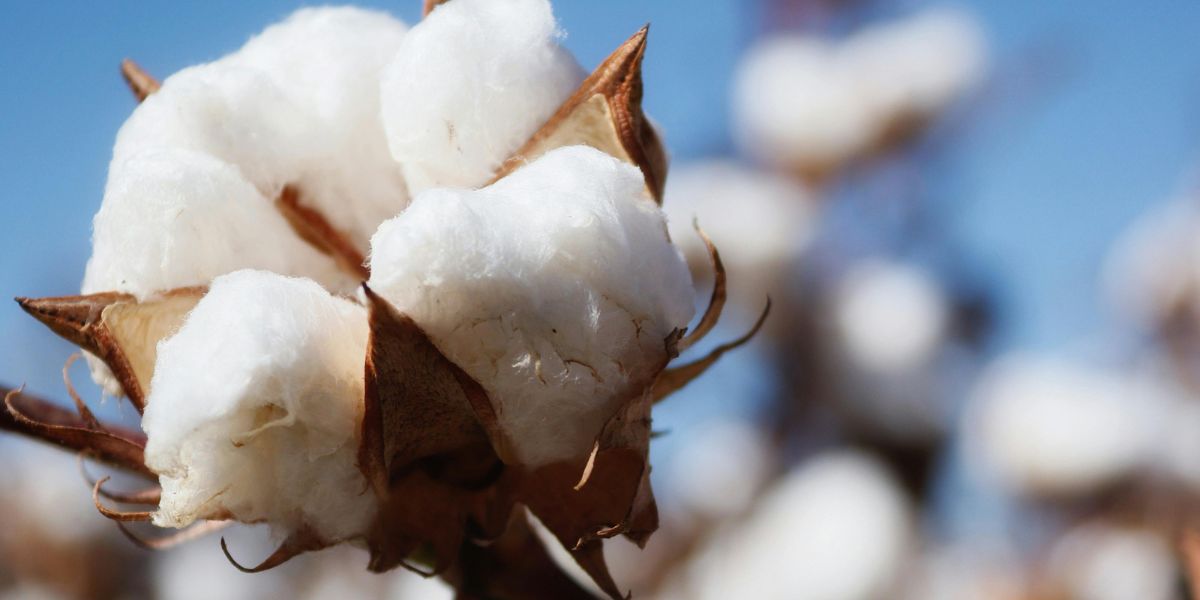
Cotton growers in the Gwydir and Mungindi are heading into planting with less water than last season, as the industry braces for a drier year and a much smaller crop.
Planting is underway for Australia’s 2026-27 cotton crop, with a few early starters in Northern NSW taking advantage of favourable conditions. Most regions will begin planting after the October long weekend.
The Bureau of Meteorology is forecasting a drier season, and reduced water allocations and ongoing dry conditions are limiting planting across many cotton-growing regions.
Growers across the Gwydir, St George, Dirranbandi, and Mungindi are facing lower water allocations than last season, along with the Darling Downs, Macquarie, and Southern valleys. The Macintyre Valley is expecting a significantly reduced crop.
Cotton Australia CEO Adam Kay said the national crop forecast was around 2.7 million bales, down from 4.5 million bales last year, with an estimated value of about $2.1 billion.
“This year we are expecting about 265,000 green hectares to be planted which is lower than the last few years,” Kay said.
“While cotton prices remain relatively strong, access to water is the biggest driver of planting decisions this season.”
“Most valleys are down on allocations this year following a dry winter and limited inflows into storages.”
“As a result, growers are generally taking a more cautious approach to planting and many are reducing their cotton area.”
The dryland cropping area will be hit particularly hard, and will be minimal in many regions unless significant rain arrives during the planting window.
Despite the tough outlook, planting conditions have generally been good where water is available.
Over the border at St George, grower Lucas Wuersching finished planting on 20 September and already has cotton coming out of the ground.
“We’ve been trying to go earlier and earlier if the weather’s right, and this is a hot, dry year and the temperatures were good,” he said.
“Our theory for starting earlier is to use our water instead of letting it evaporate away and it puts us in a good window around harvest when there’s less chance of storms and cold weather which could delay defoliation.”
“It’s been working really well for us the last couple of years.”
Wuersching has planted about half the area he grew last year, and said many in his region would be down more than that because of lower water availability.
“It’s looking like it’s going to be a dry season, although some people are saying it might break, so you never know,” he said.
“This year we need our crop so we’re not pushing it.”
“We’re going in expecting little to no rainfall and taking a more conservative approach than we might have done in the past.”
Even growers with full allocations are preparing for a tough season. Brisbane Valley grower Wayne Keller is in the middle of planting.
“I think we’re going to have to water more this season,” Keller said.
“I planted dry and have had to water twice to get the crop out of the ground.”
The start of planting coincides with World Cotton Day on Wednesday, 7 October, a global celebration of cotton’s contribution to livelihoods, innovation, trade, and sustainable development.
Cotton Australia is encouraging growers and the wider community to get involved by sharing positive stories, celebrating the people behind the fibre, and showing how cotton is for good.
Like what you’re reading? Support New England Times by making a small contribution today and help us keep delivering local news paywall-free. Donate now