

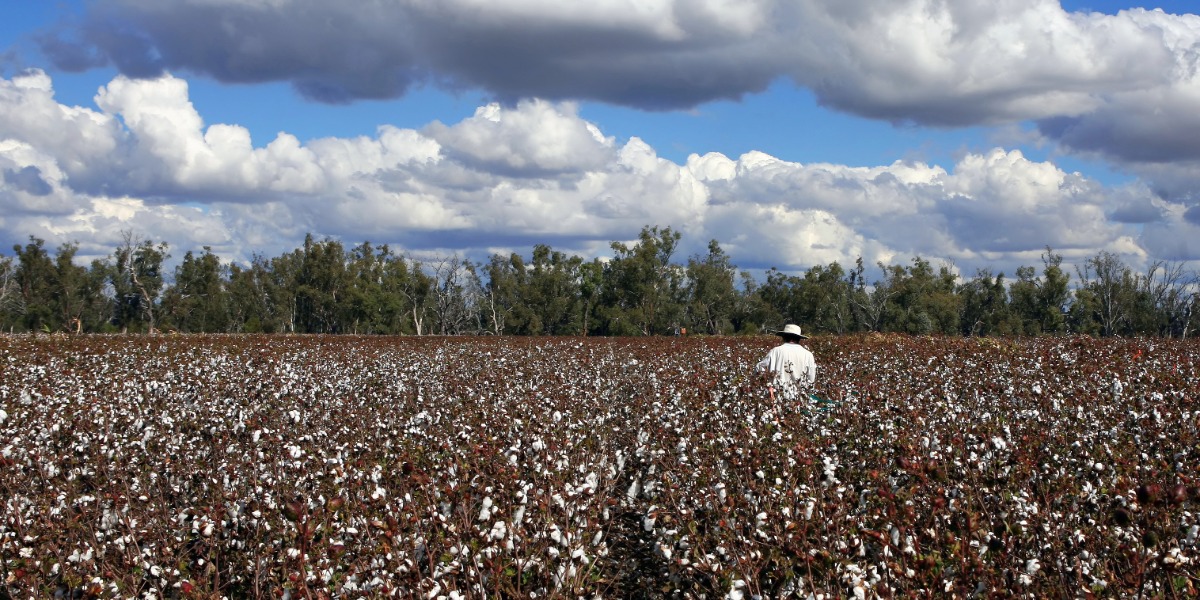
Cotton growers are being warned that uncertainty over Working Holiday Maker visa changes could disrupt the seasonal workforce needed for picking and ginning season.
Cotton Australia has joined other peak industry bodies calling on the Federal Government to provide immediate clarity on changes to the Working Holiday Maker visa program, warning the uncertainty is putting pressure on seasonal workforce planning ahead of the busy harvest and summer periods.
Cotton Australia CEO Adam Kay joined representatives from across agriculture, tourism, accommodation and business at Parliament House this week, as part of a united call for the Government to restore timely and predictable visa processing, explain changes already made, and consult affected industries before further reform.
Mr Kay said the cotton industry depended on a reliable seasonal workforce, particularly during planting, irrigation, picking and ginning operations.
“Most of our cotton growing regions just don’t have the local labour available to fill those seasonal roles which is why backpackers and Working Holiday Makers play such an important role in our industry,” Mr Kay said.
“Working Holiday Makers account for around 25 per cent of the cotton workforce and when the ability to access those workers is restricted, it puts additional pressure on our growers to be able to get a crop in the ground and pick it in a timely manner.
“A majority of growers will be looking to start planting in October, so it’s critical that the Government address these delays now.”
Cotton Australia Chair Liz Stott was one of 24 industry leaders to sign a letter to Prime Minister Anthony Albanese regarding the changes to the WHM program earlier this month, calling for any reform to be developed through consultation with the industries most affected.
Ms Stott, who employs two Working Holiday Makers in her own farming business during picking season, said the workers were extremely valuable to her family’s operation.
“They come and work for us during picking when you need a lot of hands on deck but you don’t have enough work for them for the rest of the year,” Ms Stott said.
“We’ve had a really good experience employing Working Holiday Makers. They fit into our workforce really well, suiting the seasonal nature of our business.”
The reliance on seasonal overseas workers is especially heavy at cotton gins, which service growing regions including the New England North West’s Namoi and Gwydir valleys during harvest.
Southern Cotton Gin General Manager Kate O’Callaghan said gins generally required an additional 50 to 60 workers during ginning season, with backpackers usually making up about 90 per cent of the workforce.
AgriLabour Australia, which helps supply workers to cotton gins throughout the country, estimates around 50 to 70 per cent of the seasonal ginning workforce is made up of Working Holiday Makers and other overseas workers.
“These workers are particularly important in filling seasonal and operational roles, allowing gins to scale their workforce up during the cotton harvest and ginning period,” AgriLabour Regional Manager Michelle Sleeth said.
“The reliance on these workers is especially significant for regional and remote gins, where attracting sufficient local workers during the short, intensive ginning season can be challenging.”
Cotton Australia is seeking a stable, demand-driven Working Holiday Maker program that continues to support regional workforce needs, protects workers, and recognises the Pacific Australia Labour Mobility scheme as complementary rather than interchangeable.
Got something you want to say about this story? Have your say on our opinion and comment hub, New England Times Engage