

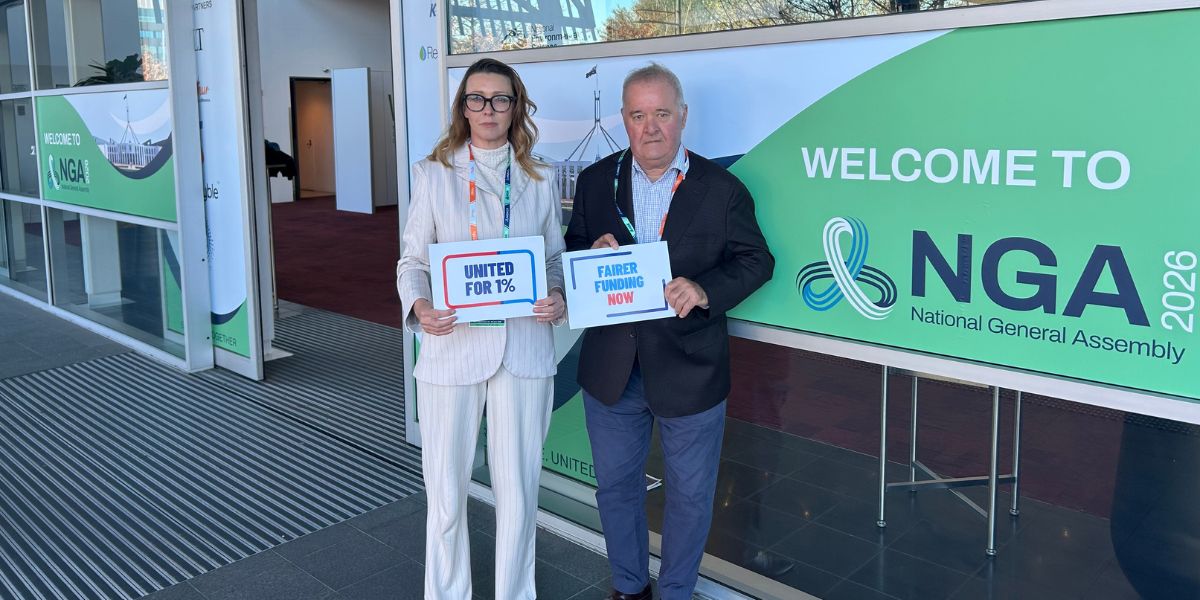
Glen Innes Severn Council has joined councils across Australia in calling for Financial Assistance Grants to be restored to 1 per cent of Commonwealth taxation revenue.
The call came after delegates at the National General Assembly of Local Government overwhelmingly backed an emergency motion seeking an immediate increase in untied federal funding for councils.
The motion was supported by Australia’s 538 councils and reinforced by a joint letter to federal Parliament calling for a $3.5 billion increase in funding to help address mounting financial pressures on local government.
Mayor Margot Davis, Councillor Max Elphick and General Manager Bernard Smith are representing Glen Innes Severn Council at the assembly in Canberra, joining a national campaign for increased funding for local communities.
Financial Assistance Grants have fallen from about 1 per cent of Commonwealth taxation revenue in the mid-1990s to about 0.5 per cent today, despite councils taking on greater responsibilities and facing rising costs.
Davis said councils across Australia had delivered a clear and united message.
“Standing alongside mayors from every corner of Australia, I heard the same message repeated again and again – enough is enough,” she said.
“We are tired of constantly advocating for fairer funding while being asked to do more with less. Local government is now united in demanding the restoration of Financial Assistance Grants to 1 per cent of Commonwealth taxation revenue. This is not about politics; it is about ensuring our communities have the roads, infrastructure, services and facilities they rely on every day.”
“For Glen Innes Severn, we are responsible for a large geographic area, multiple communities and significant local infrastructure, and that untied federal funding matters greatly to our town and villages.”
“A direct consequence of the Federal Government’s position is reduced services, poorer infrastructure and local economies not reaching their potential and the government is responsible,” Davis said.
“Government conveniently is staring down local councils and choosing to turn a blind eye to the dire consequences of their actions. Real people and real communities are suffering.”
The joint letter to Parliament says the decline in untied federal funding is placing increasing pressure on councils, particularly in rural, regional and remote areas where local government often provides infrastructure and services critical to community wellbeing and economic development.
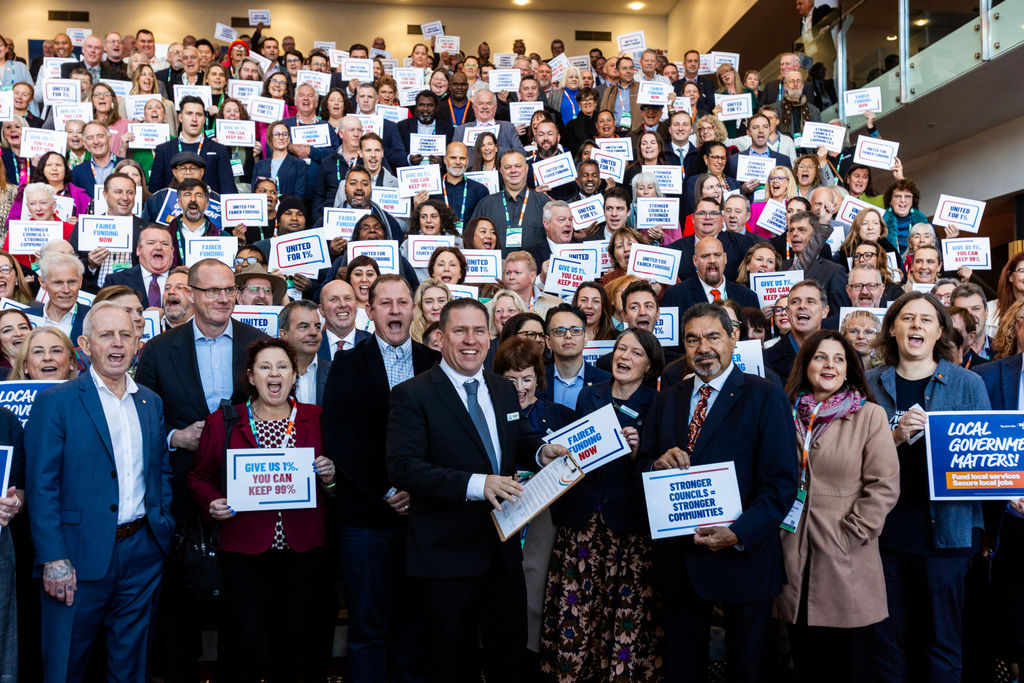
Delegates said the emergency motion reflected growing concern that local government funding had not kept pace with rising costs, increasing community expectations and expanding responsibilities.
Alongside the funding campaign, Glen Innes Severn Council used the National General Assembly to advocate on housing and enabling infrastructure, workforce and skills shortages, regional health outcomes, and community safety.
The council said it would continue working with local government representatives across Australia to advocate for stronger partnerships and sustainable funding arrangements to support the long-term prosperity of regional communities.
Something going on in your part of the New England people should know about? Let us know by emailing newsdesk@netimes.com.au