


Every fortnight, Sophie Fletcher leaves her farm in northern NSW and drives six hours interstate in the hope of growing her family.
The Walcha mother of two has spent years navigating endometriosis, miscarriages and fertility treatment, often without the specialist support available to women in the city.
At times, she has made 10-hour round-trip journeys simply to guarantee same-day blood test results, a journey she says reflects the harsh reality facing many rural women seeking reproductive care.
She estimates the cost of private treatment, travel and lost income has exceeded $100,000 in less than a decade.
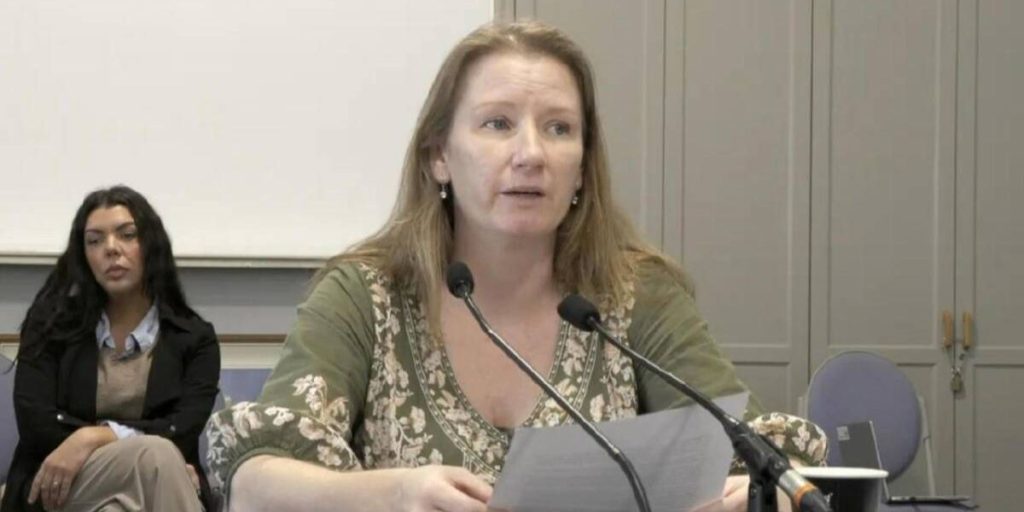
“My experience is not unique,” Fletcher told a parliamentary inquiry into fertility care and assisted reproduction treatment in Tamworth on Wednesday.
“It reflects a broader pattern of inequity, where rural women face increased risk, reduced access, and a level of personal responsibility that would not be expected in metropolitan settings.”
Without local fertility services, Fletcher has been forced to seek specialised treatment on the Gold Coast while managing her own medical records and support networks along the way.
She said the emotional burden could be overwhelming.
“It’s so isolating when you’re going through it,” she told the inquiry.
The inquiry heard rural women are routinely carrying the weight of fragmented healthcare systems, with gaps in maternity and reproductive services deepening outside metropolitan areas.
Continuity of care, where women are supported by the same healthcare team throughout pregnancy and birth, was repeatedly identified as critical for both mothers and babies.
But workforce shortages and the closure of regional maternity units have made that level of care increasingly rare.
Near Armidale, expectant mother Kirra Smith recalled the fear and uncertainty she experienced after significant bleeding during pregnancy.
At each appointment, she had to relive her story with different midwives.
“There was nothing we could really capture to put my mind at ease going into the birth,” Smith told the inquiry.
“Maybe trauma in that birth could have been avoided if I had people I knew and time to have these conversations.”
Rural parenting advocate Jen Laurie said even abortion services had quietly disappeared from some regional communities, including for women facing medical complications.
“That is healthcare, essential health care,” Laurie said.
“There is no debating about that.”
Torie Finnane Foundation chief executive Helen Paine said rural patients were too often left to navigate disconnected systems alone.
The foundation, established in memory of a midwife who died suddenly from an infectious disease after giving birth, works to strengthen maternity care in regional Australia.
“Regional patients … frequently navigate the fragmented care pathways and a dedicated fertility midwife or nurse could coordinate and facilitate all the different aspects of that,” Paine said.
Like what you’re reading? Support New England Times by making a small contribution today and help us keep delivering local news paywall-free. Donate now