

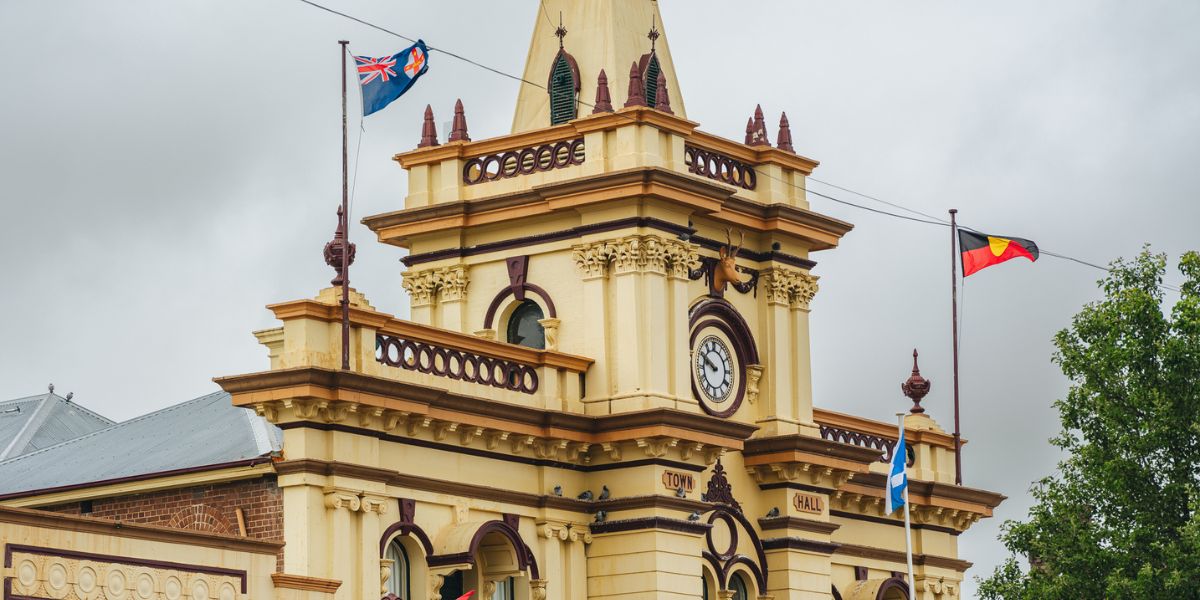
Glen Innes Severn Council has reaffirmed its focus on budget discipline and long-term financial sustainability after endorsing its draft 2026–27 Operational Plan and Budget and revised Long-Term Financial Plan (2025–2035) for public exhibition at an extraordinary meeting today.
General Manager Bernard Smith said the draft plans outlined Council’s operational priorities and long-term financial approach.
“The Operational Plan and Long-Term Financial Plan provide clear direction for how Council will budget, manage cash and deliver services in a disciplined and sustainable way,” Smith said.
“They focus on strengthening financial management, improving cash outcomes and ensuring Council’s plans are realistic and affordable over the long term. The path to financial sustainability requires strong, sustained effort.”
A key priority in both plans is improving Council’s unrestricted cash position to strengthen its ability to manage day-to-day operations, address risk and maintain essential services.
Mayor Margot Davis said the plans represented an important step in addressing long-standing financial challenges transparently and responsibly.
“When this Council was elected, we inherited a difficult financial position which had developed over many years due to structural weaknesses in local government in NSW, and we have been very open with our community about that,” Davis said.
“This Council made a commitment early on to be upfront with our community about where we are, and these plans show how we are working to fix those issues.”
Davis said Council’s goal remained achieving a sustainable and balanced financial position, supported by stronger operational discipline and improved financial oversight.
“We are changing that by improving our systems, including our finance systems, and making sure decisions are based on better information and stronger oversight.”
Davis said a significant component of Council’s reported deficit related to depreciation — a non-cash accounting measure reflecting long-term asset obligations rather than immediate cash impacts.
“Depreciation is important, but it doesn’t tell the whole story. What matters day to day is our cash position, and improving that is a key part of restoring financial stability and accountability,” Davis said.
The draft Long-Term Financial Plan outlines how Council proposes to manage cash performance and asset obligations over the next decade.
“This is about doing the hard work properly. It’s about putting discipline into financial management and making decisions that are responsible, affordable and fair to our community,” Davis said.
As part of its broader financial sustainability strategy, Council has applied for a Special Rate Variation (SRV) aimed at stabilising finances and supporting essential services. The draft Long-Term Financial Plan assumes approval of the SRV, which would increase rates by 21.5 per cent in 2026–27.
“The SRV is one part of a broader reform program,” Davis said.
“It’s about long-term sustainability and fairness, and making sure we don’t continue pushing today’s problems onto future councils and future ratepayers.”
Council also confirmed most proposed capital works would be funded through external grants, allowing rate revenue to be directed towards essential services and operational costs.
Smith said achieving long-term sustainability would require ongoing discipline and reform.
“This isn’t quick or easy work. But disciplined budgeting, improving cash outcomes, securing grant funding for capital projects and strengthening systems are all critical to putting Council on a more stable footing,” Smith said.
“We need to continue to meet the intent of our services but, in doing so, we need to be disciplined in our approach, challenge everything we do, and operate in a climate of austerity.”
Council said progress would take time but maintained that transparency, accountability and long-term planning remained central to building a sustainable and resilient organisation.
The draft plans are available for public exhibition through Council’s Have Your Say portal at:
https://haveyoursay.gisc.nsw.gov.au/
Like what you’re reading? Support New England Times by making a small contribution today and help us keep delivering local news paywall-free. Donate now