

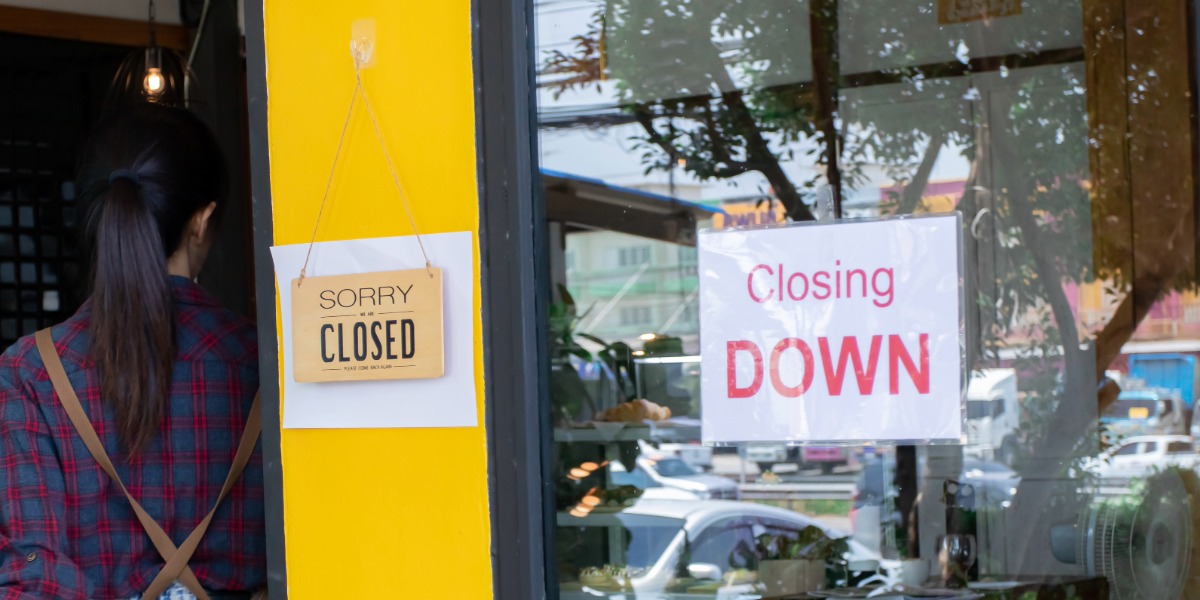
The state’s peak business body has warned last week’s interest rate hike will strip cash from small businesses, potentially wiping $17.5 million each month from balance sheets and forcing owners to shelve investment, let staff go, and trim budgets.
The Reserve Bank’s decision to lift the cash rate by 25 basis points to 3.85 per cent was primarily driven by an unexpected increase in private sector demand. However, much of that unexpected demand was in very specific areas, such as the construction of new data centres to handle the AI boom, rather than broad optimism. RBA Governor Michelle Bullock framed the decision to increase the cash rate this month as a “capacity problem”. She pointed out classic supply-side bottlenecks like a shortage of workers, limited housing stock, supply chain disruptions, and weak productivity growth, all of which the Reserve Bank does not have the tools to remedy – they can only put up interest rates to put downward pressure on demand.
There is concern that the rate rise may intensify pressure on already stretched businesses, particularly in regional areas where margins are thin and increased costs harder to absorb.
Business NSW CEO Daniel Hunter said the first rate rise since November 2023 should act as a wake-up call for policymakers.
“We need a wholesale, system-wide look at the cost of doing business in NSW and Australia,” he said.
“Interest rates are only one part of the equation. Governments at all levels must urgently address the structural pressures – industrial relations settings, energy costs, insurance premiums, payroll tax, and red tape – that are compounding the challenges businesses face.”
Small businesses are carrying close to $200 billion in outstanding fixed and variable rate loans, leaving many highly exposed to even modest increases in borrowing costs.
“Every rate rise makes cashflow a little tighter,” Mr Hunter said.
“This latest increase risks pushing many beyond their limits. There must be wholesale tax reform, a prolonged look at productivity, and genuine downward pressure on energy prices.”
Business NSW analysis estimates that across Australia there is $141 billion in outstanding small business variable loans, with NSW accounting for around $15 billion of the $54.4 billion in new loans taken on nationally during the 2024–25 financial year.
“Assuming a loan interest rate increases from 10 per cent to 10.25 per cent p.a., over five years small businesses are paying an extra $17.5 million each month and a total of $1 billion over the course of five years,” Mr Hunter said.
The warning comes as business failure rates continue to climb. Last financial year, a record 5692 NSW businesses entered external administration, with inadequate cash flow or high cash use cited in 2318 cases.
“If we don’t act now, more businesses will fail, more jobs will be lost, and the economic recovery will stall,” Mr Hunter said.
Local councils say the impact of rising interest rates is already being felt on main streets across our region. Glen Innes Severn Council Mayor Margot Davis said the latest rate increase has compounded pressures councils are seeing firsthand across regional, rural, and remote communities.
“Business closures in regional towns aren’t abstract economic statistics,” Mayor Davis said.
“They mean empty shopfronts on our main streets, lost local jobs, fewer services, and declining confidence. Councils feel the impact immediately, and we live with the consequences long after the doors close.”
Mayor Davis said insolvency data continues to show cashflow stress as a leading driver of business failure, with rate hikes tightening margins further for small and family-run businesses operating in thin regional markets.
“This isn’t about poor decision-making. We are seeing well-run businesses struggling because fixed costs – energy, insurance, wages, compliance, and now debt servicing – have simply outpaced what local markets can absorb,” she said.
She said interest rate rises are not occurring in isolation, but are amplifying an already unsustainable cost base.
“When margins are already razor-thin, every increase in borrowing costs reduces capacity to invest, employ staff, or plan with confidence.”
“In regional communities, that pressure flows straight through to jobs, services, and population stability,” Mayor Davis said.
While councils play a role in economic development and supporting small business, Cr Davis said the primary cost drivers forcing businesses into distress sit outside local government control.
“Councils don’t set interest rates, energy prices, payroll tax, insurance levies, or federal compliance rules. When those settings fail, the fallout lands squarely on regional communities,” she said.
Federal Member for Page Kevin Hogan said the rate rise comes on top of soaring grocery bills, higher power prices, rising insurance premiums, and rents that continue to climb.
“The average mortgage holder is now paying more than $23,000 extra a year in interest compared to when Labor was elected,” Mr Hogan said.
“When families in our communities tighten their belts, they expect the Government to do the same. Instead, Labor keeps spending, and locals keep paying through higher interest rates, lower real wages and rising tax bills,” he said.
Got something you want to say about this story? Have your say on our opinion and comment hub, New England Times Engage