

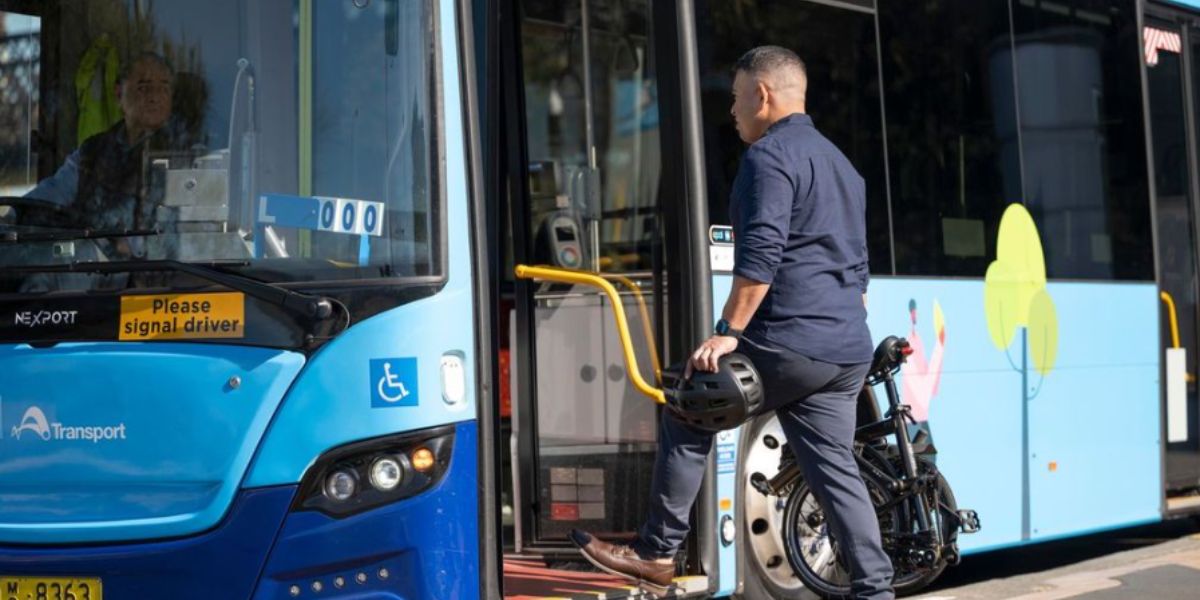
As World Sustainable Transport Day is upon us, Wednesday, 26 November, Transport for NSW has shared encouraging findings from its regional Zero Emission Bus Program trial, informing the next steps toward cleaner, more sustainable transport in regional NSW.
New data from the regional trial of new electric buses covers 18 months of operation in Tweed and Armidale, and 12 months in Narrabri, Queanbeyan, and Deniliquin.
The new electric buses are being tested across the five trial locations to compare how they perform in varied climates, terrain, and road conditions, helping Transport to identify which technologies are best suited to regional and remote service needs.
To date, the 12 new electric buses in the trial have delivered generally positive outcomes, operating across 1,627 bus days and covering more than 300,000 kilometres. The average distance each vehicle has travelled is around 200 kilometres per day.
Together, these new electric buses have saved over 200 tonnes of tailpipe carbon emissions from entering the atmosphere. This is a measurable step in Transport’s transition to a net-zero fleet and operations by 2035, while supporting the state goal of 2050.
One of the standout findings from the recent trial is the impressive performance of regenerative braking. This technology allows buses to recover energy while slowing down or travelling downhill, turning what would normally be wasted energy into a cost-saving advantage.
These findings demonstrate reduced running costs in all operating environments, further reinforcing the case for adopting new electric buses.
The results also show that unsealed roads have little to no impact on the buses’ energy efficiency. This is a promising result for regional NSW, where long distances and limited transport options make a low-emission transition harder.
Passenger feedback has also been positive, with around 80 per cent of customers reporting satisfaction, highlighting the comfort, quiet operation, and smooth ride of the electric buses.
Although the trials were initially set for 18 months, all buses – including those operating in Armidale and the Tweed since April 2024 – will continue running until at least the end of Term 1, 2026.
The regional trials are part of Transport’s multi-billion-dollar Zero Emission Buses Program, which is transitioning more than 8,000 diesel and compressed natural gas buses to more sustainable technology.
Transport is contributing to the state’s wider sustainability efforts, with initiatives like the regional trials and broader work to expand electric vehicles, cleaner freight and active transport.
Transport’s Executive Director of Public Transport, Andrew Milne, said the future of electric vehicles lies beyond the major cities.
“We are committed to increasing sustainability in the regions, and one way is through the electric bus trials now running in Armidale, the Tweed, Narrabri, Queanbeyan and Deniliquin.” He said.
“We are cautiously optimistic about these results and confident that continuing the trial will deliver valuable insights into how these vehicles perform in regional conditions, including their energy use, passenger uptake, fuel cost savings, and emissions reductions.”
“The new bus technology roll-out is a major step towards a more sustainable public transport system. We’re proud to say that NSW is leading the way toward a net zero future, and we want to celebrate the progress made in building a better tomorrow for everyone,” Mr Milne said.
“The transport industry accounts for around 25 per cent of global CO₂ emissions and by shifting more journeys to electric modes, everyone can do their part to help safeguard the health of the planet.”
Mr Milne added that as the trials continue, pedestrians are reminded that the new buses can be much quieter than traditional buses, so it’s important to stay alert.
“Simple actions like putting your phone or headphones away and crossing at safe places such as zebra crossings or traffic lights can help keep you safe around quieter new buses. If no designated crossing is available, choose a spot with a clear view in both directions and continue looking both ways as you cross.”
Adopted by the United Nations General Assembly in May 2023, World Sustainable Transport Day recognises the vital role of safe and efficient modes of transport in connecting communities, supporting economic growth and reducing global carbon pollution.
Like what you’re reading? Support New England Times by making a small contribution today and help us keep delivering local news paywall-free. Donate now