

Indigenous businesses are continuing to grow as their goods and services are in high demand from government, corporate, and non-profit organisations.
Indigenous entrepreneurs are in high demand, and their contributions to Australia’s economy should be celebrated, a leading business verifier says.
In the 2024/25 financial year, Indigenous businesses verified by Supply Nation recorded a $5.83 billion procurement spend with government, corporate, and non-profit organisations, an increase of more than $1 billion from the previous financial year.
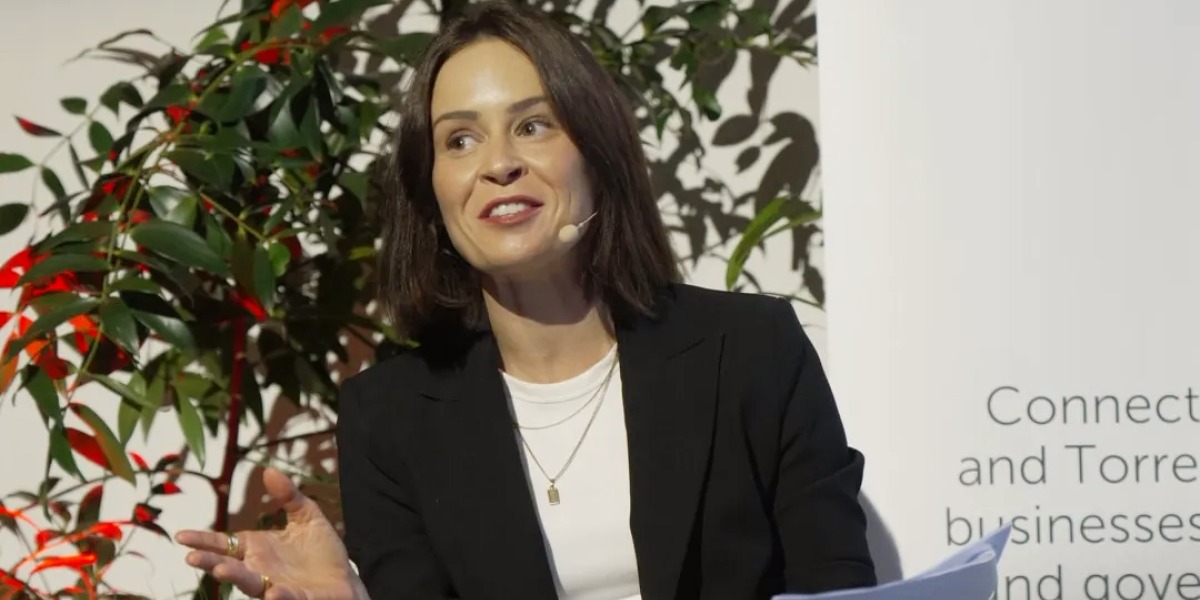
Supply Nation chief executive Kate Russell said the figures showed the Indigenous business sector was growing, competitive, and of a high quality.
She said corporate, government, and other organisations continued to prioritise diversity in their supply chains.
“This isn’t a trend, this isn’t a fad,” the Awabakal woman told AAP.
“Indigenous businesses are here to stay and that’s because they provide a highly valuable product or service and they’ve been embedded in supply chains nationally, in a post-referendum Australia.”
The mining industry recorded the highest overall industry sector procurement spend with $1.64 billion, followed by construction with $1.26 billion.
Government agencies and local councils represented about 26 per cent of the total spend, with about $1.52 billion going to procurement contracts.
Ms Russell said dozens of Indigenous businesses joined Supply Nation’s registry each month.
While there are very real challenges, including a lack of access to capital, for Indigenous business owners, she said it was a testament to First Nations people’s resilience that the sector was still growing.
“Our people were the first traders, the first entrepreneurs,” Ms Russell said.
“There’s thousands of years of wisdom in our communities that our entrepreneurs are just starting to leverage and commercialise.”
Less than one per cent of the businesses on Supply Nation’s books are non-profit or for-purpose organisations, but most give back to their communities in some way.
Whether through philanthropic means like scholarships or sponsorship of local sporting teams, or providing opportunities for training and employment for young people, Ms Russell said this created social value, alongside economic contributions.
“While most people get into business because they want to have economic self-determination, they also see the impact that’s having on their families,” she said.
Ms Russell said she would like to see more Indigenous entrepreneurs outgrowing procurement contracts as their businesses matured.
But no matter where they are in their journey, she said the role Indigenous businesses played in the Australian economy should be acknowledged and celebrated.
“They’re creating over $42.6 billion of social and economic value every year,” she said.
“They should be given a seat at the table when government is discussing things like closing the gap or economics.”
Don’t miss any of the important stories from around the region. Subscribe to our email list.