

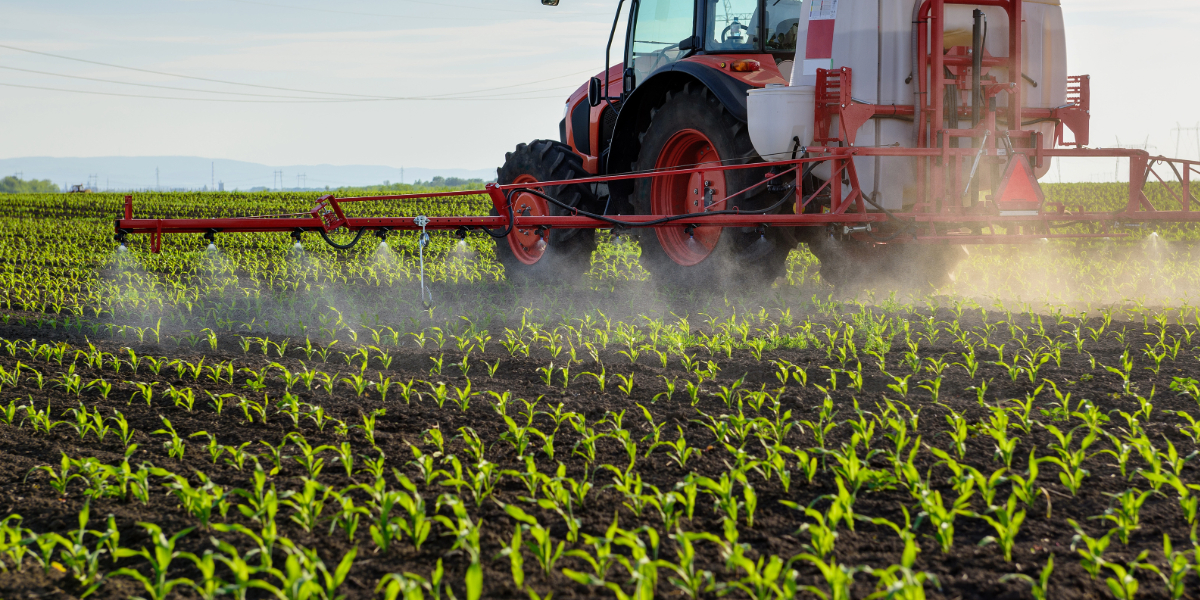
The continued fallout from ministerial directives and attempts to tackle toxic culture within the Armidale-based Australian Pesticides and Veterinary Medicines Authority (APVMA) has led to significant delays in new pesticide approvals, leaving farmers without access to the latest tools to protect their crops.
New figures from the APVMA’s latest quarterly performance report reveal that only 54.9 per cent of major pesticide application assessments for new products were completed on time, down from nearly 99 per cent three years ago. Major pesticide applications are applications for new pesticides not currently available in Australia, and they cannot be used by Australian farmers without APVMA approval.
The regulator gave little explanation for the drop in a short statement, saying only, “Assessment timeframes may vary based on the complexity of the assessment, the quality of available data, or if the APVMA requires further information from the applicant.”
However, the decline had been hinted at by the agency’s new CEO Scott Hanson, who foreshadowed reduced on-time performance in Senate Estimates last year due to operational changes and the reallocation of scientific staff to tackle long-overdue chemical reviews.
Peak industry bodies and farming organisations have raised alarm bells, saying the delays are putting agricultural productivity and food security at risk.
National Farmers’ Federation President David Jochinke said better resources were urgently needed.
“AgVet chemicals play a critical role in the production of food and fibre in Australia,” Mr Jochinke said.
“The importance of an efficient, science-based regulatory environment that delivers world-leading access to technology was reaffirmed by NFF members who adopted the NFF’s new AgVet Chemical Policy in May.
“The first priority should be ensuring the APVMA is sustainably funded and staffed, to deliver on its statutory obligations.”
The Federal Government provided the APVMA with a $5.2 million funding boost this financial year, which the NFF welcomed. However, the organisation is calling for a long-term solution, including a commitment of $8 million annually to support the agency’s regulatory functions.
“The current delayed response times are jeopardising crop performance, which harms farmers’ bottom lines,” Mr Jochinke said.
“The government is looking for ways to boost productivity across the economy – when it comes to agriculture, investing in the APVMA is a simple solution.”
NSW Farmers’ Agricultural Science Committee Chair Alan Brown said the performance shortfall has real-world consequences for Australian farmers.
“There are all these new products out there that could save our crops from pests and diseases, but we can’t use them yet, because they haven’t been assessed or approved,” Mr Brown said.
“We don’t want to have to let Aussie families go without fresh, healthy food, just because we don’t have the tools we need to produce it – but that’s the way we’ll go, if our regulator doesn’t have the funding it needs.”
Mr Brown said the APVMA had a critical role in ensuring national food security and environmental sustainability, and called for transparency and efficiency in how it delivers regulatory outcomes.
“Farmers need a regulator that is transparent, efficient and adequately supported to deliver outcomes that benefit agriculture, the environment and the wider community,” he said.
“The Federal Government claims they know how important national food security is, but they’re not giving us the tools we need to deliver it.”
CropLife Australia, the peak body for the plant science sector, described the agency’s performance as a “staggering drop” and “chronic underperformance” that is costing the economy hundreds of millions of dollars annually.
“In just three years, performance in this critical category has nosedived from 98.8 per cent to a dismal 54.9 per cent,” CropLife CEO Matthew Cossey said.
“This failure to meet even the most basic legislated performance standards and repeated delays in new product registrations is leaving Australian farmers exposed to preventable crop losses.”
Mr Cossey pointed to a cultural reluctance within the APVMA to embrace proactive and efficient practices.
“Despite the skill and dedication of its scientific staff, the APVMA has allowed itself to be dragged down by a culture mired in public service inertia,” he said.
“The newly appointed board members and CEO must now drive a cultural shift within the APVMA to overcome bureaucratic stagnation and enable the agency’s scientific staff to deliver on both registration and compliance activities that Australian farmers and the broader community deserve.”
He also noted that sustainable long-term funding from the Federal Government is vital to addressing the APVMA’s structural issues and growing responsibilities.
“Without decisive action, Australian farmers will be denied access to the innovative tools they need, and consumers will ultimately bear the cost of reduced agricultural productivity and higher food prices,” Mr Cossey said.
Read all the way through to the end of the story? So did lots of other people. Advertise with New England Times to reach New England locals who are interested and engaged. Find out more here.