

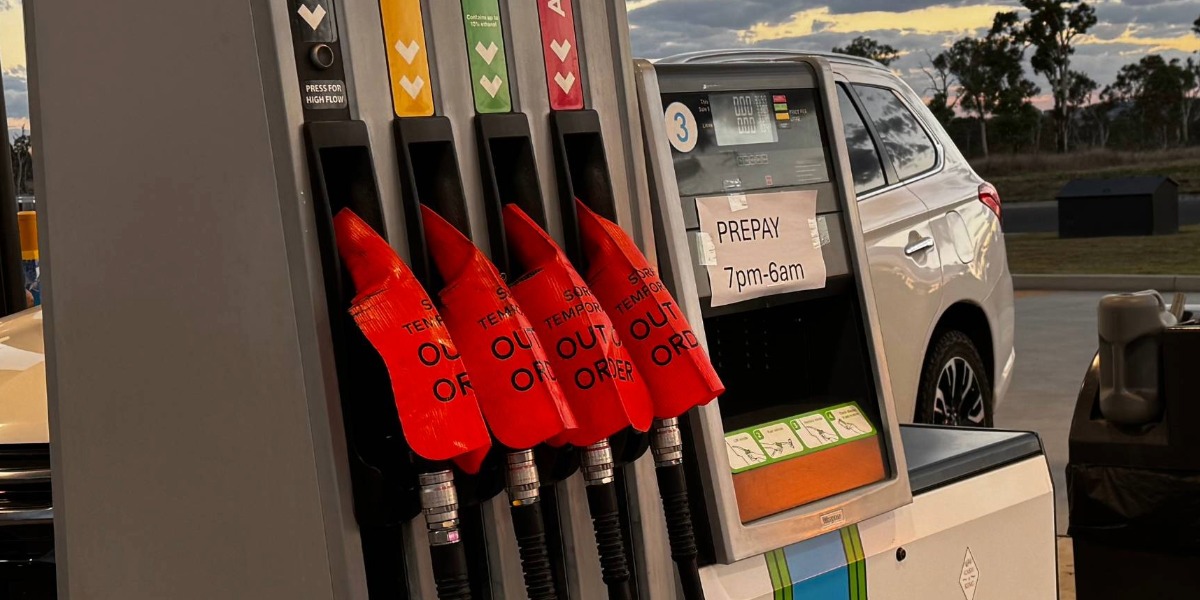
Australia imports 97 per cent of the liquid fuel it uses each year, leaving households and businesses exposed every time a war overseas sends prices soaring, a new Grattan Institute report warns.
The report, Fuelling the future: The Grattan Fuel Plan for Australia, says the federal government needs to change course on fuel security to shield Australians from future shocks.
It points to the Ukraine and Iran Wars as proof of how exposed the country is to supply disruptions and price hikes. The Iran War alone has so far cost Australians nearly $18 billion and the federal government at least $3.3 billion, and has driven up inflation.
“Australia has no strategy to reduce its reliance on imported fuels,” said report lead author and Grattan Institute Energy and Climate Change Program Director Alison Reeve.
“This dependence on imported fuel is no longer tenable – it keeps us tethered to increasingly chaotic global events we cannot control.”
Under the Grattan Fuel Plan, the biggest fuel-using sectors, road transport, mining, and aviation, would get at least half their fuel from local sources by 2050.
To get there, the report sets out a three-pronged strategy.
The first is a target of 650,000 electric trucks on Australian roads by 2050, cutting diesel use by 5 billion litres a year. To fuel that fleet, the government would invest $1.1 billion in a national charger network and $2.4 billion in vouchers to help trucking firms buy electric trucks.
The second is capping diesel fuel tax credits at $35 million per corporate group per year. Grattan says this would cut diesel use by 3.5 billion litres a year and cut government spending by $76 billion by 2050.
The third is a mandatory target for clean jet fuel, with $6 billion going towards the first fleet of clean refineries. By 2050, this would deliver 9.8 billion litres of clean jet fuel a year.
Cars, utes, and vans are already on track as more Australians choose to go electric. The report says the government should lock that in by tightening vehicle emissions standards.
Grattan says the plan would save the typical household more than $3,300 a year on fuel by 2050, deliver a net $55 billion to the federal budget, cut demand for imported fuel by 18 billion litres a year, and reduce greenhouse gas emissions from fuel use by 58 per cent.
If global oil prices spiked in 2050 as much as they have during the Iran War, Australians would be $41 billion better off under the plan.
The report rejects building more petroleum refineries as a fix. Australia is running out of crude oil, and a new refinery processing imported crude would expose the country to the same risks as importing refined fuel.
However, it says Australia’s two remaining oil refineries boost the supply of sovereign fuel today at relatively low cost. The government should extend its financial support to keep them open until they run out of Australian crude, or until local sources of clean fuel can replace them.
“The Iran War has given the government an opportunity to permanently insulate Australian households and businesses from geopolitical shocks, to lower fuel costs, and to make our economy more resilient,” Alison Reeve said.
“This report shows how the government can seize that opportunity.”
The full report is available on the Grattan Institute website.
Something going on in your part of the New England people should know about? Let us know by emailing newsdesk@netimes.com.au