

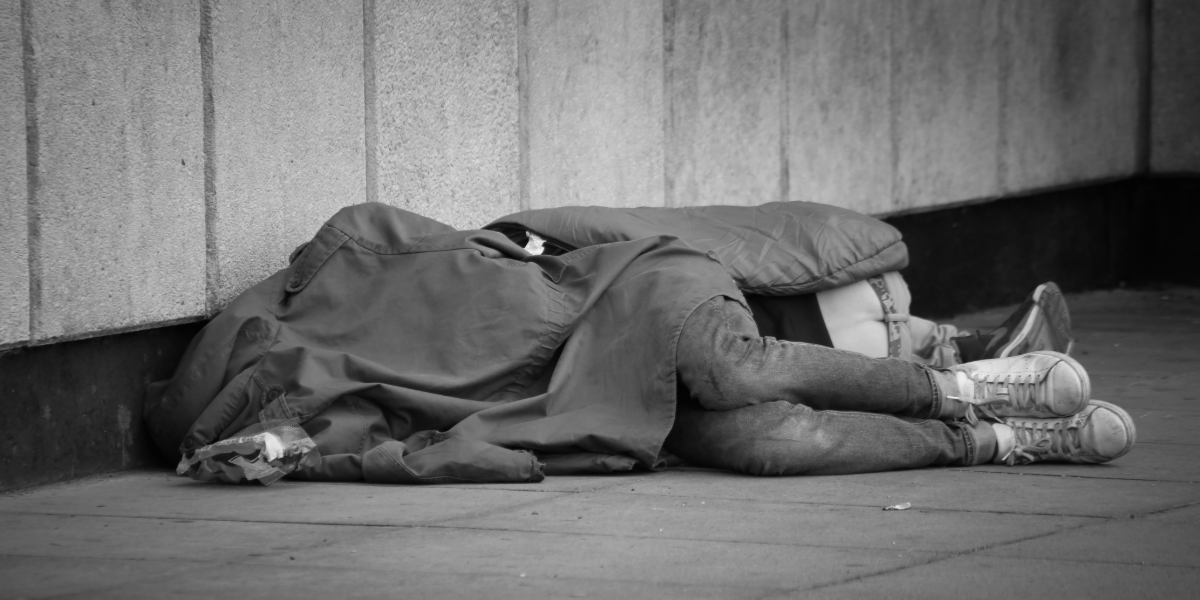
Rough sleeping in NSW could be ended with 6,437 dedicated homes for people experiencing repeated homelessness, a new report has found, and the steepest rises in rough sleeping are being recorded in regional areas including the Mid North Coast, New England, and Northern NSW.
The analysis by Per Capita, commissioned by Homelessness NSW, found that providing the homes with wrap-around support would save the government $40 million every year in reduced medical, justice, and homelessness service costs.
“Rough sleeping should not exist in one of the wealthiest places on Earth,” said Homelessness NSW CEO Dominique Rowe.
“This report shows us how to end rough sleeping.”
The report proposes meeting half the need, around 3,219 homes, by making existing social housing available to supportive housing tenants and funding the services that go with them. Those services include case management, tenancy support, mental health and drug and alcohol support, trauma-informed counselling, and after-hours assistance.
The remaining 3,219 homes would be newly built around the state between 2028 and 2032, through partnerships between government, community housing providers, and philanthropy.
“Supportive housing gives people a home and the support to keep it,” Ms Rowe said.
“We know it works and changes people’s lives.”
The homes would need to be spread across NSW, with the 2026 Street Count data showing the regional rises.
Delivering the program would take an initial investment of $2.6 billion to $3.2 billion between 2028 and 2033. Once all the homes are running, the report estimates savings of around $227 million a year, more than covering the $187 million annual cost of running the homes and providing support after tenants’ rent contributions.
Over 60 years, the report finds every dollar invested returns $1.39 in benefits to the government and to the people housed.
“Our proposal is also a financial no-brainer as the savings to our hospitals and justice system more than cover the cost of running these homes each year,” Ms Rowe said.
The report estimates supportive housing saves the government around $29,395 per person each year, through less use of emergency departments, hospitals, the justice system, and homelessness services.
International trials have found people in Housing First programs make 37 per cent fewer emergency department visits and have 24 per cent fewer hospitalisations than people receiving standard services.
The 6,437 figure was reached by combining 2026 NSW Street Count data with By-Name List and Productivity Commission data to estimate the need for supportive housing.
“We are calling on the NSW Government to commit to delivering these homes over the next five years, alongside the support services that keep people housed,” Ms Rowe said.
The full report is available at https://homelessnessnsw.org.au/wp-content/uploads/2026/11/Supportive-Housing-Needs-in-NSW.pdf
Got something you want to say about this story? Have your say on our opinion and comment hub, New England Times Engage