

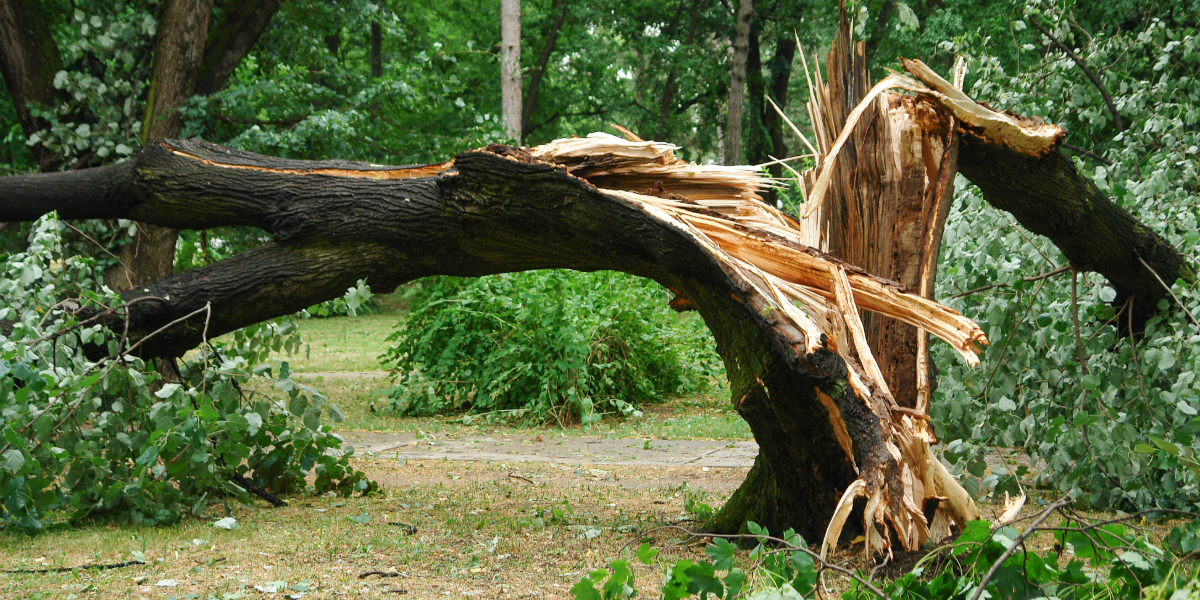
People who illegally clear or poison trees in NSW could face penalties of up to $500,000 under a crackdown that gives councils new powers to pursue them.
The government says the reforms are a direct response to recent cases of tree vandalism and illegal tree removal that have drawn community anger.
Councils can already pursue criminal charges for serious tree clearing offences. But the need to prove the offence beyond reasonable doubt, and the costs involved, mean successful prosecutions have been rare.
“Communities across NSW are rightly fed up with seeing their local trees poisoned and ripped out of their neighbourhoods for someone else’s convenience or profit and councils are fed up with having to clear such a high legal bar when pursuing those who have done the wrong thing,” said Minister for Planning and Public Spaces Paul Scully.
Legislation will be introduced to NSW Parliament to allow councils to pursue hefty civil penalties for tree vandals on both public and private land for the first time. Individuals caught illegally clearing trees and vegetation could face court-imposed penalties of up to $500,000. For corporations, the figure is up to $2.5 million.
Regulatory changes will run in parallel. On-the-spot fines for clearing trees and vegetation without the necessary approvals will double for individuals, from $3,000 to $6,000. For businesses, they will triple, from $6,000 to $18,000.
Councils will also be able to issue orders to stop tree clearing works and enforce replanting.
“These reforms deliver tougher penalties and stronger powers giving councils more options to stop this illegal behaviour and better protect the trees and vegetation that make neighbourhoods a great place to live,” Mr Scully said.
There will be new permit requirements for removing dead and dying trees. The change is designed to remove the incentive to poison trees.
The reforms build on the NSW Government’s $60 million investment to green urban areas and lift tree canopy to reduce heat and improve local amenity. Research shows trees can reduce ground-level temperatures by up to six degrees. Communities with more than 30 per cent canopy cover experience improved mental and physical health outcomes.
“This is another example of the Minns Labor Government making common sense reforms to build better and more sustainable communities,” Mr Scully said.
Like what you’re reading? Support New England Times by making a small contribution today and help us keep delivering local news paywall-free. Donate now