

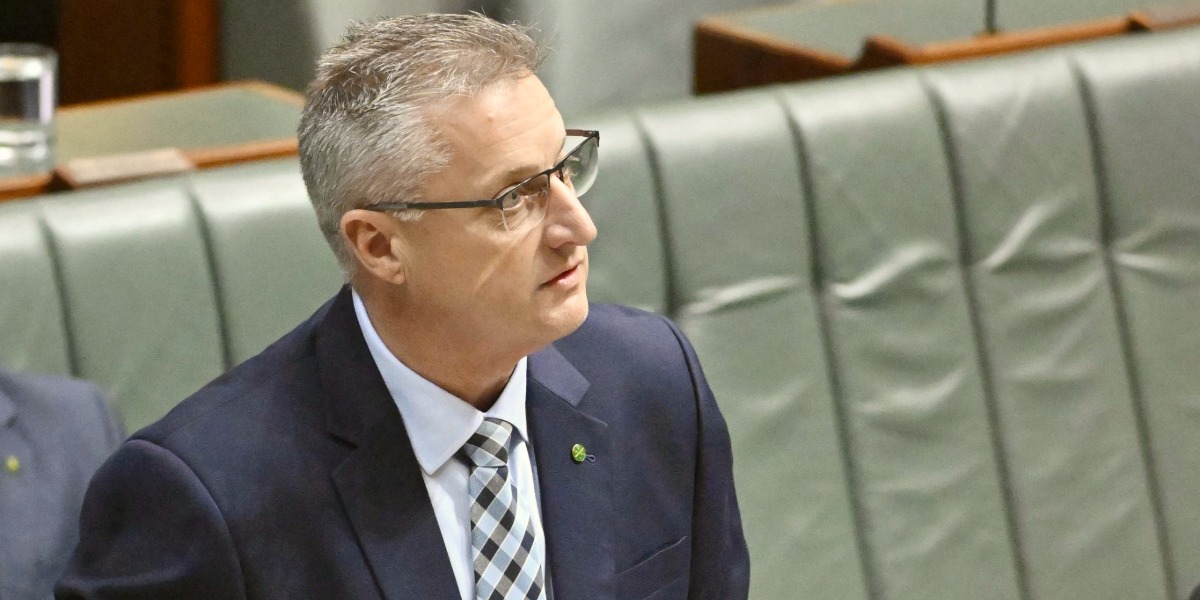
Parkes MP Jamie Chaffey says the Coalition’s migration plan would give his electorate’s homes, roads, hospitals, and schools room to catch up. A leading settlement provider that has been key in the resettlement of refugees in the region says part of the push would shut out thousands of people fleeing persecution.
The Liberals and Nationals’ Australia-First Migration Plan would cut net overseas migration to 100,000 a year for the first two years. It would then level out at around 160,000 in year four.
The plan would also reduce the number of temporary visa holders by around 650,000 over four years. The permanent migration program would stay capped at 185,000 places a year.
Mr Chaffey said around 1.5 million additional people had come to Australia since Labor was elected, roughly the population of Adelaide. He said one in ten people living in Australia was now on a temporary visa, and he called that unsustainable.
“Under Labor, the numbers have been too high and the standards too low,” he said, repeating the statements of party leadership.
“Our housing, roads, hospitals and schools can’t keep up.”
“Migration is important, and we know how much migrants contribute to our country, particularly in regional areas such as the Parkes electorate, but we need to balance this while putting Australia first.”
The plan would prioritise higher-skilled migrants, including skilled partners and employer-sponsored workers, with stronger standards on income, age, English, and full-time work. It would create Skilled Project Visas to help fill workforce shortages on major projects. It would also end Temporary Graduate Visas, reduce international student migration, and tighten temporary visa rules.
Mr Chaffey said the plan was budget neutral.
“This isn’t just about cutting the numbers. It’s about bringing in the right people, in the right numbers, with a focus on the skills Australia needs,” he said.
“That means bringing in higher-skilled migrants and protecting regional migration programs supporting agriculture, health, tourism and hospitality, ensuring migration is targeted where we have genuine workforce needs.”
Settlement Services International (SSI) CEO Violet Roumeliotis said the cut would come as nearly 118 million people worldwide were displaced by conflict and persecution.
“The world is dealing with one of the biggest displacement crises in its history. This is exactly the wrong time for Australia to be pulling back,” she said.
“The impact of this proposal would be felt by real people. Fewer places would mean refugees escaping persecution lose access to resettlement, which for many is one of the only lasting ways to rebuild their lives in safety.”
Ms Roumeliotis also raised concerns about proposals to screen out new arrivals based on their country of origin or religion.
“Our migration system is built on fairness, equal opportunity and a fair go. Shutting people out because of where they were born or what they believe risks undermining that.”
She said the changes were being justified as a way to reduce net overseas migration, but cutting the humanitarian program would make only a marginal difference to the headline number.
SSI is calling for a National Migration Summit to agree on a long-term plan for the migration system. More than 40 organisations back the call, including the Minerals Council of Australia, the Tech Council of Australia, the Council of Small Business Organisations Australia, the Regional Australia Institute, and the Australian Restaurant and Cafe Association.
Ms Roumeliotis said Australians deserved an informed debate about what deep cuts to migration would mean in practice, including worsening skills shortages, longer waiting lists, slower construction, and weaker economic growth.
“Recent announcements show the danger of building migration policy around a headline figure without thinking through the consequences or how the system works on the ground. Australia’s future deserves better.”
Something going on in your part of the New England people should know about? Let us know by emailing newsdesk@netimes.com.au