

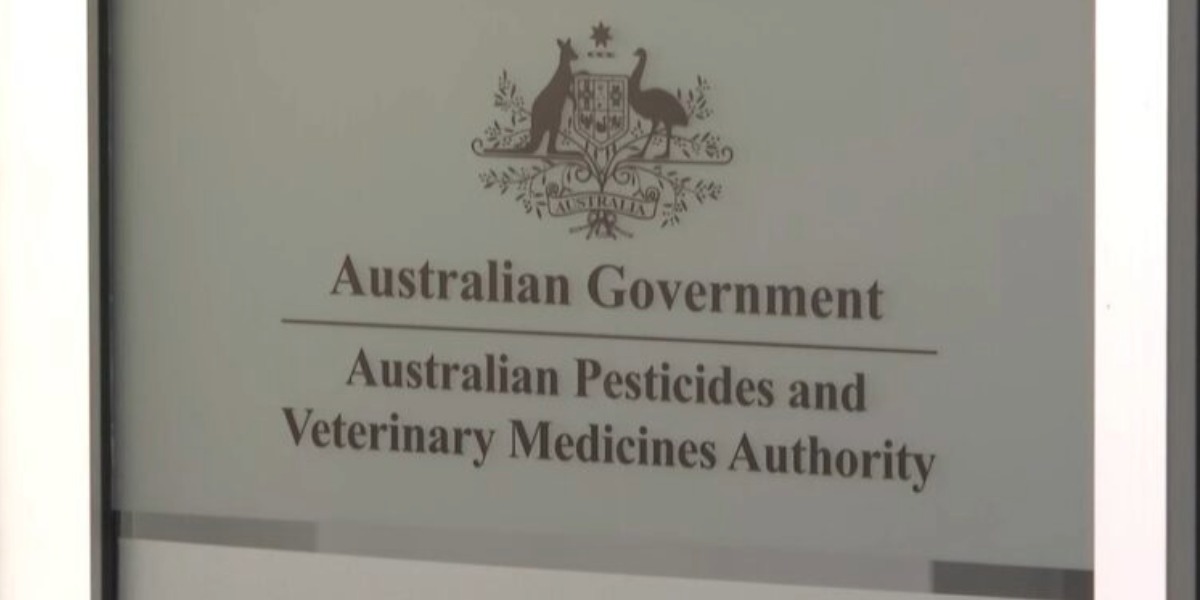
Australia’s Armidale-based pesticides regulator is again under fire, with a new global study warning that slow, costly approvals are cutting local farmers off from the next generation of crop protection technology.
The study, by agricultural market intelligence firm AgBioInvestor, found that developing a crop protection product based on a new chemical active ingredient now costs an average of $307 million and takes more than 11 years. The cost of the exploratory research alone to develop a single new active ingredient has grown to $133 million.
CropLife Australia, the peak body for the plant science industry, says the findings show more needs to be done to keep Australia a priority market, warning that regulatory delays here have worsened even as approval times have improved overseas.
CropLife Australia chief executive Matthew Cossey said Australia’s $100 billion agriculture export industry relied on timely access to new technology.
“Globally, registration timelines have decreased, indicating positive momentum from both industry and regulatory authorities,” Mr Cossey said.
“However, the same cannot be said in Australia, where the regulator’s delays have only worsened over recent years and proposed hikes in regulatory costs threaten the investment required to support our farmers with the innovation they are calling for.”
“If Australia becomes an outlier in regulatory complexity, assessment timelines or fees, our farmers will see unnecessary losses in productivity while they are denied new innovation available to their international competitors.”
The Australian Pesticides and Veterinary Medicines Authority, the national regulator singled out in the study, has been based in Armidale since it was relocated from Canberra by the former federal government. Its performance has slipped significantly over the past year.
As the New England Times reported in April, the authority completed just 74.4 per cent of applications within statutory timeframes in the second quarter of 2025-26, down from 80.2 per cent the previous quarter and well short of its own 90 per cent target. Only 36 per cent of applications for new or innovative products met statutory timeframes, the lowest rate since June 2017, and the regulator warned it expected recovery to take more than a year.
“The results are as bad as they have been since the former government moved the APVMA to Armidale,” Mr Cossey said in April.
Report author Derek Oliphant said the AgBioInvestor findings reflected a global industry responding to increasing cost, complexity and compliance.
“Costs for the plant science industry are trending upwards, and the tighter margins make smaller markets, like Australia, a less attractive destination for investment,” Mr Oliphant said.
“Australia can still position itself as a market where these innovators want to compete.”
Mr Oliphant said sustained effort to deliver timely, efficient and predictable science-based regulation, along with improved intellectual property protections, would support the plant science industry’s long-standing relationship with Australian farmers.
CropLife Australia is hosting a free webinar with the authors of the Time and Cost of New Agrochemical Product Discovery, Development and Registration study on Wednesday, 16 September, where they will discuss the report’s findings in more detail. Tickets are available at eventbrite.com.au/e/croplife-australia-agbioinvestor-webinar-tickets-1995410339039.
Download the AgbioInvestor study: Time and Cost of New Agrochemical Product Discovery, Development and Registration.
Got something you want to say about this story? Have your say on our opinion and comment hub, New England Times Engage