
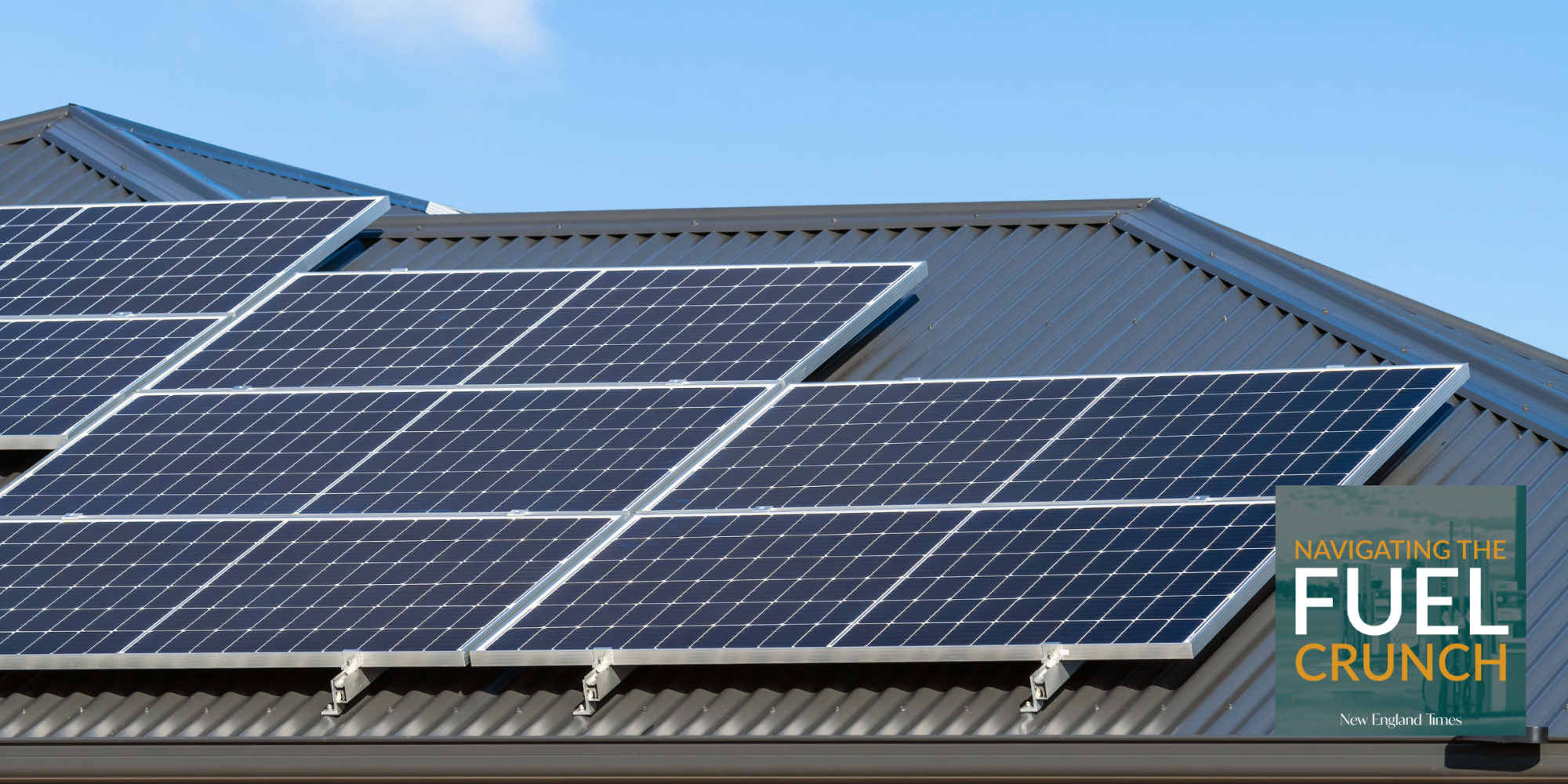

As energy prices continue to climb, more New England households are searching for practical, long-term ways to reduce their costs. Nick Davies of Davies & Sons Electrical Services, says the answer isn’t a one-size-fits-all system, it’s a tailored approach built around how each household actually uses energy.
“Each household is different in the way they use their power, from the types of loads to the time of day they are using it,” Nick said.
And while there’s a lot said about solar power, the benefits are undeniable – and go well beyond lower power bills.
“The environmental impact is a big one, solar is a much greener energy source,” Nick said. “But another benefit is understanding your own energy use.”
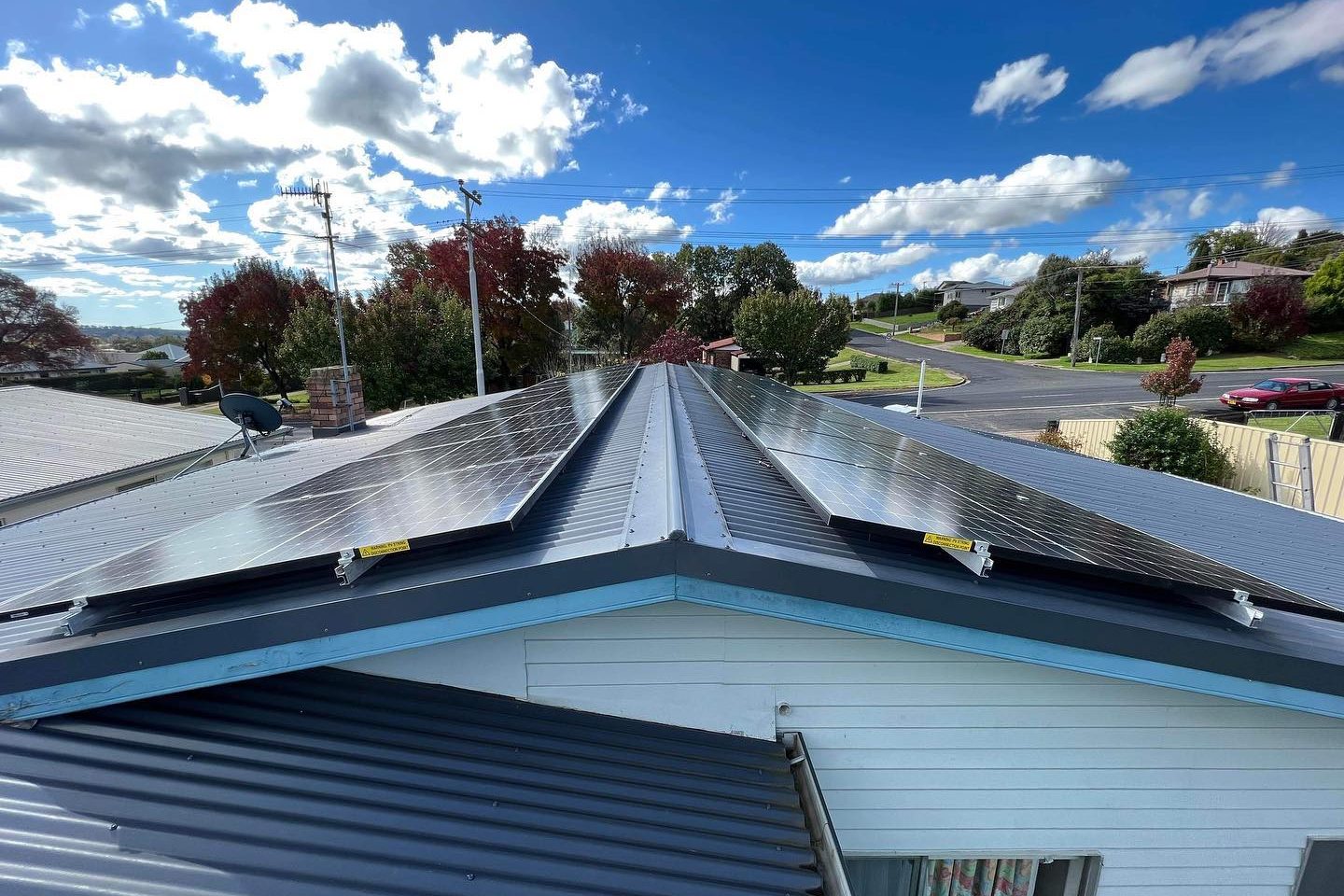
Batteries are a game changer
For many residential customers, solar alone doesn’t always deliver the full benefit, particularly for those who are out of the home during the day.
“Our typical customer doesn’t benefit from solar only. They’re at work all day while the solar is producing, then they come home and get hit with those high tariffs.”
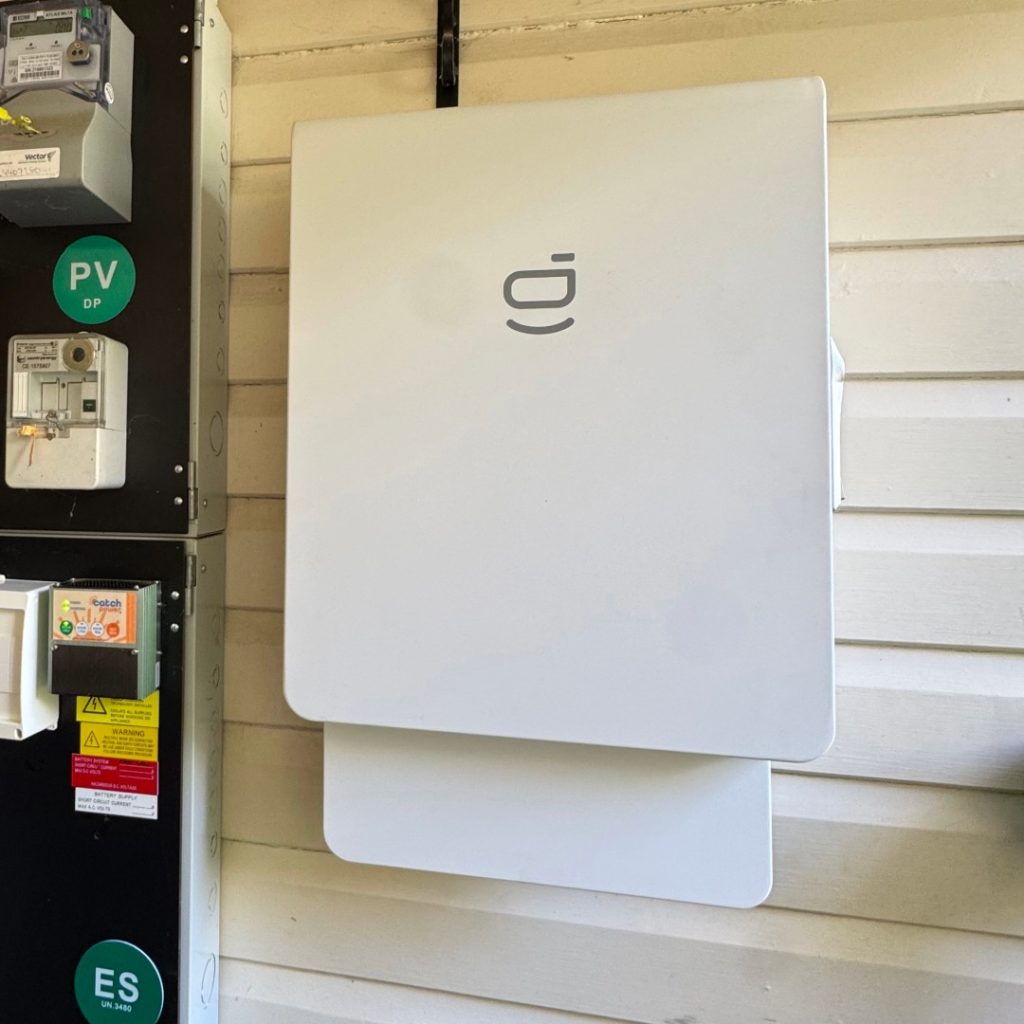
That gap between when energy is generated and when it is used is where battery storage becomes increasingly valuable. Rather than exporting unused energy back to the grid during the day and paying peak rates at night, households can store what they generate and use it when it matters most.
“This is when a battery becomes useful for covering those peak periods,” Nick said.
“People are using the most power in the evening – cooking, heating or cooling their homes, turning on lights – and that’s when electricity is most expensive.”
“A battery lets you use the energy you generated during the day instead of paying a premium for it.”
With government rebates still available, battery systems are becoming increasingly affordable, particularly for everyday working households looking to take control of their energy use and reduce their reliance on the grid.
“Rising prices and government rebates have created the perfect storm for battery adoption,” Nick said.
Combine that with current fuel prices, and the other incentives to buy EVs, and you start to need reasons not to make the switch to solar.
While residential clients often benefit most from a combined solar and battery system, commercial customers typically see strong returns from solar alone. This is largely because their energy use aligns more closely with daylight hours, allowing them to maximise the value of solar generation without the same reliance on storage.
Even so, Nick expects battery uptake in the commercial sector to grow in the near future as new energy schemes emerge and the benefits become better understood.
Understand your energy consumption so you can be smarter about it
Modern systems also allow homeowners to monitor their consumption in real time, offering a clearer picture of when and how power is being used.
“You can see exactly when you’re using power. It can make people more conscious, or at the very least offer peace of mind rather than waiting for a bill to arrive.”
For both residential and commercial customers, one of the most common questions is how much they can realistically save. According to Nick, the answer depends heavily on individual usage patterns, but the potential is significant.
“We’ve seen customers with higher bills save thousands over the course of the year,” he said.
“Others with lower usage still save hundreds. It really depends on how and when they use power.”
To help customers make informed decisions, Davies & Sons Electrical uses software to map out projected savings before any installation begins.
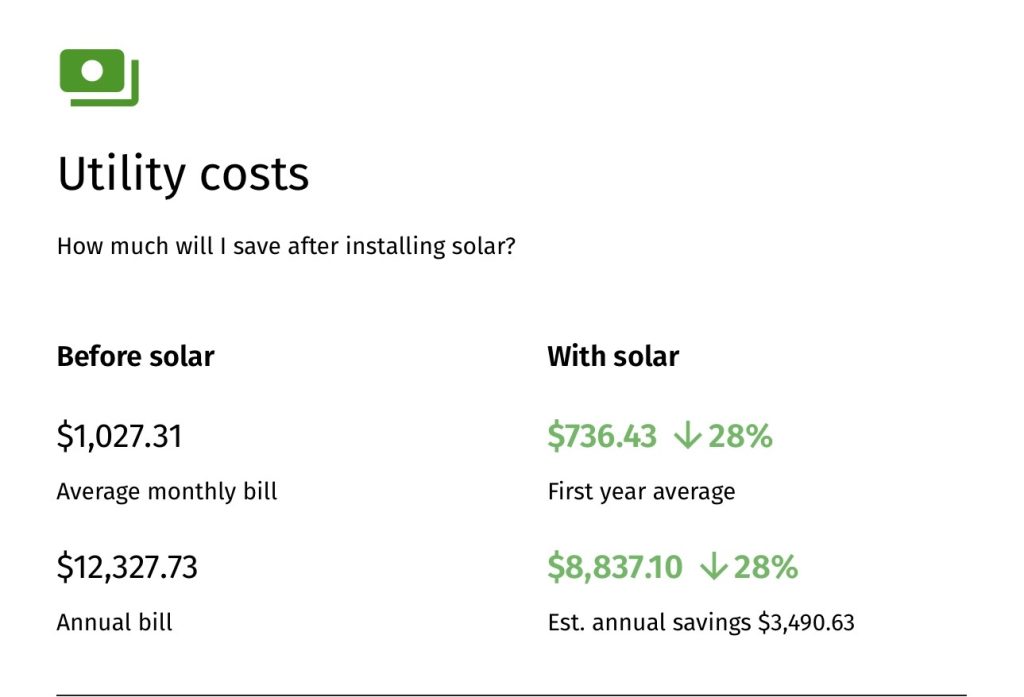
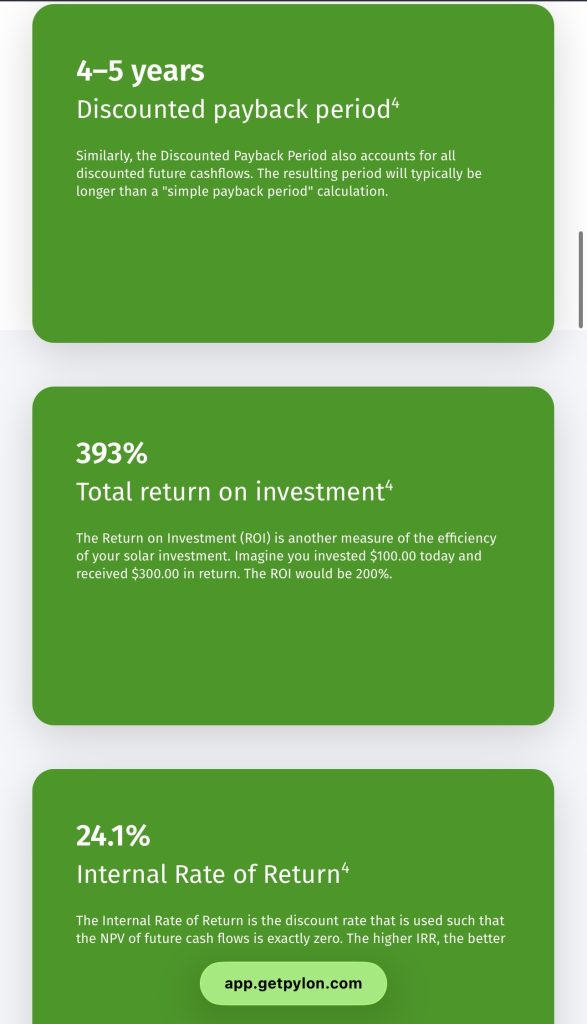
“We break down the investment so customers can see their outlay and predicted savings.”
Most systems pay for themselves in just a few years, but the software can give you a firm indication of just how much you’ll save.
“It’s about clarity, we want to make sure people understand what they’re getting and feel confident they won’t be worse off if expectations aren’t met.”
Cheaper isn’t always saving
Right across Armidale and the wider New England, demand for solar and battery systems is rising rapidly, but not everyone is having a great experience. While the benefits of solar are well known and proven, Nick said the biggest pitfalls often come down to who installs the system.
“From my experience, the issue is choosing the wrong installation company,” he said.
“There are a lot of larger companies offering very cheap systems. That can look appealing upfront, but it can cause problems later on.”
Those problems can include system failures, poor workmanship, and a lack of after-sales support, particularly when installers aren’t local.
“We attended many systems during the recent storms that weren’t even up to code,” Nick said.
“Working with a local, reputable installer makes a huge difference, not just for quality, but for ongoing support as well.”
Davies & Sons solid team of qualified and experienced electricians, based right here in Armidale, can give you confidence that there will be someone available when you need ongoing support, and also means they can handle larger electrical jobs of all kinds.

Do your research
For those still weighing up whether now is the right time to invest, Nick takes a measured approach but acknowledges the broader reality.
“I’d never be pushy about getting someone to spend their hard-earned money,” he said. “But it’s hard not to point out the constant rises in energy prices, as well as the rebate pricing dropping off each year.”
Like many investments, timing can make a difference. And now is a really great time.
“I think it will only become more difficult to get a foot in the door. Creating a realistic budget now can help ease the burden, especially if prices continue to rise,” Nick said.
For households not quite ready to commit to solar, Nick says there are still practical steps that can make a noticeable impact in reducing your energy bills.
“Changing lighting to LED, updating old appliances to more efficient models, installing ceiling fans, upgrading old fuses to safety switches, and improving your home’s insulation are all effective ways to lower usage and save on energy costs.”

This advertorial was developed as part of our Fuel Crunch initiative, helping inform and empower New Englanders to make the right decisions to reduce their fuel and other energy costs.
What do you need to know to get through the fuel crunch?
Tell us what information you need to make it through the fuel shortage crisis. Suggest a story!
Read other fuel crunch stories here.
Put your business in a story like this – find out more here.