

Residents across the Parkes electorate have just days left to make submissions to a Senate inquiry examining the Federal Government’s proposed mobile connectivity laws, with the deadline set for 8 April.
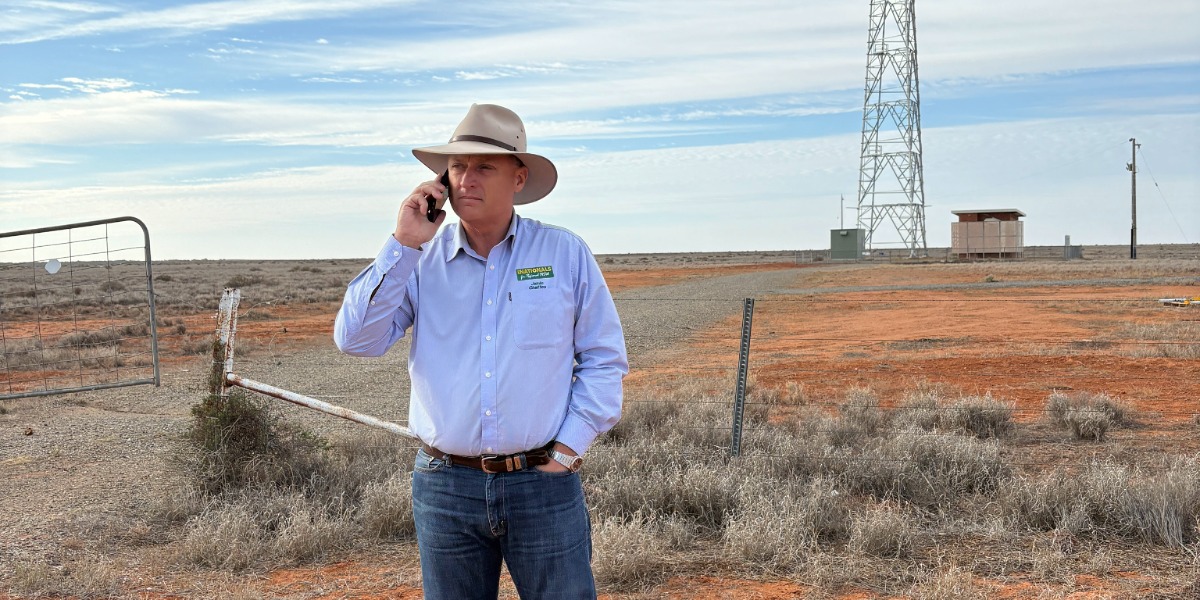
Federal Member for Parkes Jamie Chaffey is urging locals to have their say, describing the inquiry into the Telecommunications Legislation Amendment (Universal Outdoor Mobile Obligation) Bill 2025 as a key opportunity for regional voices to be heard.
“In a regional electorate the size of Parkes, reliable telecommunications is critical,” Mr Chaffey said.
“This proposed legislation is no solution. It leaves too many questions unanswered and residents, businesses and emergency services cannot rely on this vague piece of legislation to ensure they will have strong and dependable connectivity now or in the future.
“Our communities need to be heard, which is why I am calling for local submissions to the Senate inquiry. There may also be the opportunity to give evidence at a public hearing.”
The Coalition says while improving mobile coverage is essential, the proposed legislation lacks clarity on how it would be implemented.
The bill would place an obligation on telecommunications carriers to provide “reasonable access” to outdoor mobile connectivity on an “equitable basis”, but critics argue key details about delivery, cost and scope remain unclear.
Shadow Minister for Communications and Digital Safety Sarah Henderson said the inquiry would allow stakeholders to scrutinise the proposal and raise concerns.
“Reliable mobile connectivity is essential for Australians wherever they live, but Labor’s proposed laws raise more questions than answers,” Senator Henderson said.
“The Senate inquiry will ensure this bill receives the scrutiny it deserves and gives stakeholders the opportunity to highlight the real-world implications of the government’s proposal.
“The Albanese government has not explained how this obligation will work in practice, how it will be funded, why mobile roaming has been excluded as a potential solution or what the potential costs will be for consumers.”
Senator Henderson also pointed to past issues in the communications sector, saying reforms must be carefully considered.
“Given Labor’s record of communications failures – including the deadly triple zero outage and the botched 3G shutdown – Australians are entitled to demand this reform be thoroughly examined, including potential amendments to the bill,” she said.
Shadow Minister for Regional Communications Anne Webster said regional communities in particular need certainty that any new framework will deliver real improvements.
“For people living in regional, rural and remote Australia, mobile connectivity is not a luxury – it is essential for safety, work, education and staying connected with family and community,” Dr Webster said.
“There are no guarantees this so-called universal outdoor mobile obligation will be affordable, available everywhere including from vehicles or ready to commence next year as Labor promised.”
Dr Webster also questioned the government’s reliance on satellite technology, arguing it may not be suitable for all users.
“Labor also claims its UOMO is ‘technology neutral’ yet is looking to rely solely on satellite connectivity which is not available for existing handsets and is largely unproven,” she said.
The Coalition said alternative measures, including mobile roaming and improved emergency connectivity during outages and natural disasters, should also be considered.
Submissions to the Senate inquiry close on 8 April.
Got something you want to say about this story? Have your say on our opinion and comment hub, New England Times Engage
