

The Inverell branch of NSW State Emergency Service (SES) is holding a dinner at the start of May to mark 50 years of operation.
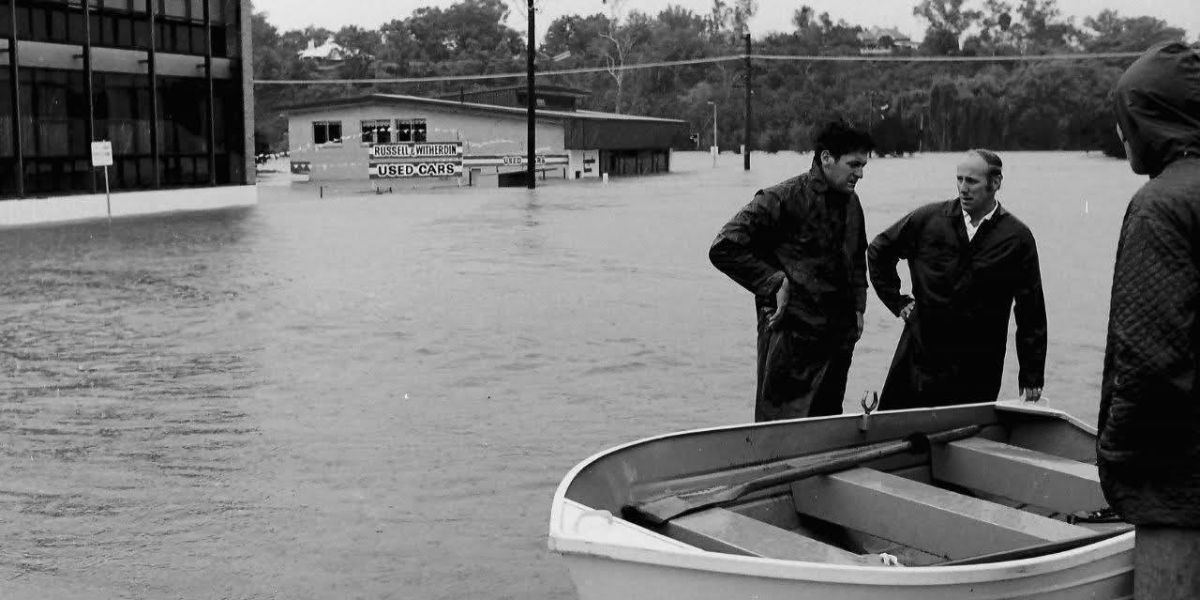
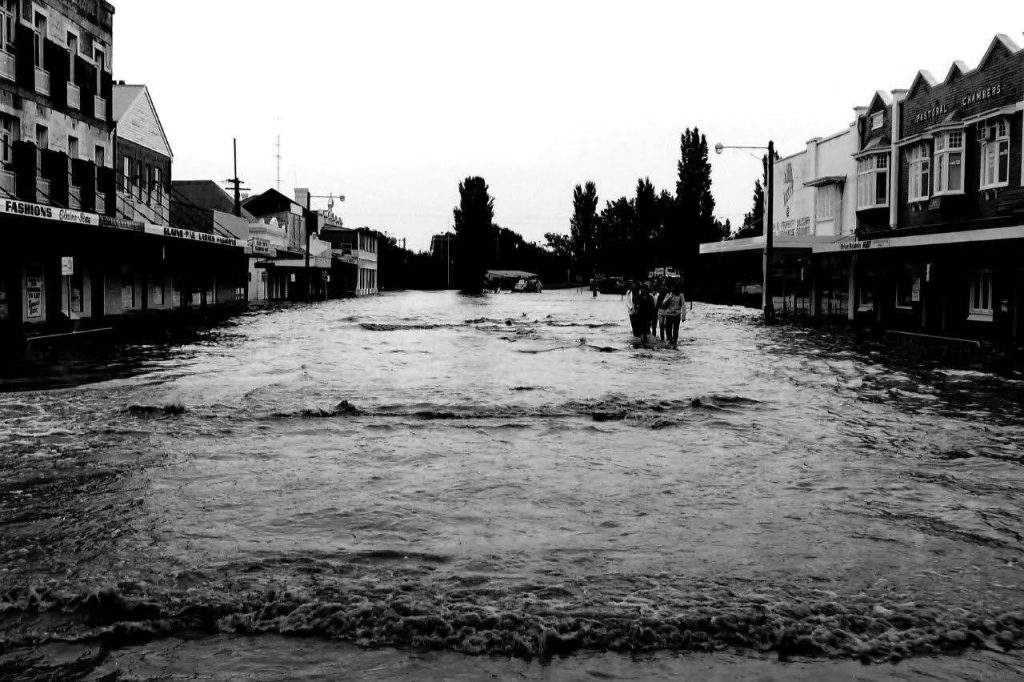
Members formed the branch on 24 February, 1976, after Tropical Cyclone Alan caused a flood – the town’s fifth-highest, according to a retired weather forecaster. A second flood hit the town only days after operations began, putting the first volunteers through a “trial by water”.
Joerg Gruenfeld, Inverell SES deputy unit commander, told the New England Times that Dennis Bailey was appointed the first local controller, while David Jones, who had worked in Inverell for the NSW government before settling, became flood intelligence officer.
The second flood “came within half a metre of the earlier flood,” Gruenfeld said. The water level peaked at 4.95m at 1.30pm on the 26th of February.
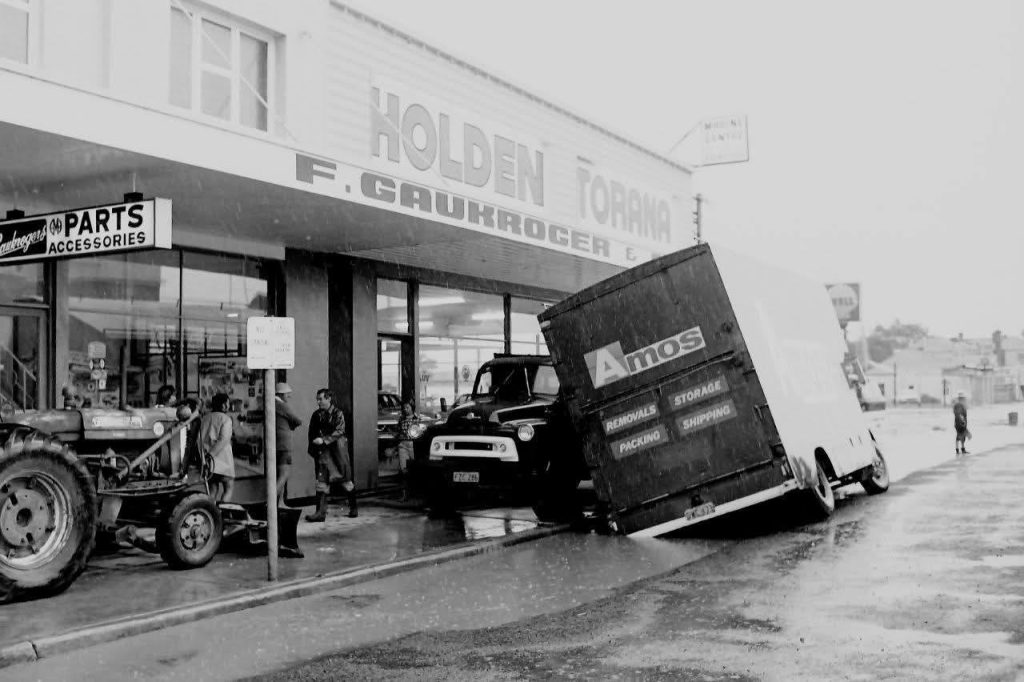
He said the unit’s most memorable moment was the 1991 flood, which caused some buildings near the river in Inverell to be washed away.
“This led to considerable efforts by the Inverell Shire council to undertake mitigation work to reduce the likelihood of such extensive impact with future events,” Gruenfeld said.
A similar amount of rainfall in 2022 led to another flood, however Gruenfeld said “the work completed after 1991 ensured that the water was able to move away more effectively without impacting any homes or businesses.”
Jones, whom Gruenfeld said “is invaluable with his ability to accurately forecast the heights and times of the flood peaks,” told the Times he gained knowledge of flood forecasting while working on the construction of Copeton Dam for the state water conservation and irrigation commission.
“The fact that the SES unit was set up on 24 February, 1976, with an overbank flood occurring on the 26th helped reinforce my memory after the earlier flood on the 11th. The flood of 26 February was only 180mm lower than the prediction I issued.”
Jones, who has “complete daily rainfall and temperature records for Inverell from 1874” to now, said this year marks 71 years since the February, 1955 flood, which damaged 165 homes and 155 “business houses”.
From 1864 until now, “floods over the bank entering the CBD of Inverell have occurred not further apart than 13 years – sometimes closer than 13 years until 1991,” Jones said.
“Since the 1991 flood (6.0 metres), there has not been a flood over the bank (five metres on the Ross Hill Bridge Gauge) for 35 years. We are sorely overdue for a big one.”
Jones said “floods entered the CBD at a height of 4.6 metres” until Captain Cook Drive was built at the end of 2009, after which “floods didn’t affect the CBD until a height of five metres”.
In reflecting on how Inverell SES has changed over the years, Gruenfeld said state-of-the-art equipment, vehicles and vessels have been introduced to enable members to respond safely and effectively in our core functions regarding storms and floods.
“This ability to meet the needs of the Inverell and surrounding communities is always underpinned by the valuable community support we receive and the ability to rely on, and provide, integrated inter-agency support.”
The difference between Inverell and other north western zone catchments, according to Gruenfeld, is “our floods rise and disperse quite quickly”, but “our unit reflects the values of the service as a whole”.
“We work closely with the other agencies in Inverell but we also support neighbouring SES Units when they are short-handed to ensure their communities can feel safe and supported when things seem grim,” he said.
“What does make the Inverell unit unique is its facilities. Rather than a standalone unit, we are housed at the Inverell Emergency Operations Centre, which is a facility shared with the Rural Fire Service and Local Emergency Management Committee to manage any major event which impacts the Inverell Shire.”
Looking to the future, Gruenfeld said the unit’s focus “is to build the size of our membership, and thereby the depth and capability to respond during severe and protracted events that may impact Inverell.
“Unfortunately, like many volunteer organisations, we rely on a small and dedicated team to fulfill our roles as people seem to have less time or willingness to give to their community.
“We would like to encourage people to take the time to consider the variety of roles within the State Emergency Service that range from active hands-on tasks such as storm response to IT, communications or logistics support – there really are roles for almost anyone.”
Former Inverell SES members who would like to attend the dinner commemorating 50 years of service can express their interest in attending by emailing ivl.ops@ses.nsw.gov.au.
Like what you’re reading? Support New England Times by making a small contribution today and help us keep delivering local news paywall-free. Donate now