

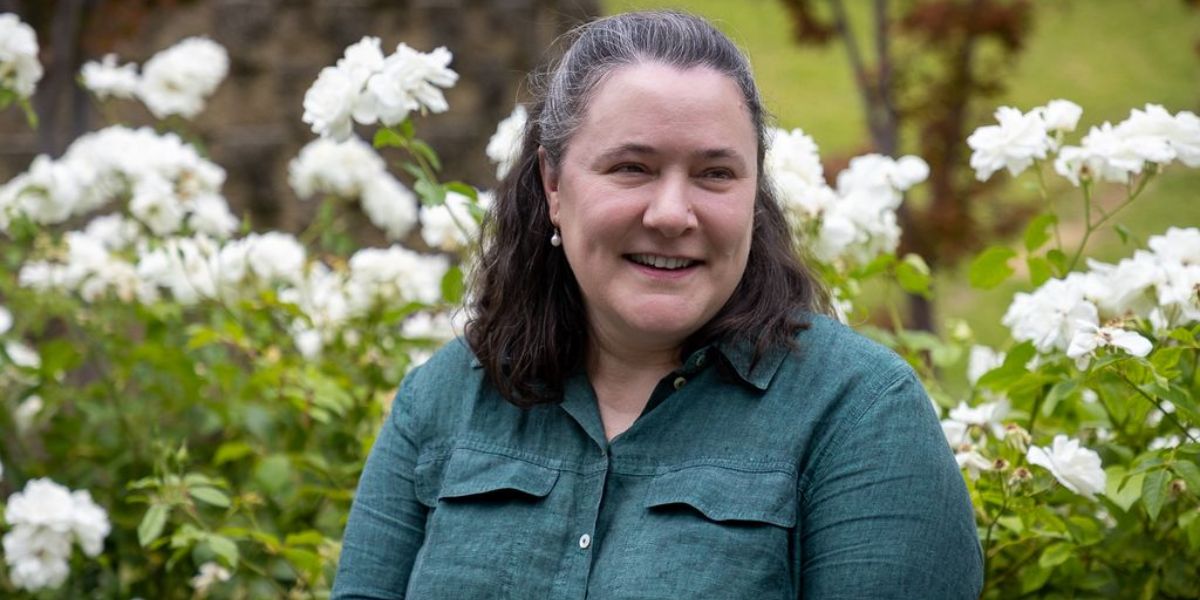
UNE researcher and registered GP Dr Jacqueline Epps is a Chief Investigator in a multi-party effort to establish consistent, effective diagnosis and treatment protocols for Post-Acute Sequelae of COVID-19 (PASC), informally known as “Long COVID”.
While around one in 10 people infected with COVID-19 develop Long COVID, there is no nationally consistent care pathway and no approved treatment.
International studies have shown that physical rehabilitation and psychological support strategies have been effective at improving quality of life in Long COVID sufferers and sometimes alleviate symptoms. The strategies have not been evaluated in Australia or packaged into a multidisciplinary treatment.
The new project, Scalable Allied Health and General Practitioner Responses to Long-COVID in primary care (SAGE), will compare multidisciplinary symptom-focused rehabilitation – combining physical therapy and psychological support – with self-directed management in primary care.
Dr Epps said that SAGE will also address critical gaps in Long COVID care identified in the Australian Government’s PASC Research Plan.
“General Practitioners face real challenges with Long COVID – studies show only a small minority feel very confident in diagnosing it, yet the vast majority want to learn more,” Dr Epps said.
“The outcomes from SAGE will provide comprehensive support, education, and training to upskill GPs, practice nurses, and allied health professionals, as well as patients themselves, in the diagnosis and multidisciplinary care of PASC.”
Dr Epps will lead recruitment and training of rural clinicians across the New England region, working with the Hunter New England and Central Coast Primary Health Network.
The research will involve local GPs, practice nurses, physiotherapists, exercise physiologists, and psychologists, with telehealth support where needed.
“What’s particularly important is that SAGE isn’t just testing whether multidisciplinary care works – it’s testing whether it can work equitably across Australia, including in rural and remote communities,” she said.
“By recruiting from diverse settings and testing feasibility for populations living rurally, SAGE ensures we’re building a scalable framework that improves PASC care for all Australians, not just those in cities.”
If proven cost-effective, the model could be embedded into primary care funding nationally, creating a scalable approach that doesn’t depend on centralised specialist clinics.
Dr Epps said the project would also enrich medical education at UNE, particularly in preparing future rural health professionals.
“During clinical placements in participating general practices, medical students will learn alongside real research addressing a major health challenge affecting rural communities,” she said.
“This builds research capacity right here in the New England region and demonstrates that rigorous, impactful research happens in rural primary care. Not only do those with Long COVID have the opportunity to support their health by participating, but our community also has the opportunity to be part of solving this problem.”
Resources developed through SAGE will be delivered through professional organisations, with findings informing updates to national health guidelines.
Don’t miss any of the important stories from around the region. Subscribe to our email list.