

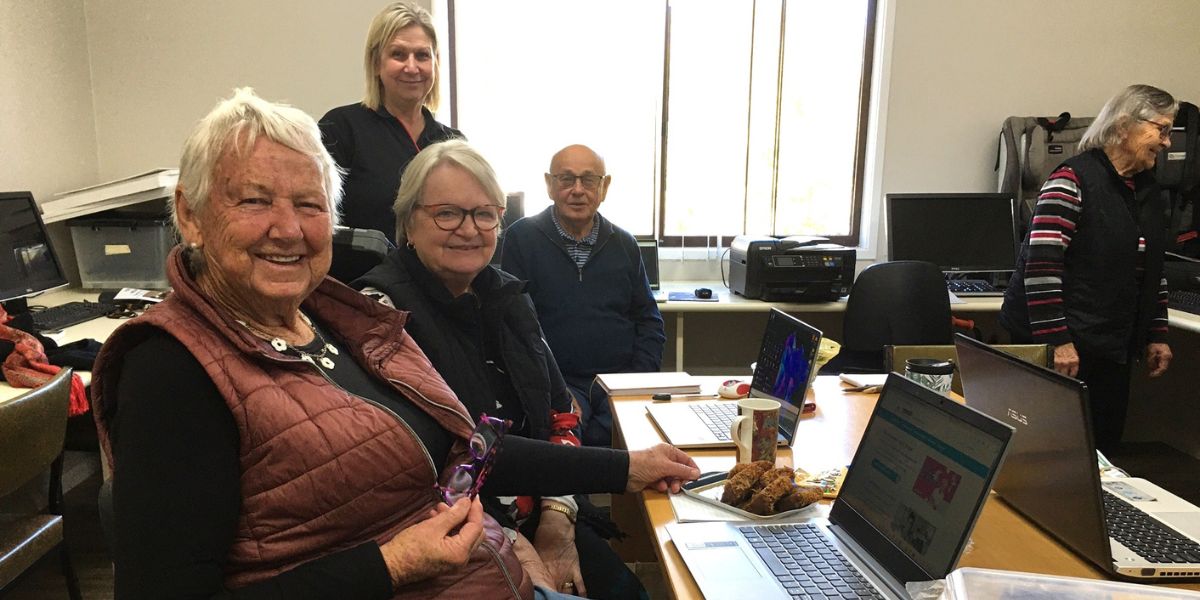
Remote, rural and regional community groups can now apply for grants of up to $10,000 under round four of Telstra’s Connected Communities Grant Program, which opened today.
The program, delivered by the Foundation for Rural & Regional Renewal (FRRR) in partnership with Telstra, will distribute $200,000 to support locally led initiatives aimed at strengthening digital inclusion, enhancing community connection and resilience, and improving the sustainability and liveability of rural Australia.
Now in its fourth year, the program has supported almost 70 not-for-profit organisations nationwide to upgrade digital infrastructure, deliver digital skills training, improve disaster preparedness and strengthen service delivery. Organisers say the projects have contributed to greater digital equity, stronger social connection, improved volunteer and staff capability, and environmental and cultural benefits.
FRRR Head of Granting Jill Karena said previous funding rounds showed communities were seeking more than just access to technology.
“Digital access is fundamental to community wellbeing and opportunity – whether you’re running a local service, volunteering, learning, caring for Country or staying connected in times of crisis,” Ms Karena said.
“Rural communities are using digital tools in incredibly creative and practical ways: from First Nations organisations developing digital platforms to share language and culture, to volunteer groups strengthening emergency communication, through to Neighbourhood Centres delivering cyber safety workshops and digital mentoring.
“Grants that support projects like these help bridge the digital divide by enabling community groups to embed technology into local solutions, build long-term capability and ensure no one is left behind.”
The program has attracted strong interest from organisations seeking to modernise operations, boost cyber security, develop digital learning programs, support remote participation and equip community hubs with accessible technology. Demand is also growing for tools that improve disaster readiness and strengthen social connections, particularly for older people, young people and residents experiencing isolation.
Telstra Regional Australia Executive Loretta Willaton said the company was proud to support grassroots organisations using technology to strengthen their communities.
“The organisations applying to this program are tackling very real challenges – distance, limited connectivity, workforce pressures, ageing populations and more,” Ms Willaton said.
“What stands out year after year is how communities are able to innovate when they have the right tools. They are improving emergency response systems, creating safe and inclusive digital learning spaces, preserving environmental and cultural knowledge, and ensuring people can stay connected, informed and supported – no matter where they live.
“Telstra is proud to work with FRRR to support these local solutions and help build a more digitally capable and resilient rural Australia.”
A free online information session for prospective applicants will be held from 12pm to 1pm AEDT on Tuesday, 3 March, providing guidance on eligibility, project design and the application process. Registration details are available via the 2026 Telstra’s Connected Communities Grantseeker Workshop link.
Applications opened at 9am AEDT on Tuesday, 24 February and close at 5pm AEDT on Thursday, 26 March. Successful applicants will be notified by the end of June 2026.
Community impact to date
Insights from the first three funding rounds indicate community-led digital projects are delivering practical, long-term outcomes across rural Australia.
Reported impacts include increased:
- Digital literacy and inclusion: skills training for seniors, culturally and linguistically diverse (CALD) communities, young people, people with disability and First Nations communities, supporting language, culture and education programs.
- Community resilience: upgraded emergency communications, mobile boosters, satellite equipment and digital alert systems, alongside improved training access and operational capacity for volunteers.
- Education and youth engagement: provision and upgrade of infrastructure such as tablets, video conferencing equipment, digital learning kits, creative media programs and enhanced online learning environments.
- Social connection: new technology and training enabling remote participation, upgraded community hubs as digital anchors, online programs and shared learning spaces.
- Environmental and cultural innovation: digital storytelling initiatives, environmental monitoring tools and First Nations-led cultural projects.
- Organisational capability: modernised systems, improved websites, cloud-based platforms and volunteer management software.
FRRR said the outcomes demonstrated how placing technology in the hands of local communities could build resilience, equity and stronger connections across rural Australia.
Don’t miss any of the important stories from around the region. Subscribe to our email list.