

Narrabri Shire Council will implement Level 4 water restrictions for the Narrabri township from 7am Saturday, 24 January, as sustained high demand and forecast extreme heat place increasing pressure on the town’s water supply system.
Council’s Infrastructure Delivery Director Warren Faulkner said water demand is currently exceeding the system’s ability to replenish, resulting in falling reservoir levels.
“Over the past few days, more water has been leaving the system than can be fed back in,” Mr Faulkner said.
“Current demand is averaging around 145 litres per second, while our maximum inlet supply is approximately 110 litres per second.”
Mr Faulkner said prolonged hot conditions are compounding the situation, with water use expected to rise further as residents rely more heavily on evaporative cooling, showers, and general household use.
“Namoi Reservoir is currently sitting at approximately 60 per cent, while the town reticulation reservoirs are being maintained at around 90 per cent,” he said.
“However, the distribution tank at the Namoi Reservoir is unable to recover while demand remains at these levels, particularly as we are relying primarily on the Elizabeth Street bore to feed water back into the system.”
Narrabri Shire Mayor Darrell Tiemens said the decision to escalate to Level 4 restrictions was not taken lightly, but was necessary to allow the system time to stabilise during peak demand.
“We know these restrictions are challenging, especially during very hot weather, but they are about protecting our community’s access to safe and reliable drinking water,” Mayor Tiemens said.
“Our priority is to make sure people can continue to use water inside their homes for essential needs like cooling, drinking, and hygiene.”
Mayor Tiemens said Level 4 restrictions are specifically designed to curb non-essential outdoor water use, giving reservoirs the opportunity to refill and allowing groundwater sources time to recharge.
“The biggest change under Level 4 is the full restriction on fixed hose sprinklers, as well as no washing down of buildings, driveways, or footpaths,” he said.
“These measures are about managing demand sensibly during peak conditions so the system can recover.”
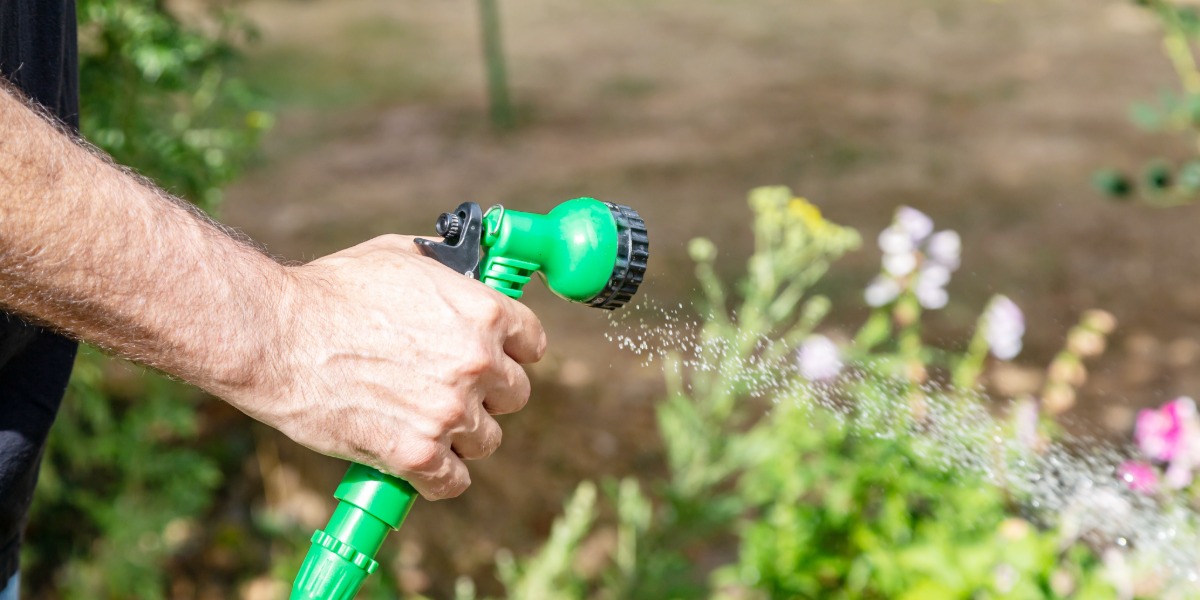
Under Level 4 restrictions, residential garden watering is limited to handheld hoses only between 7pm and 7am, while cleaning of footpaths, driveways, and buildings is not permitted. Vehicle washing is not allowed, and filling new swimming pools requires council approval, although topping up existing pools is permitted.
For commercial users, lawns and gardens, including sporting facilities, are restricted to recycled water and handheld hoses only. Schools and health care services may use handheld hoses between 7pm and 7am, while cleaning activities must use recycled water. Emergency services are exempt from restrictions.
Council facilities will also face tightened limits, with public parks and gardens restricted to limited fixed hose and sprinkler use, reduced watering on sports grounds, and splash parks temporarily closed.
Council emphasised the restrictions are not expected to be long term and will be reviewed as conditions allow.
“Once the heatwave conditions ease and demand reduces, Council will reassess the situation with the aim of stepping back to Level 3 restrictions as soon as it is safe to do so,” Mayor Tiemens said.
“We are monitoring the system daily and will continue to keep the community informed.”
Mr Faulkner said work continues on medium and long-term solutions, including installing a portable water treatment plant and progressing new bore options, but immediate demand management remains critical.
“Without stronger restrictions during this period of extreme heat, the risk to supply increases significantly,” he said.
“These measures give us the best chance to protect the system while we work toward more resilient solutions.”
Something going on in your part of the New England people should know about? Let us know by emailing newsdesk@netimes.com.au