

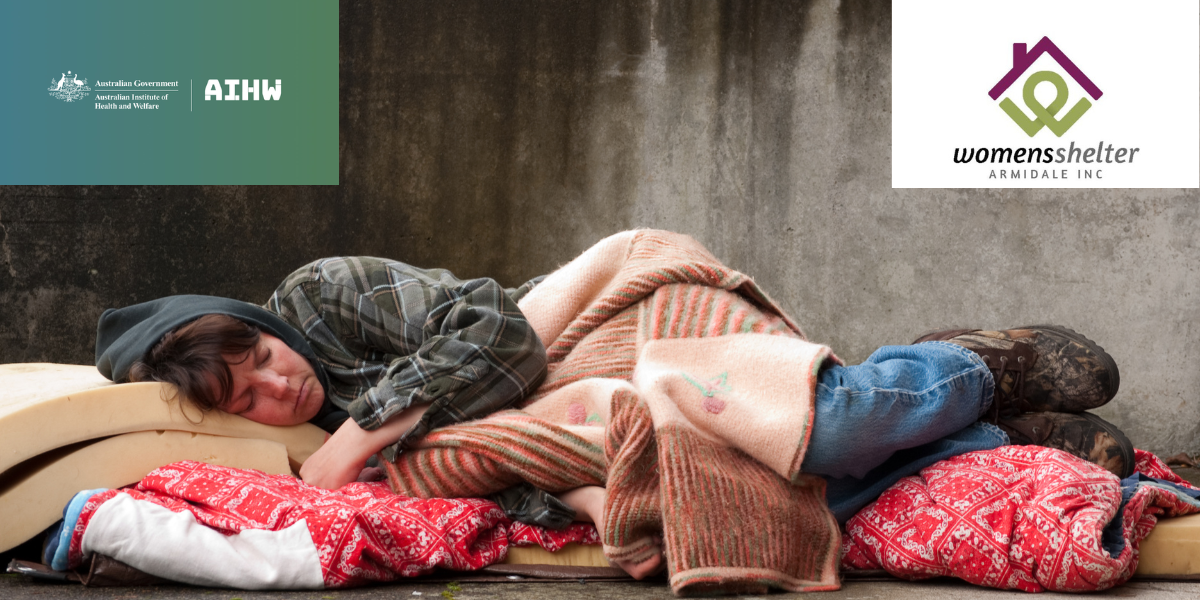
New national data has confirmed what frontline services in the New England region have been warning for months. Homelessness is rising rapidly, people are seeking help later, and the system no longer has the capacity to respond.
Figures released by the Australian Institute of Health and Welfare show Specialist Homelessness Services across Australia are now turning away an average of 353 people every day because they cannot meet demand. Almost four in five of those turned away are women and children, many fleeing domestic and family violence.
The number of people seeking help who are already homeless has increased by six per cent nationally, while rough sleeping at the point of seeking help has risen by 12 per cent. One in five people accessing services reported sleeping rough in the month before asking for support.
In New South Wales, the pressure is particularly visible. Homelessness NSW reports that an average of 59 people per day are being turned away from homelessness services because they are full, up from 57 last year. Almost 40 per cent are turned away because there is no accommodation available.
Of the 67,824 people who sought homelessness assistance in NSW in 2024 to 25, the highest numbers were recorded in the Capital Region, followed by Sydney City and then New England.
For Women’s Shelter Armidale, the data reflects daily reality. Chief Executive Officer Heidi Burton said demand had increased sharply over the past year, but so had the severity of need.
“Yes, demand has increased, but it’s not just volume, it’s complexity. We are seeing more people arriving already at the point of crisis. By the time many women and families contact us, they have already run out of safe options.”
Ms Burton said the drivers in the region were clear. New England faces one of the tightest rental markets in the state, with very limited affordable housing stock. At the same time, the region has one of the highest reported domestic and family violence rates in NSW, around twice the state and national average.
“When you combine high violence with no housing exits, you create a pipeline into homelessness,” she said. Women are leaving violence with their children and finding there is simply nowhere safe and affordable to go.
Nationally, children now make up 27 per cent of all homelessness service clients and, together with their mothers, account for 73 per cent of people seeking support. More than 40 per cent of all clients have experienced domestic or family violence.
“A woman leaving violence isn’t just finding a house, she’s trying to keep her children safe, keep them in school, and hold daily life together while everything is falling apart,” Ms Burton said.
The crisis is also affecting people in work. More than one in ten people seeking help nationally had a waged income, and in NSW, that figure has risen to 16 per cent.
“We are seeing working people who cannot consistently afford groceries,” Ms Burton said. “People are choosing between rent, fuel, power and food. That’s not a budgeting problem, that’s a system problem.”
Homelessness Australia is calling for a dedicated Homelessness Prevention Fund to allow services to intervene earlier, before people lose their homes.
“A fast, flexible prevention fund would make a real difference here,” Ms Burton said. “It can pay a bond, cover moving costs, clear rental arrears, or stabilise a family at the moment they’re tipping into crisis. That small intervention can prevent homelessness entirely.”
Without increased investment in both housing and prevention, services warn the numbers will continue to rise, and the human cost will keep growing.
If you need help or are upset by this story, please seek support.
- 1800 RESPECT 1800 737 732
- Lifeline 13 11 14
- 13Yarn 13 92 76
- Beyond Blue on 1300 224 636
- Kids Helpline on 1800 551 800
- Headspace on 1800 650 890