

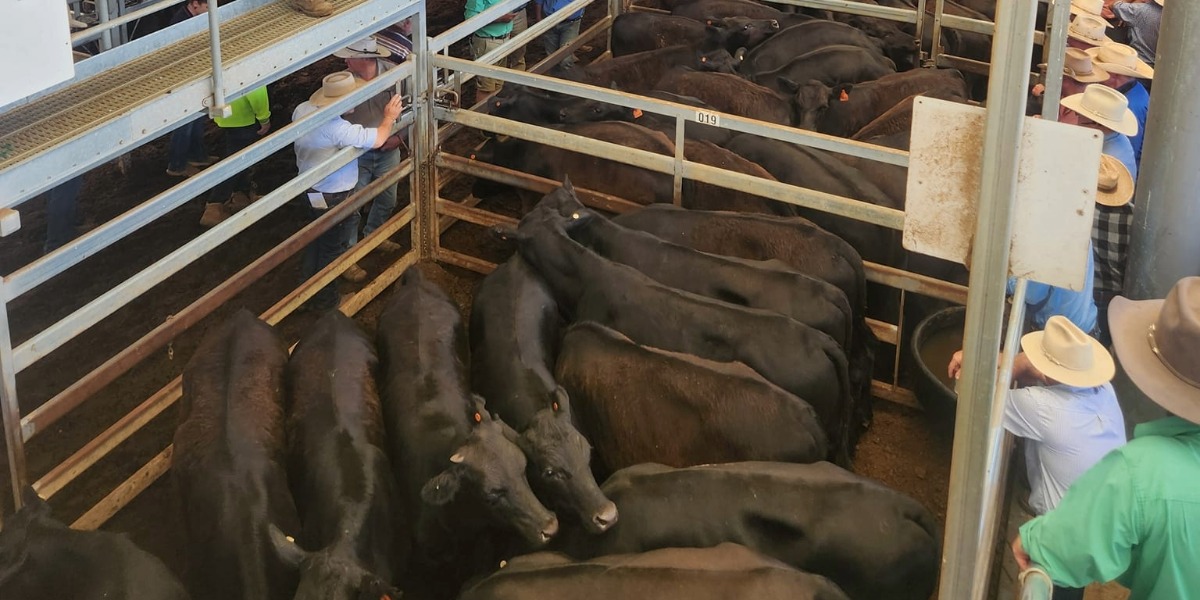
Local producers across the New England are likely to feel the impact of China’s sudden decision to impose tariffs of up to 55 per cent on beef imports, a move that has caught Australia’s beef industry off guard and placed billions of dollars in trade at risk.
China announced they will be applying safeguard tariffs to beef shipments from countries, including Australia, once imports exceed set quotas. The decision is aimed at protecting China’s domestic farmers and producers, but Australian industry groups warn it could significantly reduce demand for locally produced beef and place downward pressure on prices at the farm gate.
Under the new arrangements, Australia has been allocated 205,000 tonnes of beef under China’s total 2.7 million-tonne import quota for 2026. Shipments above that level will attract tariffs of up to 55 per cent for the next three years. Industry estimates suggest the restrictions could cut Australia’s beef exports to China by about a third compared with 2025, equating to a loss of more than $1 billion in annual trade.
Angus and Wagyu producers are expected to be hardest hit, meaning many New England producers will be affected. China remains one of Australia’s most valuable beef export destinations, particularly for higher-value cuts, and any disruption is expected to ripple through the supply chain.
The move has also raised questions about the Australia–China Free Trade Agreement signed in 2015. While other exporting nations are also subject to quotas, industry groups and the federal opposition argue the safeguard breaches the spirit of the agreement. China has confirmed it will suspend part of the agreement covering beef.
Trade Minister Don Farrell said Australian officials had raised concerns directly with Beijing and described the decision as unjustified.
“We have made it clear to China that Australian beef is not a risk to their beef sector, and that we expect our status as a valued free trade agreement partner to be respected,” he said.
“Australia is a trading nation, with a network of trade agreements spanning almost 80 per cent of the globe.”
Agriculture Minister Julie Collins said the government had “serious concerns” about the tariffs and was working closely with industry to assess the full impact.
“We will always stand up for our farmers and producers, and for our proud beef industry,” she said.
Processors have also warned of immediate commercial consequences. Casino Food Company chief executive Simon Stahl told the ABC the tariffs would significantly affect his business.
“It’s about a quarter of our business, 20 to 25 per cent, so about a gross value of $100m is the business to China,” he said.
He said while supply could be redirected into other export markets, that shift would come at a cost.
“It would be at a lower price and that’s not going to be good for anyone, for processors and the farmers in this country,” he said.
Meat & Livestock Australia managing director Michael Crowley said the organisation was disappointed by China’s decision to implement a global safeguard measure on beef imports, including Australian beef.
“Meat & Livestock Australia has expressed its disappointment on behalf of Australia’s red meat industry following the announcement by China’s Ministry of Commerce to implement a global safeguard measure on beef imports, including Australian beef,” he said.
“Australia has consistently engaged with China throughout their investigation process, making clear at every opportunity that our exports are not the cause of any alleged injury to China’s domestic beef sector. We have also reminded China of Australia’s position as a trusted free trade partner and hope that will continue to be respected.”
Crowley said China would continue to be a critical market for Australian beef, but warned the new tariffs would have real consequences.
“China remains and will continue to be an important market for Australian beef and this tariff will impact our customers within China significantly,” he said.
He said MLA’s in-market teams were already working with Chinese importers as the measure is rolled out.
“MLA’s China offices will liaise closely with our customers and importers in-market as this measure is implemented,” he said.
Crowley said MLA would continue its broader role in supporting exporters and producers.
“MLA plays a critical role in driving market access and marketing Australian red meat globally, including maintaining a strong presence in China to support trade relationships and promote Australian beef,” he said.
“While this safeguard measure will impact all major beef suppliers to China, not just Australia, we will continue to work closely with the Australian Government and industry partners to seek clarity on the measure and pursue the best possible outcome for Australian beef producers,” he said.
Got something you want to say about this story? Have your say on our opinion and comment hub, New England Times Engage
