

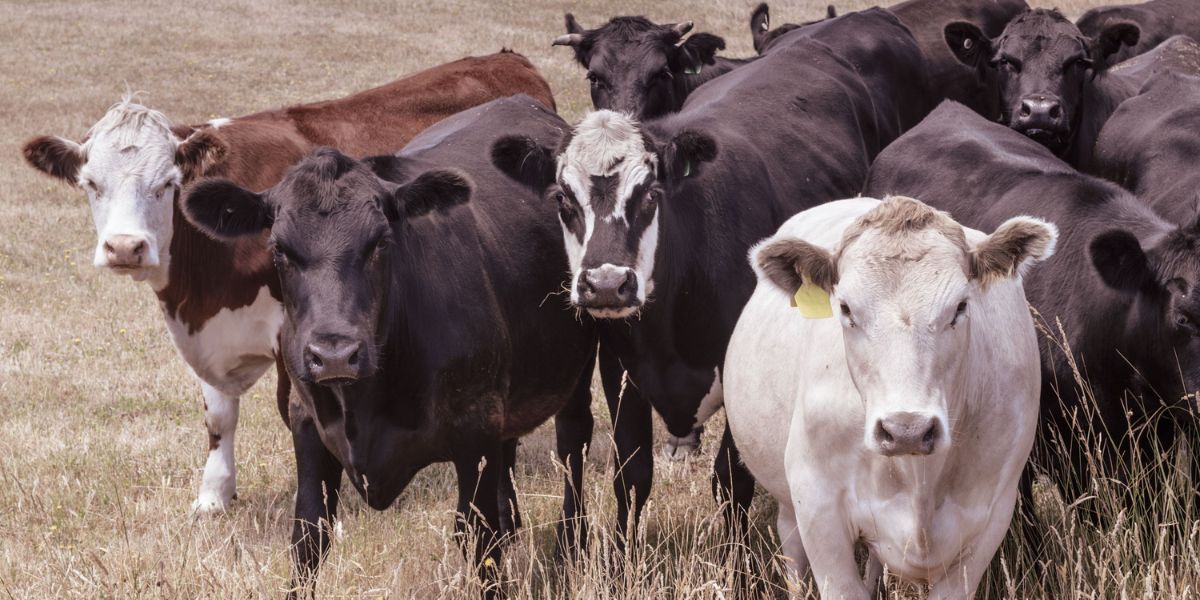
With the countdown on to Christmas, Local Land Services is reminding landholders that a bit of pre-Christmas planning could take a number of stresses away this festive season.
Without the option of selling stock with markets and meatworks closed over Christmas, livestock producers need to ensure they have sufficient feed on hand, whether that’s grass in the paddock, grain in the silo or hay in the shed.
“Think about your livestock numbers, and the quality and quantity of feed you have available to maintain animals in a healthy condition until markets reopen in the new year,” Local Land Services Principal Program Manager Animal Biosecurity & Welfare, Lyndell Stone, said.
“Now is a good time to bring stock into the yards, condition score them and draft off any animals suitable for sale, either via the saleyards or direct to a processor before the abattoirs close for the holidays.”
Water supplies are also an important issue to consider as the summer weather warms up. Make sure bores and troughs are working well and if dams are likely to dry up, start planning now on moving stock to paddocks with a secure water source.
It’s important to remember that livestock will increase water consumption significantly in warm weather.
During summer, landholders should look out for signs of heat stress in their animals, including open mouth breathing, shallow and rapid breathing, shade seeking, reduced feed intake and increased water intake, staggering, and potentially death.
If you’re mustering or handling livestock, it is essential to meet basic animal welfare standards, such as:
• move livestock during early morning or late afternoon when temperatures are cooler
• provide sufficient shade and water for animals to rest and cool down
• ensure you have sufficient feed and water available during the Christmas shut down period to maintain animals in healthy condition until markets reopen in the new year.
If livestock producers have any concerns and suspect an emergency animal disease during the Christmas holiday shutdown period, please call the Emergency Animal Disease hotline on 1800 675 888 immediately.
For further information and local advice about your livestock, speak with a NSW Government Local Land Services district veterinarian on 1300 795 299.
Something going on in your part of the New England people should know about? Let us know by emailing newsdesk@netimes.com.au