

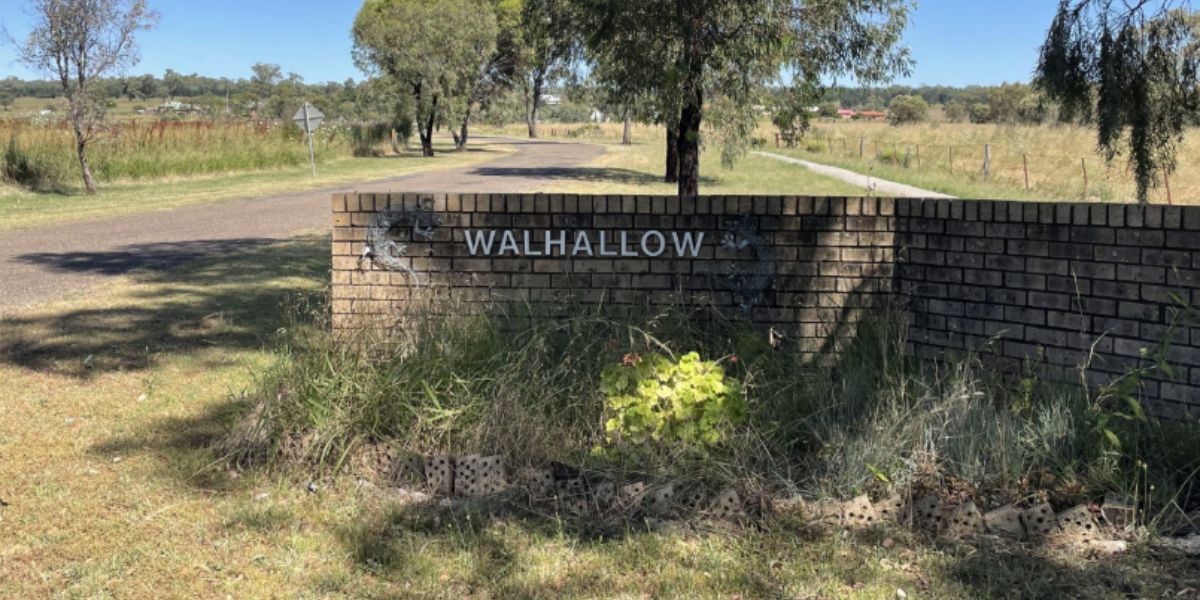
Walhallow Local Aboriginal Land Council (WLALC) has been chosen as on of 11 Aboriginal, Torres Strait Islander and culturally and linguistically diverse (CALD) community groups and organisations across the country to receive a piece of more than $320,000 through Dementia Australia’s inaugural Diversity Small Grant program.
WLALC CEO Jason Allan says the funding will help his organisation to deliver much-need dementia education workshops aimed at supporting families, including young people, across the community.
“Dementia can impact anyone in the community and with this grant WLALC will kick start and continue the conversations about those impacts and the challenges of living with dementia,” Mr Allan said.
“Our project involves culturally tailored dementia awareness workshops for the Gamilaroi community in Walhallow, NSW. These sessions will cover early signs, support options, and care strategies, all presented with respect for Aboriginal cultural practices.
“WLALC wants to highlight available dementia support options and resources in the region and help provide education on dementia to the community.”
Each of the 11 recipients were awarded up to $30,000 each to fund activities focused on building greater awareness and understanding of dementia in their local communities.
The grants come at time when dementia prevalence rates among First Nations people are approximately three to five times higher than that of the general Australian population and with at least 28 per cent of people living with dementia in Australia born in a non-English speaking country.
Dementia Australia CEO Professor Tanya Buchanan says supporting diverse community groups and organisations was crucial to an inclusive future were everyone has an awareness of dementia, knows how to lower their risk of developing it and is aware of what supports are available.
“Each of the community groups or organisations selected as grant recipients know their communities. We will now see a wide range of projects come to life that aim to increase dementia awareness in a way that is culturally sensitive and appropriate,” Professor Buchanan said.
“The standard of applicants was extremely high; I congratulate all grant recipients, and I look forward to seeing all of the projects up and running.”
Don’t miss any of the important stories from around the region. Subscribe to our email list.