

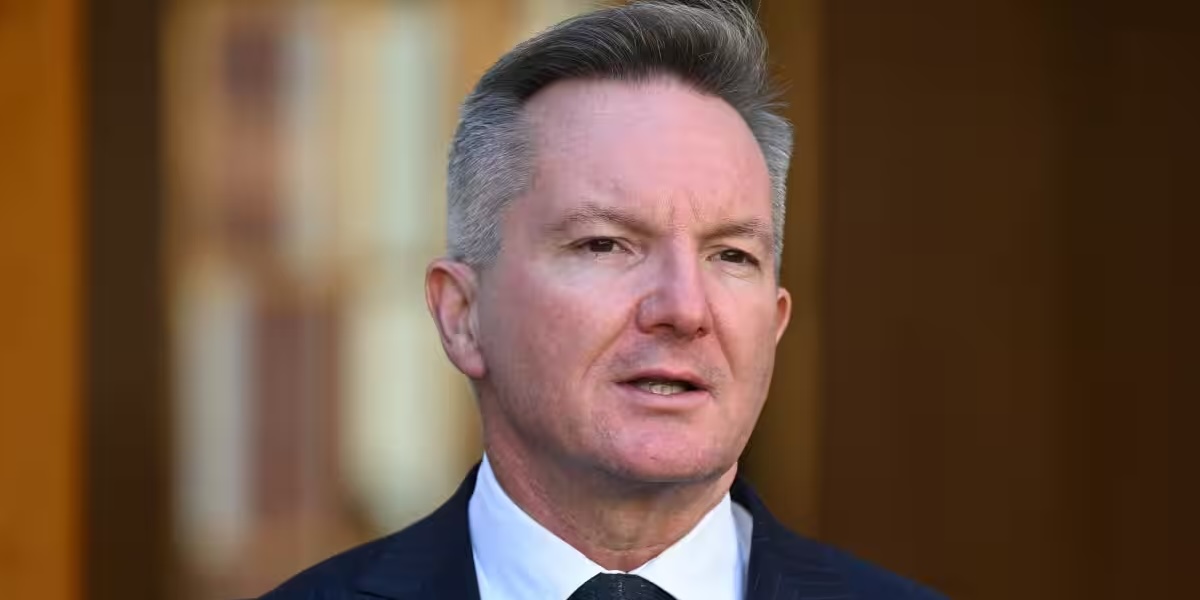
The Federal Government says fuel is flowing into regional Australia, but much of the additional diesel being prioritised for farmers is not reaching the New England.
Minister for Climate Change and Energy Chris Bowen said supply into Australia remained stable, with no cancellations of shipments and contracted deliveries secured well into May.
“I’ve been in constant contact with the fuel companies, and I can confirm that there appears to be no cancellations of expected deliveries into Australia and they now have secured contracted supply well into May,” Mr Bowen said.
Extra flowing, but not here
Bowen confirmed New South Wales still had the highest number of service stations without diesel, reporting the outage figures daily in press conferences.
Mandatory reporting data also shows no service station in the New England has been without fuel or diesel for more than a day at a time, suggesting availability remains constrained but not critically disrupted.
“We are continuing to deal with very high demand for diesel in particular,” Mr Bowen said.
“The supply chain in regional NSW in particular has been stretched as it’s sowing and seeding season in NSW and we have, with the industry, been prioritising getting diesel to farmers so they can get their crops into the ground.”
“Nevertheless, good progress but more work to do to ensure that fuel gets to where it’s needed.”
However, figures provided by the Minister’s office show the bulk of additional diesel is being directed to the Central West, including 1.2 million litres to retail and agricultural networks and 400,000 litres for on-farm storage around Dubbo.
In contrast, the only confirmed additional allocation across the New England is 60,000 litres to a single independent service station in Gunnedah, despite the New England delivering more than a quarter of the state’s grain production.
The additional fuel released from national stockpiles, as well as changes to diesel standards, were intended to reduce the supply constraints, and came with the condition that the additional supply was prioritised for farmers. Demand for diesel remains high, with the spot price around a dollar higher than unleaded petrol.
Mr Bowen said national fuel stocks remained at 39 days, even as demand surged.
“Demand for petrol and diesel was 30 percent higher this Easter than last Easter,” he said.
Transwest business model problematic
Bowen said the increase in demand meant customers were drawing down 100 percent of their contracted fuel allocations, leaving less available on the spot market, which is relied on heavily in regional areas.
“The companies are legally obliged to meet their contracts to people who have contracted diesel in particular in advance,” he said.
“I have always recognised that that has meant some real challenges in regional Australia.”
That market reality may help explain why Transwest Fuels, one of the region’s largest independent distributors, continues to report supply issues while most other distributors say they are not experiencing the same problems.
Transwest has claimed it received over one million litres less than its usual volume in March and has been vocal on social media about ongoing shortages.
The company has previously acknowledged it operated largely without formal supply contracts.
“We’ve done business with these oil companies and our suppliers on handshakes. I mean, that’s, that’s the Australian way. And now we’re being punished for it.”
However, industry sources say most bulk suppliers in the New England, particularly those servicing the Golden Triangle, are securing their normal allocations. Other local bulk suppliers contacted either denied any issues or declined to comment.
In the latest video, Transwest Fuels Managing Director Ben Clifton appears to acknowledge that their business model is the problem, but they don’t think it is fair that those with contracts get supplied first.
“We’re trying to understand why we’ve even been locked out, or why we’re not operating 100%,” Clifton said.
“Since our first meeting in Canberra, our capacity to serve regional New South Wales and Queensland has dropped by 30% you know? Is that fair?”
“No wonder major oil is saying that sales are up 30% you know, they’ve got it all from the independents.”
“We need our supply restored before regional competition is basically gone.”
They also appear to be using populist political tactics of faux outrage and social media sharing to try and bully the market, including requests for people to share their videos to build political pressure.
“I hope everyone can share this and we can keep Canberra to account,” Clifton said.
No need for rationing
Transwest has also joined Barnaby Joyce in calling for fuel rationing to be introduced, but the Federal Government has rejected that approach, saying it is not required under current conditions.
Australia is operating under stage two of its four-stage fuel security plan, which includes releasing stockpiled fuel and supporting importers to secure additional supply.
Stage three would introduce voluntary measures such as carpooling, while stage four would trigger rationing to prioritise essential services.
“But we are a long way from that,” Mr Bowen said. “I’m pleased with the supply into Australia at this point.”
Transwest were contacted multiple times to try and get more information and comment on the supply issues they claim are ongoing, but did not respond.
Got something you want to say about this story? Have your say on our opinion and comment hub, New England Times Engage