

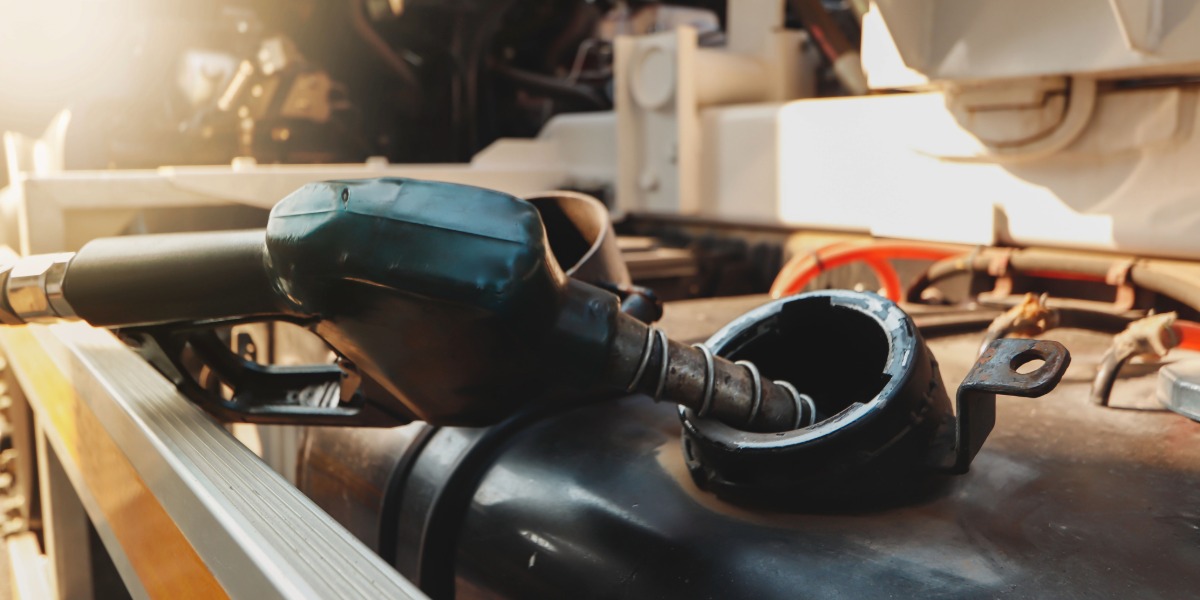
Police are warning farmers and rural landholders to be on alert for fuel theft as the federal government moves to release additional diesel supplies to ease shortages across regional Australia.
The NSW Police Rural Crime Prevention Team says rising fuel prices and tightening supply chains are creating conditions where theft from on-farm storage is likely to increase.
The warning follows an investigation launched by officers from Central West Police District after about 800 litres of diesel was stolen from a rural property sometime between Sunday 22 February and Sunday 1 March.
Acting State Rural Crime Coordinator Detective Acting Inspector Andrew Maclean said police expected the number of incidents to rise as fuel became more valuable.
“The Rural Crime Prevention Team are anticipating that with the recent increase in the cost of fuel, an increase in fuel theft is likely to occur,” Detective Acting Inspector Maclean said.
“Landholders are asked to remain vigilant around their on-farm fuel storage.”
Police are urging farmers to secure bowsers, monitor fuel usage closely and consider installing surveillance cameras around storage tanks.
“Police encourage installing surveillance cameras, securing bowser handles with padlocks, and keeping detailed records of all fuel usage using the NSW Police fuel theft report template,” Detective Acting Inspector Maclean said.
Investigators are also urging landholders to report every incident of fuel theft, even smaller losses, as those reports help police identify patterns and track organised activity.
“The Rural Crime Prevention Team are imploring victims of fuel theft to report every instance of fuel theft from farms,” he said.
“Timely reporting allows police to investigate reports and to monitor trends.”
Officers are asking the public to keep watch for unfamiliar vehicles around rural properties or equipment commonly used to transport stolen fuel.
“Be aware of any vehicles that you may not recognise in your local community, or portable ute back tanks, 44-gallon drums or shuttles on the back of vehicles or in trailers,” Detective Acting Inspector Maclean said.
Police are also interested in information about anyone attempting to sell fuel at heavily discounted prices outside legitimate service stations or distributors.
The warning comes as governments move to stabilise fuel supplies following shortages across regional Australia triggered by global oil disruptions and surging demand.
Energy Minister Chris Bowen said Australia currently held more than a month’s supply of fuel, including 1.6 billion litres of petrol, 2.7 billion litres of diesel and 800 million litres of jet fuel, as authorities worked to relieve distribution pressures affecting rural areas.
“What we have seen is real and unacceptable shortages in rural and regional areas in particular,” Mr Bowen said.
He said demand had surged dramatically, with fuel demand doubling at terminals across Australia as motorists and businesses attempted to secure supplies.
In response, the federal government has authorised the release of up to 762 million litres of petrol and diesel from emergency reserves to help ease shortages, with regional communities expected to be prioritised.
The move has been welcomed by the National Farmers’ Federation, which said ensuring diesel reached regional areas was critical for food production.
“Trucks, tractors and fishing boats all run on diesel,” NFF President Hamish McIntyre said.
“It’s essential for harvesting crops, transporting livestock and fodder, and getting food and fibre to market.”
The NSW Government has also announced it will convene an urgent fuel roundtable involving transport companies, agriculture groups, logistics operators and local councils to coordinate the state’s response.
Premier Chris Minns urged motorists not to panic buy fuel as authorities worked to stabilise supply chains.
“I appreciate this is a stressful time for everyone but it’s important people don’t buy more fuel at the bowser than they need,” he said.
Fuel theft in progress or trespassing around farm storage facilities should be reported immediately by calling 000.
Read all the way through to the end of the story? So did lots of other people. Advertise with New England Times to reach New England locals who are interested and engaged. Find out more here.