

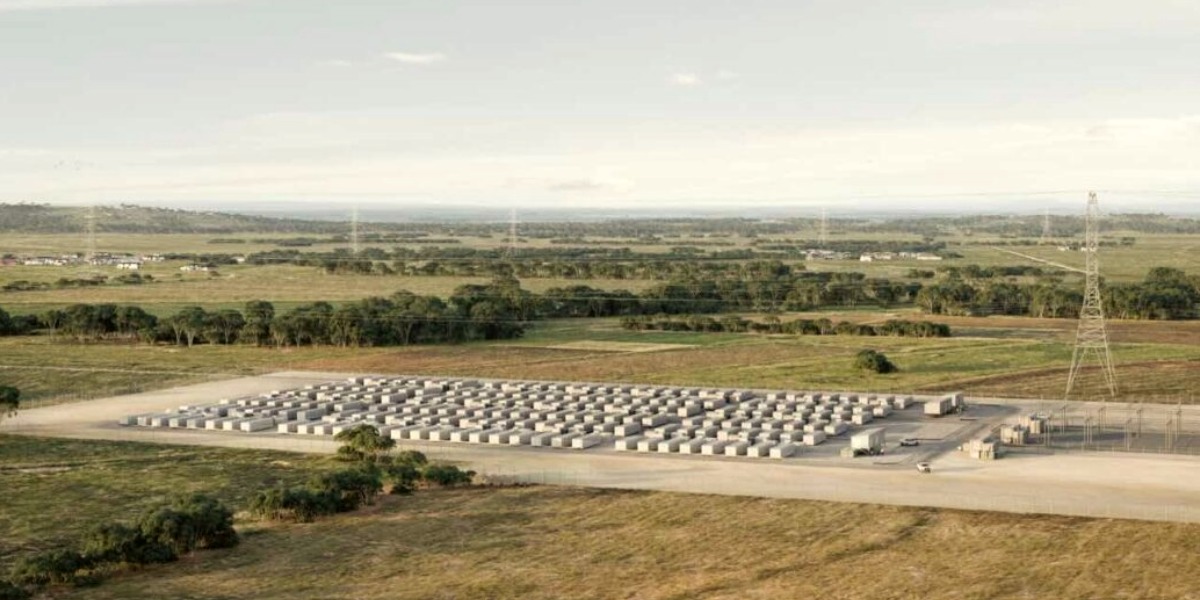
Three large-scale battery projects proposed for the New England have been awarded state-backed contracts as part of the NSW Government’s long-duration energy storage rollout, although the three projects are at very different stages of development and all remain subject to planning approval.
The NSW Government has confirmed contracts have been awarded for the Armidale East Battery Energy Storage System, the Ebor Battery Energy Storage System near Armidale, and the Kingswood Battery Energy Storage System near Tamworth.
Battery Energy Storage Systems, or BESS, is a firming technology that combines large-scale batteries with battery management and power conversion systems that allow electricity to be stored and released steadily back into the grid. They are designed to capture renewable energy during periods of high solar or wind generation and dispatch it when demand is high or renewable output is low, enabling renewables to provide baseload power.
Minister for Climate Change and Energy Penny Sharpe said the rollout of grid-scale batteries would support reliability and place downward pressure on electricity prices.
“These six big batteries mean we’re on track to smash our storage targets, harvesting the sun and the wind so we can power NSW around the clock and put downward pressure on prices,” Ms Sharpe said.
Of the three New England projects, the Armidale East Battery Energy Storage System is the most advanced. Proposed by FRV Services Australia, the project would provide 1,440 megawatt hours of storage and is well progressed, with expectations that it could be operational by 2027, subject to final approvals.
The Ebor Battery Energy Storage System, proposed by Bridge Energy and designed to store 870 megawatt hours, is at a much earlier stage. The project is currently in the “prepare environmental impact statement” phase, with assessment and consultation processes still to be undertaken, and its future remains uncertain.
The Kingswood Battery Energy Storage System near Tamworth, proposed by Iberdrola Australia and planned to provide 1,080 megawatt hours of storage, has attracted significant local opposition. As a result, the project is widely expected to face substantial delays and may not proceed if approval is ultimately refused.
Ms Sharpe said the Government would continue to support new energy infrastructure as NSW transitions its electricity system.
“We’re not stopping here – NSW will support more projects, so we’re ready for a grid powered by renewable energy, supported by gas,” she said.
All three New England battery projects are classified as State Significant Developments and will be independently assessed by the NSW Department of Planning, Housing and Infrastructure or, where required, the Independent Planning Commission. The Government has welcomed community feedback as part of those processes.
Projects awarded a Long-Term Energy Service Agreement must still pass through all relevant planning approval stages. The NSW Government said the agreements provide revenue underwriting to give proponents investment confidence, but do not override planning controls.
If any project awarded a Long-Term Energy Service Agreement does not proceed, the Government said there will be no financial cost to NSW electricity consumers or taxpayers.
The projects form part of a broader tender process overseen by AEMO Services Limited under the NSW Electricity Infrastructure Roadmap, which targets at least 16 gigawatt hours of long-duration storage by 2030, increasing to 28 gigawatt hours by 2034.
Got something you want to say about this story? Have your say on our opinion and comment hub, New England Times Engage