

Police commands across New England are set to benefit from a fresh wave of frontline officers, with a record-breaking class of 341 recruits graduating from the Goulburn Police Academy – the largest cohort in 13 years.
The attestation of Class 367 marks the third milestone class for 2025, as the State Government claims its recruitment and wage reforms are reversing a long-standing decline in NSW Police Force (NSWPF) numbers, particularly in regional and rural areas.
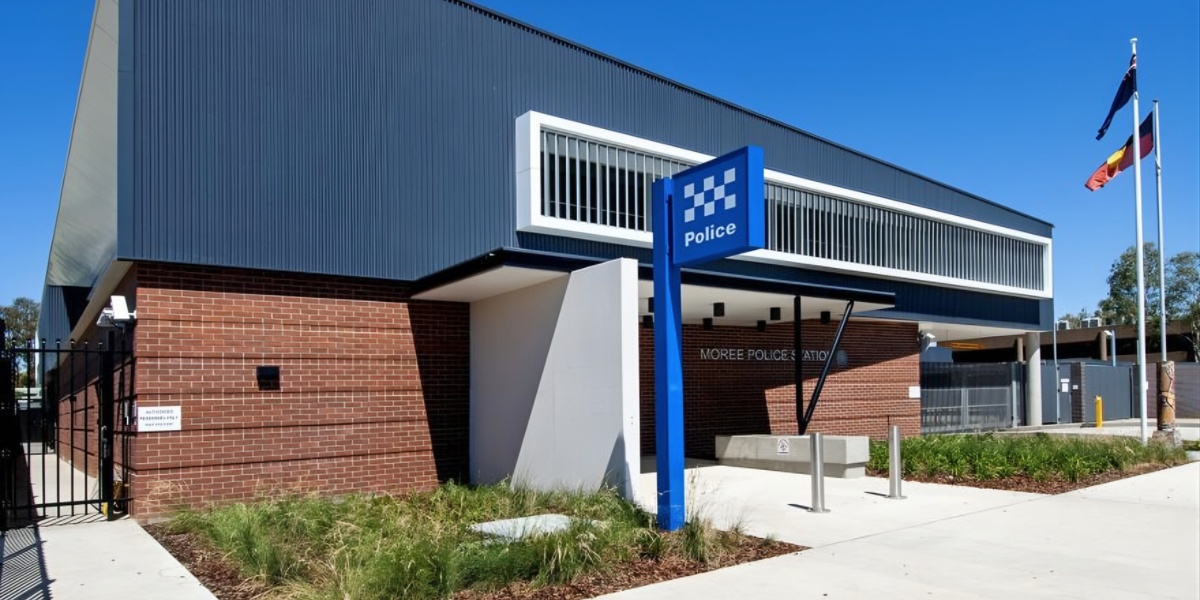
Of the recruits graduating this week, 65 will be deployed across the Northern Region, which includes key New England commands such as Armidale, Tamworth, Inverell and Moree. Another 30 officers will be stationed in the Western Region.
The new probationary constables begin their 12-month on-the-job training program from Monday, with a focus on general duties policing. The class, comprising 248 men and 93 women aged between 19 and 54, also includes 14 First Nations officers and individuals born in 19 different countries.
Some recruits come straight from completing the HSC, while others bring prior experience from trades such as plumbing, mechanics, and hospitality – part of what NSW Police Minister Yasmin Catley called a strength of the modern force.
“Policing is an incredibly rewarding yet challenging career and each one of today’s 341 recruits is stepping up with integrity, professionalism and dedication,” Minister Catley said.
“Class 367 is proof that the Minns Labor Government’s reforms to rebuild the NSWPF are working. We are paying recruits to train, offering pathways to serve in or near their regional hometown after attesting and backing them every step of the way – there’s never been a better time to join the NSW Police Force.”
The government’s “Be a Cop in Your Hometown” initiative – launched as part of a broader regional policing strategy – is proving popular, with 50 graduates from regional communities opting to return home to serve. This is seen as a key step in stabilising regional police staffing after more than a decade of workforce challenges.
NSW Police Commissioner Mal Lanyon said the latest graduating class brings the total number of recruits for the year past 1,000, describing it as a major milestone for the force.
“The newest class of probationary officers represents the next generation of policing in NSW, and I have every confidence in their ability to serve our communities with professionalism and integrity,” Commissioner Lanyon said.
“Recruitment at this scale means we can meet the needs of a growing state, boost our frontline services, and uphold the trust and safety of communities across NSW.”
The State Government has been vocal in contrasting its approach to police resourcing with that of the former Coalition Government, which it accuses of neglecting the force and driving attrition through an “unfair wages cap”.
Since introducing a “once-in-a-generation” pay rise for police officers in November 2024, the government claims more than 1,255 new recruits have entered the force – more than double the number from the previous 12-month period.
Other initiatives aimed at rebuilding police ranks include:
- A new scheme paying recruits during training, which has driven a 70% surge in applications;
- The Professional Mobility Program, targeting experienced officers from interstate and New Zealand;
- A Cadet Traineeship Program, creating a pathway into the force for school-leavers; and
- The Health, Safety and Wellbeing Command, aimed at supporting long-term careers in policing.
While the government concedes more work is needed, particularly in retaining experienced officers and addressing response times in regional areas, it is positioning the growing recruit numbers as a sign of sustained momentum.
Policing in regions like New England, where crime rates are often compounded by long travel distances and staffing shortages, has been a persistent concern for local communities. The arrival of additional officers is expected to ease some of those pressures, though police unions and local MPs have previously warned that investment in infrastructure and housing is also needed to ensure rural postings are viable long-term.
Class 367’s graduation follows concerns raised earlier this year about dwindling numbers of experienced officers, particularly in remote communities. The government maintains that its combination of incentives and recruitment pipeline reforms is aimed squarely at addressing that shortfall.
As the newest recruits take up their first assignments this week, police commands across New England will be watching closely to see whether the momentum can be sustained, and whether communities begin to feel the impact on the ground.
Like what you’re reading? Support New England Times by making a small contribution today and help us keep delivering local news paywall-free. Donate now