

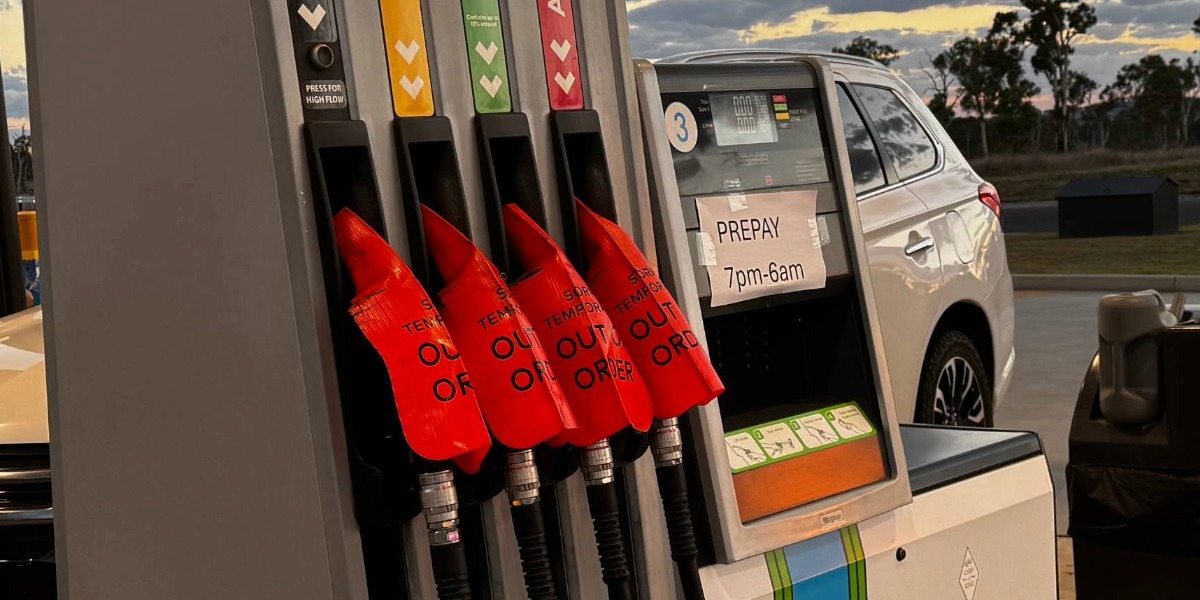
Action is finally being taken to deal with the fuel crisis, with the competition watchdog launching an enforcement investigation into major suppliers role in supply disruptions and alleged anti-competitive conduct impacting regional communities.
The Australian Competition and Consumer Commission has confirmed it is investigating Ampol, BP, Mobil and Viva Energy following reports diesel is not reaching independent wholesalers and distributors servicing rural and regional Australia.
The move comes as communities across the New England continue to report tightening supply, echoing concerns raised at last week’s roundtable, where industry leaders including local independent distributor Transwest Fuels and NSW Farmers warned distribution failures, not just global prices, were driving the crisis on the ground.
ACCC Chair Gina Cass-Gottlieb said the investigation was urgent and unusually public due to the scale of concern.
“The ACCC is closely scrutinising all fuel markets during this period, and we have received reports of alleged anti-competitive behaviour,” she said.
“It is not our usual practice to publicly announce investigations, but given the significance of the issue, the ACCC is confirming this enforcement investigation.”
The investigation will examine whether major suppliers have restricted access to diesel for smaller distributors, a critical link in the supply chain for regional Australia.
“We recognise the widespread concerns held by consumers, businesses and farmers about fuel pricing and supply issues arising during the Middle Eastern conflict,” Ms Cass-Gottlieb said.
“It is important that fuel market participants and the community know that we are closely watching market conduct in relation to all fuels and we will not hesitate to act swiftly to enforce Australia’s competition and consumer laws.”
She cautioned the investigation remains in its early stages.
“Our investigation is at a preliminary stage, and therefore we are yet to form a view about these matters.”
The probe lands as national cabinet meets today to respond to worsening fuel shortages and price shocks triggered by the US–Israel war on Iran.
Prime Minister Anthony Albanese has flagged the appointment of a national “fuel tsar” to oversee supply distribution, as the government attempts to direct fuel to the hardest-hit regions.
“The key here is to make sure that we get the fuel to where it is needed,” Mr Albanese said.
“In some parts of Australia it’s available, but in other parts there are shortages.”
An agreement has also been reached between Energy Minister Chris Bowen and fuel companies to release additional petrol and diesel into regional markets, although details are yet to be formally announced.
The deal follows industry pressure, including from the Transwest Fuels roundtable, where operators described a system under strain, with inconsistent supply, surging prices and limited transparency.
Transport Minister Catherine King convened the meeting that helped broker the supply agreement, while the government has also moved to temporarily ease fuel quality standards to boost available stock.
Agriculture Minister Julie Collins said the government had identified priority regions for fuel deliveries, though the full scale of the shortages is still being assessed.
“We’ve got a clear picture at the moment about where we think it needs to go,” she said.
State leaders, however, are demanding faster and more decisive action.
NSW Premier Chris Minns said the crisis, particularly around diesel, required urgent intervention to protect freight networks and agricultural production.
What do you need to know to get through the fuel crunch?
Tell us what information you need to make it through the fuel shortage crisis. Suggest a story here. Read other fuel crunch stories here.