

Local councils across the New England are preparing for the next phase of single use plastic phase outs, as the NSW Government moves to further reduce plastic waste under the NSW Plastics Plan 2.0.
Plastic remains one of NSW’s biggest environmental challenges, accounting for around 74 per cent of litter in waterways, with less than 16 per cent of plastic waste recycled. Without action, Greater Sydney could run out of landfill space by 2030, increasing pressure on councils, households, and businesses.
The NSW Plastics Plan 2.0 includes the phase out of plastic bread tags and pizza savers from late 2027, non-compostable fruit and vegetable stickers by 2030, and small condiment containers such as soy sauce fish bottles by 2030. It will also require tethered lids on plastic bottles by 2030 and the redesign of takeaway food containers to ensure they can be recycled safely.
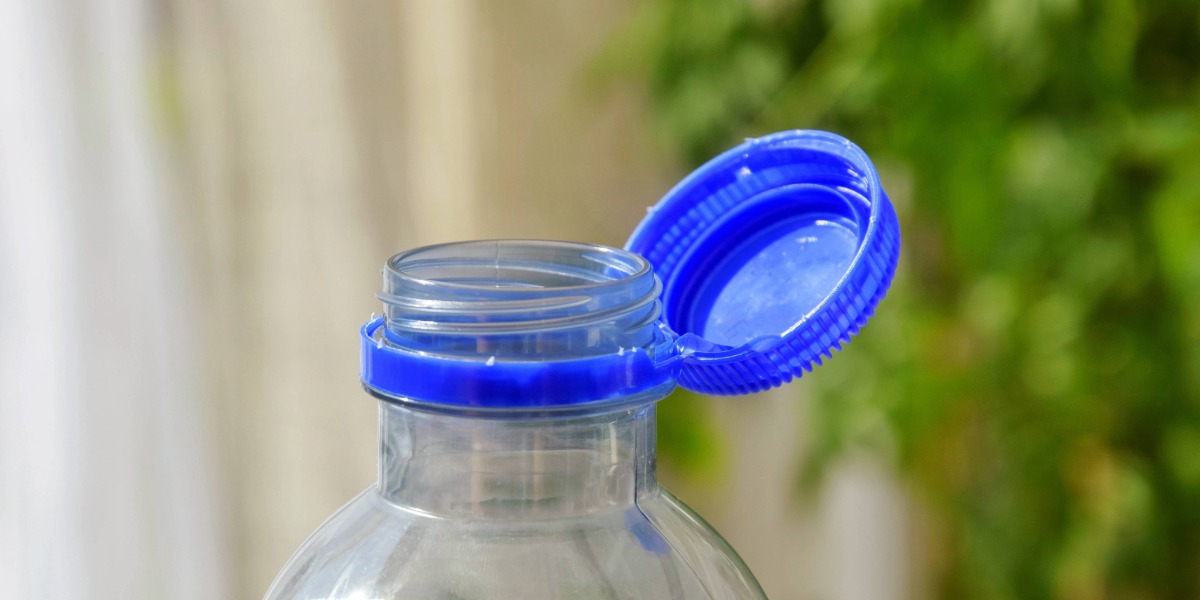
However, one of the reforms – bottle lids being tethered – will present a challenge for some regional councils due to aging and smaller recycling systems. Several local councils currently have bottle lids on the list of items they do not accept for recycling. Under the NSW Plastics Plan 2.0, plastic lids will need to be tethered on plastic beverage bottles at or below 1.25L by 2030.
An Armidale Regional Council spokesperson said councils supported initiatives that addressed waste at its source.
“In moving towards a circular economy, we welcome initiatives that put the onus back onto good product design to minimise the amount of time waste that cannot be recycled and ultimately ends up in landfill,” the spokesperson said.
“Some plastic items are too small to be recycled in our current systems so phasing these out or ensuring they are not loose will provide opportunities for recycling and reduce litter in the environment.”
The spokesperson said meeting NSW waste reduction and resource recovery targets required a whole of system approach.
“To achieve the NSW waste reduction and resource recovery targets, everything from product design, material selection, repairability of items, purchasing choices and available recycling infrastructure plays a role,” they said.
“Whilst councils can do their best to manage the waste they receive and reduce what goes to landfill, ultimately, we must look at the source of the waste and find better alternatives to prevent the waste from being generated in the first place.”
A Tamworth Regional Council spokesperson said the recommendations shifted responsibility for change to commercial operators.
“The State Government recommendations shift the responsibility to change plastic use to commercial operators including manufacturers and business,” the spokesperson said.
“At the recovery end of the cycle, Tamworth Regional Council believe we are equipped to adapt to the improvements in recyclability of food containers. From a waste processing perspective, more community understanding is needed around food separation and food contamination of recyclable packaging.”
Council also called for support across the supply chain.
“Council encourages the State Government to support all business sectors across the supply chain to make sustainable choices and provide the relevant education and resources to implement the change and compliance,” the TRC spokesperson said.
A spokesperson from the NSW Environment Protection Authority (EPA) said plastic beverage lids make up 5.3% of litter found in our environment.
“Tethered lids are already used in Europe and are a simple and effective way to prevent this easily littered item from entering our environment by keeping the lid attached to the bottle while it is used.”
“We’re also introducing design standards to ensure that bottles with tethered lids can be recycled through recycling systems available in NSW, including both through the NSW container deposit scheme, which encourages bottles to be returned with lids on, and local recycling services offered by councils.”
The NSW Government says it will continue to work with industry, small businesses, manufacturers, retailers, and councils as they implement the NSW Plastics Plan 2.0, including providing guidance on phase-outs and other new requirements as needed.
The actions in the NSW Plastics Plan 2.0 will also encourage new investment in recycling infrastructure and reusable products, with the Government working closely with industry to support the transition and minimise disruption.
Minister for the Environment Penny Sharpe said the plan balanced environmental protection with industry transition.
“Our plan has carefully considered actions we need to take to protect the environment and human health, while also considering how we can support industry to transition to recyclable or reusable alternatives,” Ms Sharpe said.
Advertising with New England Times is a cost effective and reliable way to reach New England locals who are interested and engaged. Find out more here.